Notice: تابع WP_Block_Type_Registry::register به طورنادرست فراخوانی شد. نامهای نوع بلوک نباید حروف بزرگ داشته باشند. لطفاً برای اطلاعات بیشتر، اشکال زدایی در وردپرس را مشاهده کنید. (این پیام در نگارش 5.0.0 افزوده شده است.) in /home/ethicsho/public_html/wp-includes/functions.php on line 5313
Warning: Use of undefined constant TDC_PATH_LEGACY - assumed 'TDC_PATH_LEGACY' (this will throw an Error in a future version of PHP) in /home/ethicsho/public_html/wp-content/plugins/td-composer/td-composer.php on line 109
Warning: Use of undefined constant TDSP_THEME_PATH - assumed 'TDSP_THEME_PATH' (this will throw an Error in a future version of PHP) in /home/ethicsho/public_html/wp-content/plugins/td-composer/td-composer.php on line 113 بایگانیهای 304 - خانه اخلاق پژوهان جوان Notice: Trying to access array offset on value of type bool in /home/ethicsho/public_html/wp-content/plugins/wp-ulike/inc/general-functions.php on line 807
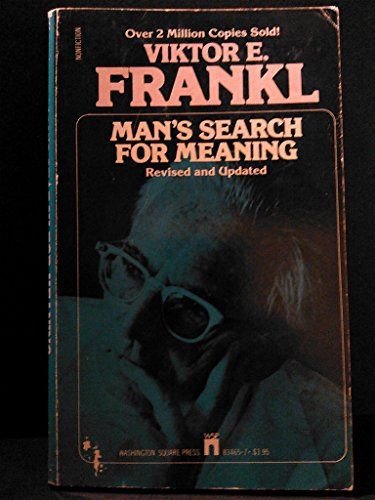
A prominent Viennese psychiatrist recounts his experiences in a Nazi concentration camp that led to the development of his existentialist approach to psychotherapy
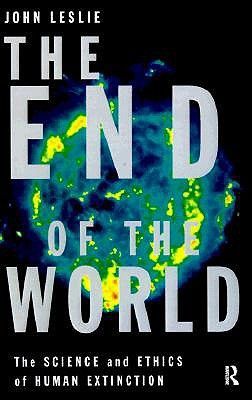
Are we in imminent danger of extinction? Yes, we probably are, argues John Leslie in his chilling account of the dangers facing the human race as we approach the second millenium.The End of the World is a sobering assessment of the many disasters that scientists have predicted and speculated on as leading to apocalypse. In the first comprehensive survey, potential catastrophes – ranging from deadly diseases to high-energy physics experiments – are explored to help us understand the risks.One of the greatest threats facing humankind, however, is the insurmountable fact that we are a relatively young species, a risk which is at the heart of the ‘Doomsday Argument’. This argument, if correct, makes the dangers we face more serious than we could have ever imagined. This more than anything makes the arrogance and ignorance of politicians, and indeed philosophers, so disturbing as they continue to ignore the manifest dangers facing future generations.
The potential of modern medicine in a pluralistic world leads to the potential for moral conflict. The most prevalent bioethical theories often either overestimate or underestimate the amount of shared moral belief that can be used to address those conflicts. This work presents a means for taking seriously the pluralism in the modern world while recognizing the likelihood of moral acquaintance between persons with differing views. It criticizes moral theories that overstate the extent of the problem of pluralism as well as those that imply too much agreement between reasonable moral persons, yet it locates a means for the resolution of many moral conflicts in moral acquaintanceship. Drawing from the work of H. Tristram Engelhardt, Jr., casuists and principle-based theorists, and Erich Loewy and Kevin W. Wildes s initial development of the concept of moral acquaintanceship, Moral Acquaintances and Moral Decisions is philosophically indepth work with direct applications for decisionmaking in real medical settings. A work in moral theory as well as a source of real world guidance, clinically oriented bioethics professionals as well as students of bioethical theory should find the theory of moral acquaintanceship provided here important to their work.
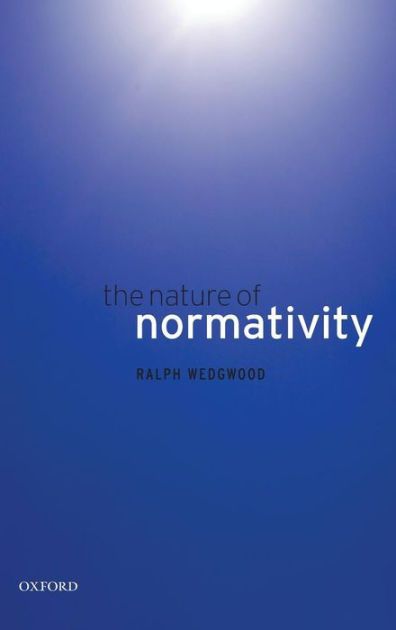
The Nature of Normativity presents a complete theory about the nature of normative thought –that is, the sort of thought that is concerned with what ought to be the case, or what we ought to do or think. Ralph Wedgwood defends a kind of realism about the normative, according to which normative truths or facts are genuinely part of reality. Anti-realists often complain that realism gives rise to demands for explanation that it cannot adequately meet. What is the nature of these normative facts? How could we ever know them or even refer to them in language or thought? Wedgwood accepts that any adequate version of realism must answer these explanatory demands. However, he seeks to show that these demands can be met — in large part by relying on a version of the idea, which has been much discussed in recent work in the philosophy of mind, that the intentional is normative — that is, that there is no way of explaining the nature of the various sorts of mental states that have intentional or representational content (such as beliefs, judgments, desires, decisions, and so on), without stating normative facts. On the basis of this idea, Wedgwood provides a detailed systematic theory that deals with the following three areas: the meaning of statements about what ought to be; the nature of the facts stated by these statements; and what justifies us in holding beliefs about what ought to be.
ما از اخلاق چه انتظاری داریم؟ این سوال شاید تاحدودی برای عموم مردم و یا متخصصان این رشته قابل پاسخ باشد؛ اینکه خوب بودن را به ما بیاموزد و در تنظیم روابط فردی م...

جشن کتاب تهران به ایستگاه سی و یکم رسیده است. حال و احوال نشر کتاب خوب نیست و باید فرهنگدوستان را به خرید و هدیه دادن کتاب ترغیب نمود. خانه اخلاقپژوهان جوان ب...

بنیاد کتابهای اخلاق اسلامی عمدتا پالایش جان از آلودگیها و آراستن آن به زیباییها است. اندیشه محوری این قبیل کتابها آن است که انسان فعلی آنی نیست که باید باشد...

-
0 Comments