Notice: تابع WP_Block_Type_Registry::register به طورنادرست فراخوانی شد. نامهای نوع بلوک نباید حروف بزرگ داشته باشند. لطفاً برای اطلاعات بیشتر، اشکال زدایی در وردپرس را مشاهده کنید. (این پیام در نگارش 5.0.0 افزوده شده است.) in /home/ethicsho/public_html/wp-includes/functions.php on line 5313
Warning: Use of undefined constant TDC_PATH_LEGACY - assumed 'TDC_PATH_LEGACY' (this will throw an Error in a future version of PHP) in /home/ethicsho/public_html/wp-content/plugins/td-composer/td-composer.php on line 109
Warning: Use of undefined constant TDSP_THEME_PATH - assumed 'TDSP_THEME_PATH' (this will throw an Error in a future version of PHP) in /home/ethicsho/public_html/wp-content/plugins/td-composer/td-composer.php on line 113 بایگانیهای 2875 - خانه اخلاق پژوهان جوان Notice: Trying to access array offset on value of type bool in /home/ethicsho/public_html/wp-content/plugins/wp-ulike/inc/general-functions.php on line 807
Undermining the fundamental place of freedom, equality and universal reason, Nietzsche’s philosophy recognises that we occupy multiple and contradictory subject positions within social life. With no metaphysical realm of reason, no divine inspiration for morality, and no transcendental basis for human essence, we are left with the embodied, reflective and creative self as a source of ethics. From this perspective arises Nietzsche’s bermensch, a continuous process of overcoming and becoming, interpreted as a metaphor for education that honours difference and incorporates otherness. The book explores the development of Nietzsche’s philosophy and its application to the problems of education, disturbing traditional liberal and democratic accounts of the relationship between individual and society. Threaded throughout is the author’s critique of the way educational institutions are driven by political and economic considerations, explored through notions of autonomy and subjectivity. The book is suitable for graduate students and academics wanting to engage either with postmodern interpretations of ethics in education, or with political philosophy in relation to development of self and community.
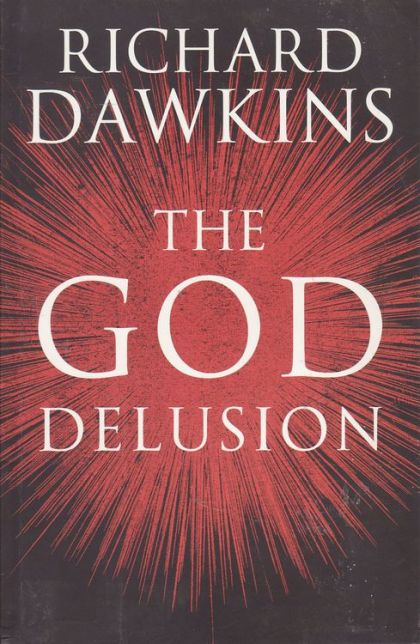
“A preeminent scientist – and the world’s most prominent atheist – asserts the irrationality of belief in God and the grievous harm religion has inflicted on society, from the Crusades to 9/11.”–BOOK JACKET.
“This collection offers a comprehensive overview of stakeholding and critically explores the ethical foundations of the stakeholder society. Keith Dowding, Jurgen De Wispelaere and Stuart White offer a comprehensive introduction to the ideas underlying stakeholding and explaining the modern debates. The contributors, including some of the leading worldwide proponents in the field, provide arguments for and against the specific types of stakeholding – capital grants versus universal basic income – and critically explore the ethical foundations of the stakeholder society.”–BOOK JACKET.
“One of the great historic controversies in philosophy,” according to Bertrand Russell, is that between empiricists–“best represented by the British philosophers, Locke, Berkeley, and Hume”–and rationalists. This book sets the empiricists in their contemporary and cultural context, examines their various approaches to philosophy, and highlights the significance of their ideas to 20th-century thinking. By focusing on what the “empiricists” actually have to say, rather than on their classification as such, Woolhouse incidentally shows how unreliable these conventional labels can be.
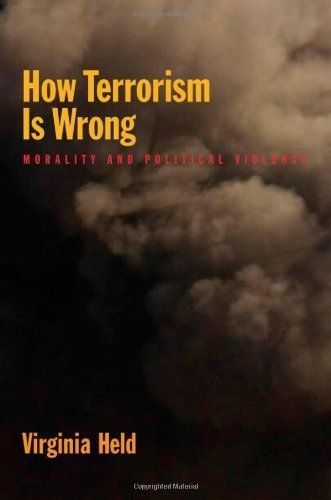
What is terrorism? How is it different from other kinds of political violence? Why exactly is it wrong? Why is war often thought capable of being justified? On what grounds should we judge when the use of violence is morally acceptable? It is often thought that using violence to uphold and enforce the rule of law can be justified, that violence used in self-defense is acceptable, and that some liberation movements can be excused for using violence–but that terrorism is always wrong. How persuasive are these arguments, and on what bases should we judge them? How Terrorism is Wrong collects articles by Virginia Held along with much new material. It offers a moral assessment of various forms of political violence, with terrorism the focus of much of the discussion. Here and throughout, Held examines possible causes discussed, including the connection between terrorism and humiliation. Held also considers military intervention, conventional war, intervention to protect human rights, violence to prevent political change, and the status and requirements of international law. She looks at the cases of Rwanda, Kosovo, Iraq, and the Israeli/Palestinian conflict. Finally, she explores questions of who has legitimate authority to engage in justifiable uses of violence, whether groups can be responsible for ethnic violence, and how the media should cover terrorism. Held discusses appropriate ways of engaging in moral evaluation and improving our moral recommendations concerning the uses of violence. Just war theory has been developed for violence between the military forces of conflicting states, but much contemporary political violence is not of this kind. Held considers the guidance offered by such traditional moral theories as Kantian ethics and utilitarianism, and also examines what the newer approach of the ethics of care can contribute to our evaluations of violence. Care is obviously antithetical to violence since violence destroys what care takes pains to build; but the ethics of care recognizes that violence is not likely to disappear from human affairs, and can offer realistic understandings of how best to reduce it.
ما از اخلاق چه انتظاری داریم؟ این سوال شاید تاحدودی برای عموم مردم و یا متخصصان این رشته قابل پاسخ باشد؛ اینکه خوب بودن را به ما بیاموزد و در تنظیم روابط فردی م...

جشن کتاب تهران به ایستگاه سی و یکم رسیده است. حال و احوال نشر کتاب خوب نیست و باید فرهنگدوستان را به خرید و هدیه دادن کتاب ترغیب نمود. خانه اخلاقپژوهان جوان ب...

بنیاد کتابهای اخلاق اسلامی عمدتا پالایش جان از آلودگیها و آراستن آن به زیباییها است. اندیشه محوری این قبیل کتابها آن است که انسان فعلی آنی نیست که باید باشد...

-
0 Comments