Notice: تابع WP_Block_Type_Registry::register به طورنادرست فراخوانی شد. نامهای نوع بلوک نباید حروف بزرگ داشته باشند. لطفاً برای اطلاعات بیشتر، اشکال زدایی در وردپرس را مشاهده کنید. (این پیام در نگارش 5.0.0 افزوده شده است.) in /home/ethicsho/public_html/wp-includes/functions.php on line 5313
Warning: Use of undefined constant TDC_PATH_LEGACY - assumed 'TDC_PATH_LEGACY' (this will throw an Error in a future version of PHP) in /home/ethicsho/public_html/wp-content/plugins/td-composer/td-composer.php on line 109
Warning: Use of undefined constant TDSP_THEME_PATH - assumed 'TDSP_THEME_PATH' (this will throw an Error in a future version of PHP) in /home/ethicsho/public_html/wp-content/plugins/td-composer/td-composer.php on line 113 بایگانیهای 2832 - خانه اخلاق پژوهان جوان Notice: Trying to access array offset on value of type bool in /home/ethicsho/public_html/wp-content/plugins/wp-ulike/inc/general-functions.php on line 807
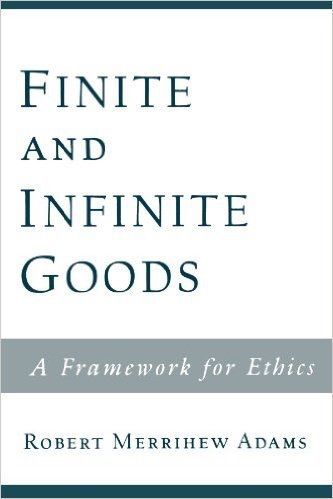
Renowned scholar Robert Adams explores the relation between religion and ethics through a comprehensive philosophical account of a theistically-based framework for ethics. Adams’ framework begins with the good rather than the right, and with excellence rather than usefulness. He argues that loving the excellent, of which adoring God is a clear example, is the most fundamental aspect of a life well lived. Developing his original and detailed theory, Adams contends that devotion, the sacred, grace, martyrdom, worship, vocation, faith, and other concepts drawn from religious ethics have been sorely overlooked in moral philosophy and can enrich the texture of ethical thought.
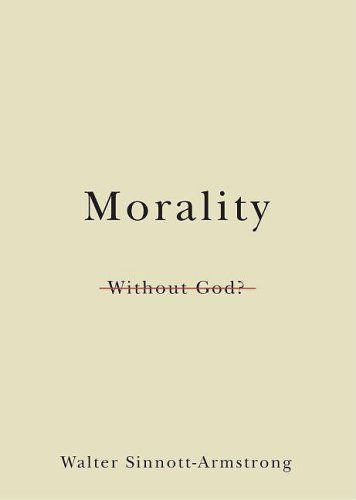
Some argue that atheism must be false, since without God, no values are possible, and thus “everything is permitted.” Walter Sinnott-Armstrong argues that God is not only not essential to morality, but that our moral behavior should be utterly independent of religion. He attacks several core ideas: that atheists are inherently immoral people; that any society will sink into chaos if it is becomes too secular; that without morality, we have no reason to be moral; that absolute moral standards require the existence of God; and that without religion, we simply couldn’t know what is wrong and what is right. Sinnott-Armstrong brings to bear convincing examples and data, as well as a lucid, elegant, and easy to understand writing style. This book should fit well with the debates raging over issues like evolution and intelligent design, atheism, and religion and public life as an example of a pithy, tightly-constructed argument on an issue of great social importance.
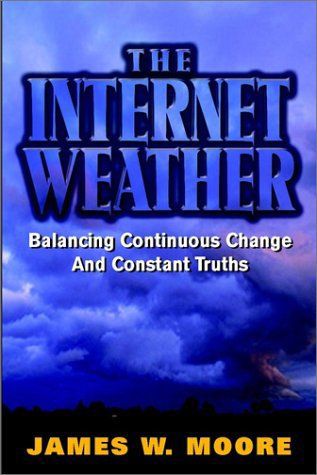
What will work be like in the future? Futurists often try to answer this question by looking at the effects of the Internet and technology, examining how they have changed our personal and professional lives. In The Internet Weather, instead of studying all the changes occurring in our world, James Moore looks at all the things that will stay the same. Technology may lead us to more rapid communication, more voluminous information, and a world without the privacy we’ve come to expect, but it will also force us to think in new ways about old values. Most likely, argues Moore, we will not abandon age-old ideals for new ones, but reorganize human society around the same old ideals we’ve always held, accommodating and incorporating new technologies into new ways of living under the same, long-held beliefs. Whatever happens in the fast-paced world of e-commerce and life lived online, we will never have more than twenty-four hours in a day. We will always value our privacy and seek trustworthiness and truth from the people with whom we do business. Understanding this can help managers make positive change in the way they manage and, in so doing, retain employees and improve their businesses. Based on his theory of these four vital elements–time, trust, truth, and privacy–Moore predicts that corporations will reorganize themselves according to the doctrine of “principled agility”; anonymity will become the ultimate luxury good; alter ego roles will become significant career choices. Our human values will not change, but our behaviors to enhance these values will change dramatically. Unless we learn that essential lesson now, our businesses and our personal lives will suffer sooner or later. The Internet Weather questions common assumptions about the New Economy and takes an often contrary–but always compelling–point of view about not only the ways in which techno-logy will change our lives, but also the ways in which it will improve our lives. With insights gleaned from more than twenty-five years of business experience, Moore offers advice for helping managers and employees focus their energy and attention on those issues that will be most important in the near future. Insightful, well-reasoned, and visionary, this is a book that no business leader should be without–if they want to prepare for the continuous change and constant truths of the future.
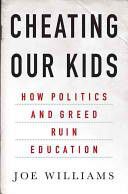
Journalist Joe Williams shows how parents can use consumer power to put children first, shining light on the special interests controlling our schools, where politics and pork infuse everything and our children’s education is compromised, . He argues that increased accountability and choice are necessary, and shows how the people can take back the education system, enhancing responsibility inherent in democracy. The solution is a new brand of hardball politics that demands competence from school leaders and shifts the power away from bureaucrats and union leaders to the people who have a the greatest reason to put kids first: concerned parents. With practical steps and uplifting examples of success, this is a manifesto to action.
ما از اخلاق چه انتظاری داریم؟ این سوال شاید تاحدودی برای عموم مردم و یا متخصصان این رشته قابل پاسخ باشد؛ اینکه خوب بودن را به ما بیاموزد و در تنظیم روابط فردی م...

جشن کتاب تهران به ایستگاه سی و یکم رسیده است. حال و احوال نشر کتاب خوب نیست و باید فرهنگدوستان را به خرید و هدیه دادن کتاب ترغیب نمود. خانه اخلاقپژوهان جوان ب...

بنیاد کتابهای اخلاق اسلامی عمدتا پالایش جان از آلودگیها و آراستن آن به زیباییها است. اندیشه محوری این قبیل کتابها آن است که انسان فعلی آنی نیست که باید باشد...

-
0 Comments