Notice: تابع WP_Block_Type_Registry::register به طورنادرست فراخوانی شد. نامهای نوع بلوک نباید حروف بزرگ داشته باشند. لطفاً برای اطلاعات بیشتر، اشکال زدایی در وردپرس را مشاهده کنید. (این پیام در نگارش 5.0.0 افزوده شده است.) in /home/ethicsho/public_html/wp-includes/functions.php on line 5313
Warning: Use of undefined constant TDC_PATH_LEGACY - assumed 'TDC_PATH_LEGACY' (this will throw an Error in a future version of PHP) in /home/ethicsho/public_html/wp-content/plugins/td-composer/td-composer.php on line 109
Warning: Use of undefined constant TDSP_THEME_PATH - assumed 'TDSP_THEME_PATH' (this will throw an Error in a future version of PHP) in /home/ethicsho/public_html/wp-content/plugins/td-composer/td-composer.php on line 113 بایگانیهای 1911 - خانه اخلاق پژوهان جوان Notice: Trying to access array offset on value of type bool in /home/ethicsho/public_html/wp-content/plugins/wp-ulike/inc/general-functions.php on line 807
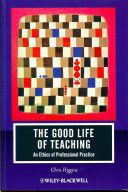
The Good Life of Teaching extends the recent revival of virtue ethics to professional ethics and the philosophy of teaching. It connects long-standing philosophical questions about work and human growth to questions about teacher motivation, identity, and development.Makes a significant contribution to the philosophy of teaching and also offers new insights into virtue theory and professional ethicsOffers fresh and detailed readings of major figures in ethics, including Alasdair MacIntyre, Charles Taylor, and Bernard Williams and the practical philosophies of Hannah Arendt, John Dewey and Hans-Georg GadamerProvides illustrations to assist the reader in visualizing major points, and integrates sources such as film, literature, and teaching memoirs to exemplify arguments in an engaging and accessible wayPresents a compelling vision of teaching as a reflective practice showing how this requires us to prepare teachers differently
In this exploration of new territory between ethics and epistemology, Miranda Fricker argues that there is a distinctively epistemic type of injustice, in which someone is wronged specifically in their capacity as a knower. Justice is one of the oldest and most central themes in philosophy, but in order to reveal the ethical dimension of our epistemic practices the focus must shift to injustice. Fricker adjusts the philosophical lens so that we see through to the negative space that is epistemic injustice. The book explores two different types of epistemic injustice, each driven by a form of prejudice, and from this exploration comes a positive account of two corrective ethical-intellectual virtues. The characterization of these phenomena casts light on many issues, such as social power, prejudice, virtue, and the genealogy of knowledge, and it proposes a virtue epistemological account of testimony. In this ground-breaking book, the entanglements of reason and social power are traced in a new way, to reveal the different forms of epistemic injustice and their place in the broad pattern of social injustice.
In this important book, Dr. Laura Schlessinger shows men and women that they can have a Good Life no matter how Bad their Childhood. For each of us, there is a connection between our early family dynamics and experiences and our current attitudes and decisions. Many of the people Dr. Laura has helped did not realize how their histories impacted their adult lives, or how their choices in people, repetitive situations, and decisions — even their emotional reactions — were connected to those early negative experiences, playing a major role in their current unhappiness. For these people and millions like them, too much time is dedicated to repeating the ugly dynamics of childhood in a vain attempt to repair or cope with deep hurt and longings. Too often they use their emotional pain to control others or excuse their own inappropriate and destructive behaviors. Some turn to therapy, only to find themselves trapped in their self-pitying victim mode, robbed of optimism, confidence, and growth. Dr. Laura will help you realize that no matter what circumstances you came from or currently live in, you are ultimately responsible for how you react to them. The acceptance of this basic truth is the source of your power to secure the Good Life you long for. In her signature straightforward style, with real-life examples, Dr. Laura shows you what you will gain by not being satisfied with an identity as a victim, or even as a survivor — but striving to be a victor! In Bad Childhood — Good Life, Dr. Laura will guide you to accept the truth of the assaults on your psyche and soul, understand your unique coping style and how it impacts your daily thoughts and actions, and help you embrace a life of more peace and happiness. Bad Childhood — Good Life comes from a compassionate and personal place. Dr. Laura also reveals some of her own experiences with a difficult childhood and what efforts it took to attain a Good Life. She writes, “My resilience has paid off, and I’m doing the best I can with what I’ve got.” Now you can, too.
ما از اخلاق چه انتظاری داریم؟ این سوال شاید تاحدودی برای عموم مردم و یا متخصصان این رشته قابل پاسخ باشد؛ اینکه خوب بودن را به ما بیاموزد و در تنظیم روابط فردی م...

جشن کتاب تهران به ایستگاه سی و یکم رسیده است. حال و احوال نشر کتاب خوب نیست و باید فرهنگدوستان را به خرید و هدیه دادن کتاب ترغیب نمود. خانه اخلاقپژوهان جوان ب...

بنیاد کتابهای اخلاق اسلامی عمدتا پالایش جان از آلودگیها و آراستن آن به زیباییها است. اندیشه محوری این قبیل کتابها آن است که انسان فعلی آنی نیست که باید باشد...

-
0 Comments