Notice: تابع WP_Block_Type_Registry::register به طورنادرست فراخوانی شد. نامهای نوع بلوک نباید حروف بزرگ داشته باشند. لطفاً برای اطلاعات بیشتر، اشکال زدایی در وردپرس را مشاهده کنید. (این پیام در نگارش 5.0.0 افزوده شده است.) in /home/ethicsho/public_html/wp-includes/functions.php on line 5313
Warning: Use of undefined constant TDC_PATH_LEGACY - assumed 'TDC_PATH_LEGACY' (this will throw an Error in a future version of PHP) in /home/ethicsho/public_html/wp-content/plugins/td-composer/td-composer.php on line 109
Warning: Use of undefined constant TDSP_THEME_PATH - assumed 'TDSP_THEME_PATH' (this will throw an Error in a future version of PHP) in /home/ethicsho/public_html/wp-content/plugins/td-composer/td-composer.php on line 113 بایگانیهای 1726 - خانه اخلاق پژوهان جوان Notice: Trying to access array offset on value of type bool in /home/ethicsho/public_html/wp-content/plugins/wp-ulike/inc/general-functions.php on line 807
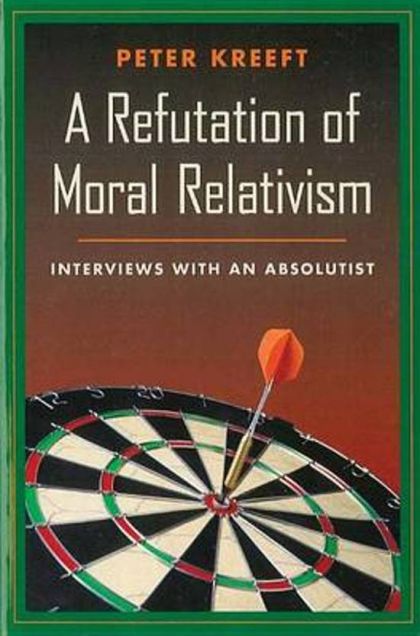
No issue is more fateful for civilization than moral relativism. History knows not one example of a successful society which repudiated moral absolutes. Yet most attacks on relativism have been either pragmatic (looking at its social consequences) or exhorting (preaching rather than proving), and philosophers’ arguments against it have been specialized, technical, and scholarly.In his typical unique writing style, Peter Kreeft lets an attractive, honest, and funny relativist interview a “Muslim fundamentalist” absolutist so as not to stack the dice personally for absolutism. In an engaging series of personal interviews, every conceivable argument the “sassy Black feminist” reporter Libby gives against absolutism is simply and clearly refuted, and none of the many arguments for moral absolutism is refuted.
Explore central questions in moral philosophy with HOW SHOULD WE LIVE? With a focus on the question of why or how we should be moral in a time plagued by relativism, this philosophy text covers the three most seminal ethical theories: utilitarianism, deontology, and virtue-based ethics. End of chapter discussion questions and bibliography assist you in contemplating the most central issues encountered in the text and in pursuing additional research.
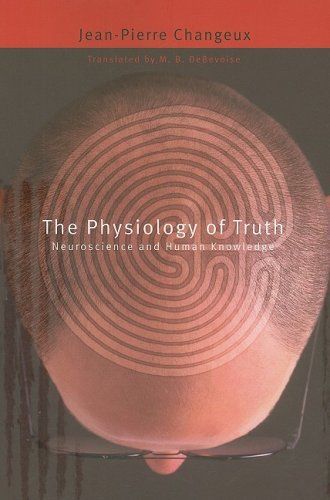
In this wide-ranging book, one of the boldest thinkers in modern neuroscience confronts an ancient philosophical problem: can we know the world as it really is?Drawing on provocative new findings about the psychophysiology of perception and judgment in both human and nonhuman primates, and also on the cultural history of science, Jean-Pierre Changeux makes a powerful case for the reality of scientific progress and argues that it forms the basis for a coherent and universal theory of human rights. On this view, belief in objective knowledge is not a mere ideological slogan or a nave confusion; it is a characteristic feature of human cognition throughout evolution, and the scientific method its most sophisticated embodiment. Seeking to reconcile science and humanism, Changeux holds that the capacity to recognize truths that are independent of subjective personal experience constitutes the foundation of a human civil society.
ما از اخلاق چه انتظاری داریم؟ این سوال شاید تاحدودی برای عموم مردم و یا متخصصان این رشته قابل پاسخ باشد؛ اینکه خوب بودن را به ما بیاموزد و در تنظیم روابط فردی م...

جشن کتاب تهران به ایستگاه سی و یکم رسیده است. حال و احوال نشر کتاب خوب نیست و باید فرهنگدوستان را به خرید و هدیه دادن کتاب ترغیب نمود. خانه اخلاقپژوهان جوان ب...

بنیاد کتابهای اخلاق اسلامی عمدتا پالایش جان از آلودگیها و آراستن آن به زیباییها است. اندیشه محوری این قبیل کتابها آن است که انسان فعلی آنی نیست که باید باشد...

-
0 Comments