Notice: تابع WP_Block_Type_Registry::register به طورنادرست فراخوانی شد. نامهای نوع بلوک نباید حروف بزرگ داشته باشند. لطفاً برای اطلاعات بیشتر، اشکال زدایی در وردپرس را مشاهده کنید. (این پیام در نگارش 5.0.0 افزوده شده است.) in /home/ethicsho/public_html/wp-includes/functions.php on line 5313
Warning: Use of undefined constant TDC_PATH_LEGACY - assumed 'TDC_PATH_LEGACY' (this will throw an Error in a future version of PHP) in /home/ethicsho/public_html/wp-content/plugins/td-composer/td-composer.php on line 109
Warning: Use of undefined constant TDSP_THEME_PATH - assumed 'TDSP_THEME_PATH' (this will throw an Error in a future version of PHP) in /home/ethicsho/public_html/wp-content/plugins/td-composer/td-composer.php on line 113 بایگانیهای 1541 - خانه اخلاق پژوهان جوان Notice: Trying to access array offset on value of type bool in /home/ethicsho/public_html/wp-content/plugins/wp-ulike/inc/general-functions.php on line 807
Zoos and animal rights seem utterly opposed to each other. In this controversial and timely book, Stephen Bostock argues that they can develop a more harmonious relationship. He examines the diverse ethical and technical issues involved, including human cruelty, human domination over animals, the well-being of wild animals outside their natural habitat, and the nature of wild and domestic animals. In his analysis, Bostock draws attention to the areas which give rise to misconceptions. This book explores the long history of zoos, as well as current philosophical debates, to argue for a conservational view of their role in the modern world. Anyone concerned with humanity’s relationship with other animals and the natural world will find this to be thought-provoking and rewarding reading.
InBeing and WorthAndrew Collier argues that beings both in the natural and human worlds have worth in themselves, whether we recognize it or not. He builds on recent work in critical realism to provide a reassessment of Spinoza’s philosophy of mind and ethics. Conclusions are developed with particular reference to environmental ethics.
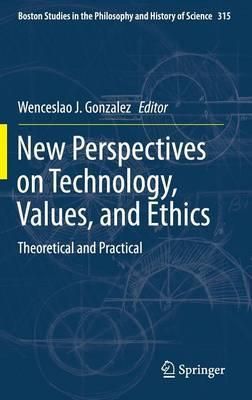
This book focuses on a key issue today: the role of values in technology, with special emphasis on ethical values. This topic involves the analysis of internal values in technology (as they affect objectives, processes, and outcomes) and the study of external values in technology (social, cultural, economic, ecological, etc.). These values — internal and external — are crucial to the decision making of engineers. In addition, they have increasing relevance for citizens concerned with the present and future state of technology, which gives society a leading position in technological issues. The book follows three main lines of research: 1) new perspectives on technology, values, and ethics; 2) rationality and responsibility in technology; and 3) technology and risks. This volume analyzes the two main sides involved here: the theoretical basis for the role of values in technology and a practical discussion on how to implement them in our society. Thus, the book is of interest for philosophers, engineers, academics of different fields, and policy-makers. The style used lends itself to broad audience.
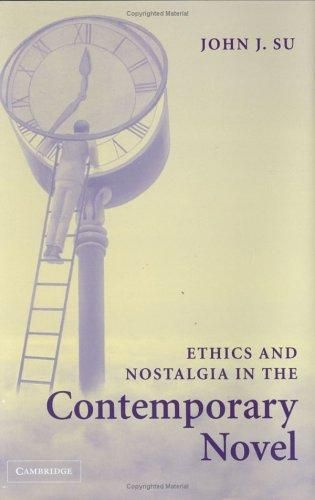
Images of loss and yearning played a crucial role in literary texts written in the later part of the twentieth century. Despite deep cultural differences, novelists from Africa, the Caribbean, Great Britain, and the United States share a sense that the economic, social, and political forces associated with late modernity have evoked widespread nostalgia within the communities in which they write. In this original and wide-ranging study, John J. Su explores the relationship between nostalgia and ethics in novels across the English-speaking world. He challenges the tendency in literary studies to characterise memory as positive and nostalgia as necessarily negative. Instead, this book argues that nostalgic fantasies are crucial to the ethical visions presented by topical novels. From Jean Rhys to Wole Soyinka and from V. S. Naipaul to Toni Morrison, Su identifies nostalgia as a central concern in the twentieth-century novel.
ما از اخلاق چه انتظاری داریم؟ این سوال شاید تاحدودی برای عموم مردم و یا متخصصان این رشته قابل پاسخ باشد؛ اینکه خوب بودن را به ما بیاموزد و در تنظیم روابط فردی م...

جشن کتاب تهران به ایستگاه سی و یکم رسیده است. حال و احوال نشر کتاب خوب نیست و باید فرهنگدوستان را به خرید و هدیه دادن کتاب ترغیب نمود. خانه اخلاقپژوهان جوان ب...

بنیاد کتابهای اخلاق اسلامی عمدتا پالایش جان از آلودگیها و آراستن آن به زیباییها است. اندیشه محوری این قبیل کتابها آن است که انسان فعلی آنی نیست که باید باشد...

-
0 Comments