Notice: تابع WP_Block_Type_Registry::register به طورنادرست فراخوانی شد. نامهای نوع بلوک نباید حروف بزرگ داشته باشند. لطفاً برای اطلاعات بیشتر، اشکال زدایی در وردپرس را مشاهده کنید. (این پیام در نگارش 5.0.0 افزوده شده است.) in /home/ethicsho/public_html/wp-includes/functions.php on line 5313
Warning: Use of undefined constant TDC_PATH_LEGACY - assumed 'TDC_PATH_LEGACY' (this will throw an Error in a future version of PHP) in /home/ethicsho/public_html/wp-content/plugins/td-composer/td-composer.php on line 109
Warning: Use of undefined constant TDSP_THEME_PATH - assumed 'TDSP_THEME_PATH' (this will throw an Error in a future version of PHP) in /home/ethicsho/public_html/wp-content/plugins/td-composer/td-composer.php on line 113 بایگانیهای 1536 - خانه اخلاق پژوهان جوان Notice: Trying to access array offset on value of type bool in /home/ethicsho/public_html/wp-content/plugins/wp-ulike/inc/general-functions.php on line 807
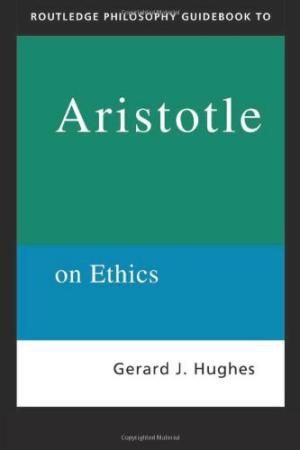
Hughes explains the key elements in Aristotle’sNichomachaean Ethicsterminology and highlights the controversy regarding the interpretations of his writings. He carefully explores each section of the text, and presents a detailed account of the problems Aristotle was trying to address. Hughes also examines the role that Aristotle’s ethics continue to play in contemporary moral philosophy by comparing and contrasting his views with those widely held today.
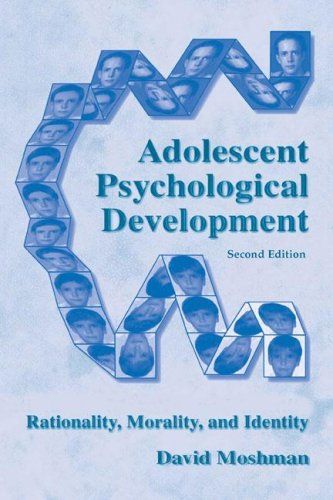
The huge and fractured literature on adolescence challenges both students and scholars. For students there is too much to learn and too little coherence across topics to enable deeper understanding. For scholars, there are few integrative visions to connect minitheories, research programs, and practical concerns. In the first edition of this advanced text, Moshman provided a constructivist synthesis of the literatures of cognitive, moral, and identity development, from the classic universalist theories of Piaget, Kohlberg, and Erikson through the more pluralist research and theorizing of the late 20th century. Without assuming any prior knowledge of psychology, he introduced and coordinated basic concepts to enable students to wrestle with the questions of concern to experts and help experts see those concerns from a larger perspective. In this thoroughly updated second edition, Moshman develops his conceptualization of advanced psychological development in adolescence and early adulthood and proposes–in a new chapter–a conception of rational moral identity as a developmental ideal. Unlike the prototypical changes of early childhood, advanced psychological development cannot be understood as progress through universal stages to a universally achieved state of maturity. Progress is possible, however, through rational processes of reflection, coordination, and social interaction.
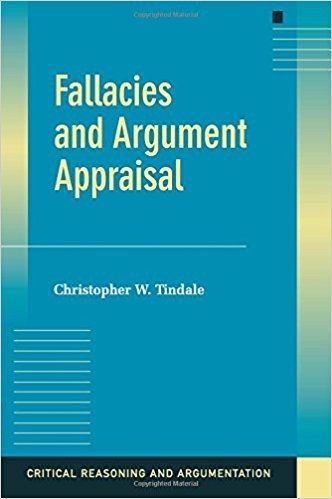
Fallacies and Argument Appraisal presents an introduction to the nature, identification, and causes of fallacious reasoning, along with key questions for evaluation. Drawing from the latest work on fallacies as well as some of the standard ideas that have remained relevant since Aristotle, Christopher Tindale investigates central cases of major fallacies in order to understand what has gone wrong and how this has occurred. Dispensing with the approach that simply assigns labels and brief descriptions of fallacies, Tindale provides fuller treatments that recognize the dialectical and rhetorical contexts in which fallacies arise. This volume analyzes major fallacies through accessible, everyday examples. Critical questions are developed for each fallacy to help the student identify them and provide considered evaluations.
ما از اخلاق چه انتظاری داریم؟ این سوال شاید تاحدودی برای عموم مردم و یا متخصصان این رشته قابل پاسخ باشد؛ اینکه خوب بودن را به ما بیاموزد و در تنظیم روابط فردی م...

جشن کتاب تهران به ایستگاه سی و یکم رسیده است. حال و احوال نشر کتاب خوب نیست و باید فرهنگدوستان را به خرید و هدیه دادن کتاب ترغیب نمود. خانه اخلاقپژوهان جوان ب...

بنیاد کتابهای اخلاق اسلامی عمدتا پالایش جان از آلودگیها و آراستن آن به زیباییها است. اندیشه محوری این قبیل کتابها آن است که انسان فعلی آنی نیست که باید باشد...

-
0 Comments