Notice: تابع WP_Block_Type_Registry::register به طورنادرست فراخوانی شد. نامهای نوع بلوک نباید حروف بزرگ داشته باشند. لطفاً برای اطلاعات بیشتر، اشکال زدایی در وردپرس را مشاهده کنید. (این پیام در نگارش 5.0.0 افزوده شده است.) in /home/ethicsho/public_html/wp-includes/functions.php on line 5313
Warning: Use of undefined constant TDC_PATH_LEGACY - assumed 'TDC_PATH_LEGACY' (this will throw an Error in a future version of PHP) in /home/ethicsho/public_html/wp-content/plugins/td-composer/td-composer.php on line 109
Warning: Use of undefined constant TDSP_THEME_PATH - assumed 'TDSP_THEME_PATH' (this will throw an Error in a future version of PHP) in /home/ethicsho/public_html/wp-content/plugins/td-composer/td-composer.php on line 113 بایگانیهای 616.85/88 - خانه اخلاق پژوهان جوان Notice: Trying to access array offset on value of type bool in /home/ethicsho/public_html/wp-content/plugins/wp-ulike/inc/general-functions.php on line 807
How do we know what is morally right or wrong, good or bad? There have been innumerable answers to this question in the history of philosophy. Most of these answers can be grouped under two major positions. Either moral experience is emotional, but then it must be subjective (sentimentalism); or it is objective, but then it must be rational (rationalism). This division is based on a dichotomy between reason and emotion. However, this dichotomy has long been rejected by many emotion-scholars. This book presents a new philosophical theory according to which we need intuitions and emotions in order to have objective moral knowledge, which is called affectual intuitionism. Affectual Intuitionism combines ethical intuitionism with a cognitive theory of emotions. This approach avoids a phenomenologically implausible rationalism as much as a morally problematic relativism, and it connects well with recent developments in moral psychology.
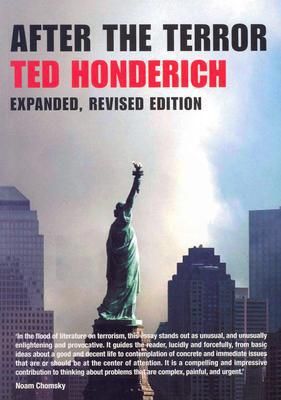
Ted Honderich investigates the morality of the September 11th attacks and what terrorism tells us about ourselves and our obligations. Did we have a responsibility for what took place? Did we respond to it as we should have? What are we to do now? After the Terrorinquires into the “natural fact” of morality and the worked-out moralities of philosophers. It reaches to the moral core of our lives.Honderich writes, “We can be held partly responsible for the 3,000 deaths at the twin towers and at the Pentagon. We are rightly to be held responsible along with the killers. We share the guilt. Those who condemn us have a reason to do so. Did we bring the killing at the twin towers on ourselves? Did we have it coming? Those offensive questions, and their offensive, but affirmative answer, do contain a truth.”
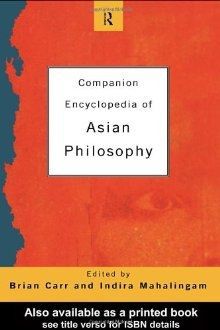
TheCompanion Encyclopedia of Asian Philosophyis a unique one-volume reference work which will make a broad range of richly varied philosophical, ethical and theological traditions accessible to a wide audience. TheEncyclopediais divided into 6 sections, each of which covers a specific tradition within Asian philosophy includingZoroastrianorPersian,Indian,Buddhist,Chinese,JapaneseandIslamic. Within each section the chapters cover such important areas as origins of the tradition, approaches to logic and language, positions on morals and society as well as histories of the lives of influential thinkers. In addition, the final chapter of each section provides unique coverage of current trends in each. The individual essays as well as the structure of this volume allow the reader to compare and contrast the philosophies of these cultures as well as understand the ways in which the cultures have shapedand been shaped by philosophical understanding. It is possible, for example, to relate the ways in which Buddhist philosophy has developed in India, Tibet, China, South-East Asia and Japan.
ما از اخلاق چه انتظاری داریم؟ این سوال شاید تاحدودی برای عموم مردم و یا متخصصان این رشته قابل پاسخ باشد؛ اینکه خوب بودن را به ما بیاموزد و در تنظیم روابط فردی م...

جشن کتاب تهران به ایستگاه سی و یکم رسیده است. حال و احوال نشر کتاب خوب نیست و باید فرهنگدوستان را به خرید و هدیه دادن کتاب ترغیب نمود. خانه اخلاقپژوهان جوان ب...

بنیاد کتابهای اخلاق اسلامی عمدتا پالایش جان از آلودگیها و آراستن آن به زیباییها است. اندیشه محوری این قبیل کتابها آن است که انسان فعلی آنی نیست که باید باشد...

-
0 Comments