Notice: تابع WP_Block_Type_Registry::register به طورنادرست فراخوانی شد. نامهای نوع بلوک نباید حروف بزرگ داشته باشند. لطفاً برای اطلاعات بیشتر، اشکال زدایی در وردپرس را مشاهده کنید. (این پیام در نگارش 5.0.0 افزوده شده است.) in /home/ethicsho/public_html/wp-includes/functions.php on line 5313
Warning: Use of undefined constant TDC_PATH_LEGACY - assumed 'TDC_PATH_LEGACY' (this will throw an Error in a future version of PHP) in /home/ethicsho/public_html/wp-content/plugins/td-composer/td-composer.php on line 109
Warning: Use of undefined constant TDSP_THEME_PATH - assumed 'TDSP_THEME_PATH' (this will throw an Error in a future version of PHP) in /home/ethicsho/public_html/wp-content/plugins/td-composer/td-composer.php on line 113 بایگانیهای 346.048209 - خانه اخلاق پژوهان جوان Notice: Trying to access array offset on value of type bool in /home/ethicsho/public_html/wp-content/plugins/wp-ulike/inc/general-functions.php on line 807
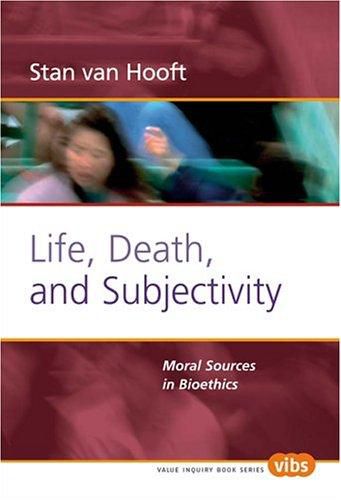
Issues in bioethics often turn, at least in part, on the law and regulatory requirements. Consisting of chapters that address particular bioethics topics from the lawa?s perspective, this fascinating book includes: an introduction to the American legal system papers identifying the principal ways in which the law influences discussions and decisions concerning each of the topics highlighted supplemental papers on certain areas that address the influence and status of the law in countries other than the United States. Covering traditional topics in bioethics, such as determinations of death and health care decisions for vulnerable groups, the text also explores emerging areas such as conflicts of interest in research, genetics, and privacy and confidentiality in the electronic age. Incisive and thought-provoking, this volume provides readers with a rich context for understanding the intersection between the law on bioethicsand the central issues in bioethics.
In this important study Nicholas Wolterstorff interprets and discusses the ethics of belief which Locke developed in the latter part of Book IV of his “Essay Concerning Human Understanding.” After lengthy discussion on the origin of ideas, the nature of language, and the nature of knowledge, Locke got around to arguing what he indicated in the opening Epistle to the Reader to be his overarching aim: how we ought to govern our belief, especially (though by no means only) on matters of religion and morality. Professor Wolterstorff shows that what above all placed this topic on Locke’s agenda was the collapse, in his day, of a once-unified moral and religious tradition in Europe into warring factions. Locke’s epistemology was thus a culturally and socially engaged one; it was his response to the cultural crisis of his day. Convinced also that of genuine knowledge we human beings have very little, Locke argued that instead of following tradition we ought to turn “to the things themselves” and let “Reason be your guide.” This view of Locke, in which centrality is given to the last book of the “Essay,” invites an interpretation of the origins of modern philosophy different from most of the current ones. Accordingly, after discussing Hume’s powerful attack on Locke’s recommended practice, Wolterstorff argues for Locke’s originality and discusses his contribution to the modernity of post-sixteenth-century philosophy.
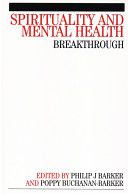
This text explores spirituality and its relationship to mental health. It emphasizes the need to look inward and listen to the messages which are channelled through our beings, rather than dismiss these experiences as some form of “disorder”.Part One considers spirituality as a reflection of the process of change. A brief overview of the contemporary history of spiritual inquiry in the field of mental health is provided.Part Two considers spirituality as a reflection of the process of meaning making.Part Three considers spirituality in terms of different forms of journey, including a consideration of the traditional concept of pilgrimage. Part Four considers the potential for healing that lies within even the most terrifying forms of madness. The book then concludes with a suggestion of the power of “waiting” and the rewards obtained by the careful, compassionate practice of life.
ما از اخلاق چه انتظاری داریم؟ این سوال شاید تاحدودی برای عموم مردم و یا متخصصان این رشته قابل پاسخ باشد؛ اینکه خوب بودن را به ما بیاموزد و در تنظیم روابط فردی م...

جشن کتاب تهران به ایستگاه سی و یکم رسیده است. حال و احوال نشر کتاب خوب نیست و باید فرهنگدوستان را به خرید و هدیه دادن کتاب ترغیب نمود. خانه اخلاقپژوهان جوان ب...

بنیاد کتابهای اخلاق اسلامی عمدتا پالایش جان از آلودگیها و آراستن آن به زیباییها است. اندیشه محوری این قبیل کتابها آن است که انسان فعلی آنی نیست که باید باشد...

-
0 Comments