Notice: تابع WP_Block_Type_Registry::register به طورنادرست فراخوانی شد. نامهای نوع بلوک نباید حروف بزرگ داشته باشند. لطفاً برای اطلاعات بیشتر، اشکال زدایی در وردپرس را مشاهده کنید. (این پیام در نگارش 5.0.0 افزوده شده است.) in /home/ethicsho/public_html/wp-includes/functions.php on line 5313
Warning: Use of undefined constant TDC_PATH_LEGACY - assumed 'TDC_PATH_LEGACY' (this will throw an Error in a future version of PHP) in /home/ethicsho/public_html/wp-content/plugins/td-composer/td-composer.php on line 109
Warning: Use of undefined constant TDSP_THEME_PATH - assumed 'TDSP_THEME_PATH' (this will throw an Error in a future version of PHP) in /home/ethicsho/public_html/wp-content/plugins/td-composer/td-composer.php on line 113 بایگانیهای 333.9516 - خانه اخلاق پژوهان جوان Notice: Trying to access array offset on value of type bool in /home/ethicsho/public_html/wp-content/plugins/wp-ulike/inc/general-functions.php on line 807
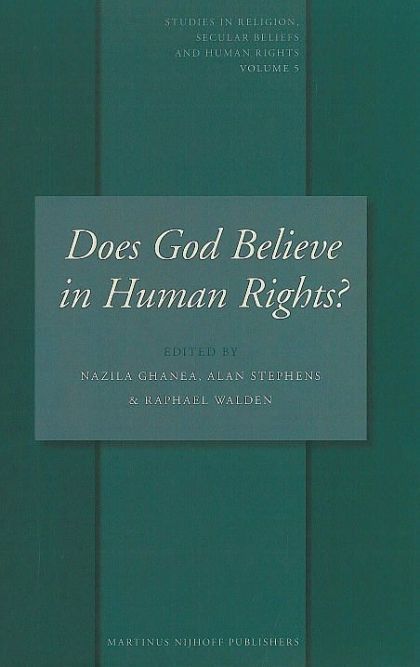
Where can religions find sources of legitimacy for human rights? How do, and how should, religious leaders and communities respond to human rights as defined in modern International Law? When religious precepts contradict human rights standards – for example in relation to freedom of expression or in relation to punishments – which should trump the other, and why? Can human rights and religious teachings be interpreted in a manner which brings reconciliation closer? Do the modern concept and system of human rights undermine the very vision of society that religions aim to impart? Is a reference to God in the discussion of human rights misplaced? Do human fallibilities with respect to interpretation, judicial reasoning and the understanding of human oneness and dignity provide the key to the undeniable and sometimes devastating conflicts that have arisen between, and within, religions and the human rights movement? In this volume, academics and lawyers tackle these most difficult questions head-on, with candour and creativity, and the collection is rendered unique by the further contributions of a remarkable range of other professionals, including senior religious leaders and representatives, journalists, diplomats and civil servants, both national and international. Most notably, the contributors do not shy away from the boldest question of all – summed up in the book’s title. The thoroughly edited and revised papers which make up this collection were originally prepared for a ground-breaking conference organised by the Clemens Nathan Research Centre, the University of London Institute of Commonwealth Studies and Martinus Nijhoff/Brill.
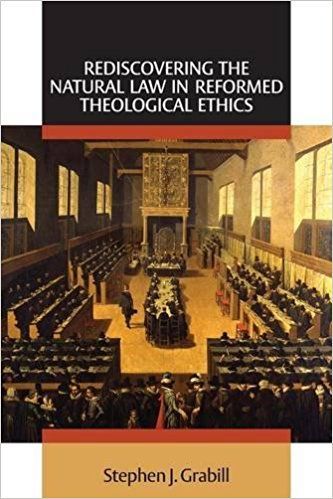
Is knowledge of right and wrong written on the human heart? Do people know God from the world around them? Does natural knowledge contribute to Christian doctrine? While these questions of natural theology and natural law have historically been part of theological reflection, twentieth-century Protestant theologians’ radical reliance on revelation has eclipsed this historic connection. Stephen Grabill attempts the treacherous task of reintegration of Reformed Protestant theology with natural law by appealing to reformation era theologians such as John Calvin, Peter Martyr Vermigli, Johannes Althusius, and Francis Turretin who carried over and refined the traditional understanding of this key doctrine. In Rediscovering the Natural Law in Reformed Theological Ethics Stephen Grabill calls Christian ethicists, theologians and laypersons to take another look at this vital element in the history of Christian ethical thought.
Humanitarian action has become a subject for serious debate in light of recent conflicts across the globe. The debacle in Somalia, the policy of intervention in Bosnia, and domestic conflicts in the West over intervention in Kosovo have given rise to many complex questions surrounding humanitarian action. The contributors to this volume provide a systematic overview of the issues involved from a wide range of viewpoints.The book examines the central problems of humanitarian action: the judicial question and the right to humanitarian assistance; the ethical framework of humanitarian action; the challenge of coordination of all the actors involved in humanitarian action; the recipients in the aid chain; the link between aid, development and emergency action; the role of the media; and a practical evaluation of Operation Lifeline Sudan.
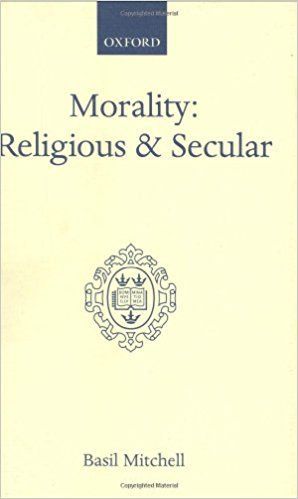
This book analyzes the moral confusion of contemporary society, relating rival conceptions of morality with a wide variety of views about the nature and predicament of man. Mitchell argues that many secular thinkers possess a traditional “Christian” conscience which they find hard to defend in terms of an entirely secular world-view, but which is more in line with a Christian understanding of man.
ما از اخلاق چه انتظاری داریم؟ این سوال شاید تاحدودی برای عموم مردم و یا متخصصان این رشته قابل پاسخ باشد؛ اینکه خوب بودن را به ما بیاموزد و در تنظیم روابط فردی م...

جشن کتاب تهران به ایستگاه سی و یکم رسیده است. حال و احوال نشر کتاب خوب نیست و باید فرهنگدوستان را به خرید و هدیه دادن کتاب ترغیب نمود. خانه اخلاقپژوهان جوان ب...

بنیاد کتابهای اخلاق اسلامی عمدتا پالایش جان از آلودگیها و آراستن آن به زیباییها است. اندیشه محوری این قبیل کتابها آن است که انسان فعلی آنی نیست که باید باشد...

-
0 Comments