Notice: تابع WP_Block_Type_Registry::register به طورنادرست فراخوانی شد. نامهای نوع بلوک نباید حروف بزرگ داشته باشند. لطفاً برای اطلاعات بیشتر، اشکال زدایی در وردپرس را مشاهده کنید. (این پیام در نگارش 5.0.0 افزوده شده است.) in /home/ethicsho/public_html/wp-includes/functions.php on line 5313
Warning: Use of undefined constant TDC_PATH_LEGACY - assumed 'TDC_PATH_LEGACY' (this will throw an Error in a future version of PHP) in /home/ethicsho/public_html/wp-content/plugins/td-composer/td-composer.php on line 109
Warning: Use of undefined constant TDSP_THEME_PATH - assumed 'TDSP_THEME_PATH' (this will throw an Error in a future version of PHP) in /home/ethicsho/public_html/wp-content/plugins/td-composer/td-composer.php on line 113 بایگانیهای 327.10922 - خانه اخلاق پژوهان جوان Notice: Trying to access array offset on value of type bool in /home/ethicsho/public_html/wp-content/plugins/wp-ulike/inc/general-functions.php on line 807
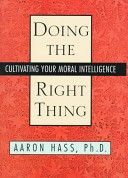
A psychologist and frequent television guest shows readers how to shore up their sense of right and wrong and communicate it to their children, outlining four universal moral principles and many real-life scenarios where right thinking is required.
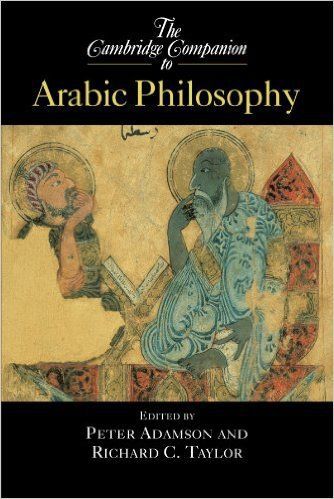
Philosophy written in Arabic and in the Islamic world represents one of the great traditions of Western philosophy. Inspired by Greek philosophical works and the indigenous ideas of Islamic theology, Arabic philosophers from the ninth century onwards put forward ideas of great philosophical and historical importance. This collection of essays, by some of the leading scholars in Arabic philosophy, provides an introduction to the field by way of chapters devoted to individual thinkers (such as al-Farabi, Avicenna and Averroes) or groups, especially during the classical period from the ninth to the twelfth centuries. It also includes chapters on areas of philosophical inquiry across the tradition, such as ethics and metaphysics. Finally, it includes chapters on later Islamic thought, and on the connections between Arabic philosophy and Greek, Jewish, and Latin philosophy. The volume also includes a useful bibliography and a chronology of the most important Arabic thinkers.
David Hume’s revolutionary philosophies took an empirical approach to the study of human nature. Controversial in his time, he was accused of everything from atheism to moral corruption; he has since been recognized as one of the foremost thinkers of the late modern period, influencing the thought of nearly every philosopher in his wake. The arguments presented in his writings have survived three centuries of varying perspectives, and have had a lasting influence on the philosophy of mind, knowledge, religion, action, morality, economics, and politics.”A Companion to Hume” is the ideal resource for the study of one of history’s most remarkable thinkers, demonstrating the range of Hume’s work and illuminating the ongoing debates that they have generated. Comprised of twenty-nine expertly commissioned essays addressing such expansive topics of knowledge, passion, morality, religion, economics, and politics, this collection examines the paradoxes of Hume’s thought and his legacy, covering the methods, themes, and consequences of his contributions to philosophy.
Epistemology has for a long time focused on the concept of knowledge and tried to answer questions such as whether knowledge is possible and how much of it there is. Often missing from this inquiry, however, is a discussion on the value of knowledge. In The Value of Knowledge and the Pursuit of Understanding Jonathan Kvanvig argues that epistemology properly conceived cannot ignore the question of the value of knowledge. He also questions one of the most fundamental assumptions in epistemology, namely that knowledge is always more valuable than the value of its subparts. Taking Platos’ Meno as a starting point of his discussion, Kvanvig tackles the different arguments about the value of knowledge and comes to the conclusion that knowledge is less valuable than generally assumed. Clearly written and well argued, the book will appeal to students and professionals in epistemology.
ما از اخلاق چه انتظاری داریم؟ این سوال شاید تاحدودی برای عموم مردم و یا متخصصان این رشته قابل پاسخ باشد؛ اینکه خوب بودن را به ما بیاموزد و در تنظیم روابط فردی م...

جشن کتاب تهران به ایستگاه سی و یکم رسیده است. حال و احوال نشر کتاب خوب نیست و باید فرهنگدوستان را به خرید و هدیه دادن کتاب ترغیب نمود. خانه اخلاقپژوهان جوان ب...

بنیاد کتابهای اخلاق اسلامی عمدتا پالایش جان از آلودگیها و آراستن آن به زیباییها است. اندیشه محوری این قبیل کتابها آن است که انسان فعلی آنی نیست که باید باشد...

-
0 Comments