Notice: تابع WP_Block_Type_Registry::register به طورنادرست فراخوانی شد. نامهای نوع بلوک نباید حروف بزرگ داشته باشند. لطفاً برای اطلاعات بیشتر، اشکال زدایی در وردپرس را مشاهده کنید. (این پیام در نگارش 5.0.0 افزوده شده است.) in /home/ethicsho/public_html/wp-includes/functions.php on line 5313
Warning: Use of undefined constant TDC_PATH_LEGACY - assumed 'TDC_PATH_LEGACY' (this will throw an Error in a future version of PHP) in /home/ethicsho/public_html/wp-content/plugins/td-composer/td-composer.php on line 109
Warning: Use of undefined constant TDSP_THEME_PATH - assumed 'TDSP_THEME_PATH' (this will throw an Error in a future version of PHP) in /home/ethicsho/public_html/wp-content/plugins/td-composer/td-composer.php on line 113 بایگانیهای 320.50904 - خانه اخلاق پژوهان جوان Notice: Trying to access array offset on value of type bool in /home/ethicsho/public_html/wp-content/plugins/wp-ulike/inc/general-functions.php on line 807
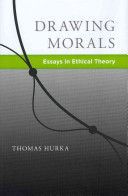
This volume contains selected essays in moral and political philosophy by Thomas Hurka. The essays address a wide variety of topics, from the well-rounded life and the value of playing games to proportionality in war and the ethics of nationalism. They also share a common aim: to illuminate the surprising richness and subtlety of our everyday moral thought by revealing its underlying structure, which they often do by representing that structure on graphs. More specifically, the essays all give what the first in the volume calls “structural” as against “foundational” analyses of moral views. Eschewing the grander ambition of grounding our ideas about, say, virtue or desert in claims that use different concepts and concern some other, allegedly more fundamental topic, they examine these ideas in their own right and with close attention to their details. As well as illuminating their individual topics, the essays illustrate the insights this structural method can yield.
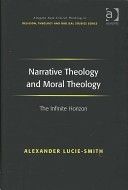
Moral thinking today finds itself stranded between the particular and the universal. Alasdair MacIntyre’s work on narrative, discussed here along with that of Stanley Hauerwas and H. T. Engelhardt, aims to undo the perceived damage done by the Enlightenment by returning to narrative and abandoning the illusion of a disembodied reason that claims to be able give a coherent explanation for everything. It is precisely this – a theory that holds good for all cases – that John Rawls proposed, drawing on the heritage of Emmanuel Kant. Who is right? Must universality be abandoned? Must we only think about morality in terms that are relative, bound by space and time? Alexander Lucie-Smith attempts to answer these questions by examining the nature of narrative itself as well as the particular narratives of Rawls and St Augustine. Bound and rooted as they are in history and personal experience, narratives nevertheless strain at the limits imposed on them. It is Lucie-Smith’s contention that each narrative that points to a lived morality exists against the background of an infinite horizon; and thus it is that the particular and the rooted can also make us aware of the universal and unchanging.
Postmodernism has had a significant and divisive impact on late-Twentieth Century thought. Proponents of the postmodernist critique of absolute knowledge have felt it necessary to jettison the Enlightenment concepts of truth, reason and the self. Opponents of postmodernism have seized on this abandonment of rational standards only to ignore the very real problems raised by the postmodernists. Michael Luntley provides a lively introduction to debate and offers a clear and careful exposition of how rational debate can survive even if the main postmodernist critique of the Enlightenment is accepted.Reason, Truth and Selfcovers many of the key questions of our age: the rationality of science; the availability of rational but non-scientific ways of understanding ourselves and our world; the nature of mind and of knowledge; the nature of moral judgement and the scope for accounts of the self that do justice to our situatedness in real historical circumstances.
ما از اخلاق چه انتظاری داریم؟ این سوال شاید تاحدودی برای عموم مردم و یا متخصصان این رشته قابل پاسخ باشد؛ اینکه خوب بودن را به ما بیاموزد و در تنظیم روابط فردی م...

جشن کتاب تهران به ایستگاه سی و یکم رسیده است. حال و احوال نشر کتاب خوب نیست و باید فرهنگدوستان را به خرید و هدیه دادن کتاب ترغیب نمود. خانه اخلاقپژوهان جوان ب...

بنیاد کتابهای اخلاق اسلامی عمدتا پالایش جان از آلودگیها و آراستن آن به زیباییها است. اندیشه محوری این قبیل کتابها آن است که انسان فعلی آنی نیست که باید باشد...

-
0 Comments