Notice: تابع WP_Block_Type_Registry::register به طورنادرست فراخوانی شد. نامهای نوع بلوک نباید حروف بزرگ داشته باشند. لطفاً برای اطلاعات بیشتر، اشکال زدایی در وردپرس را مشاهده کنید. (این پیام در نگارش 5.0.0 افزوده شده است.) in /home/ethicsho/public_html/wp-includes/functions.php on line 5313
Warning: Use of undefined constant TDC_PATH_LEGACY - assumed 'TDC_PATH_LEGACY' (this will throw an Error in a future version of PHP) in /home/ethicsho/public_html/wp-content/plugins/td-composer/td-composer.php on line 109
Warning: Use of undefined constant TDSP_THEME_PATH - assumed 'TDSP_THEME_PATH' (this will throw an Error in a future version of PHP) in /home/ethicsho/public_html/wp-content/plugins/td-composer/td-composer.php on line 113 بایگانیهای 261.7/2 - خانه اخلاق پژوهان جوان Notice: Trying to access array offset on value of type bool in /home/ethicsho/public_html/wp-content/plugins/wp-ulike/inc/general-functions.php on line 807
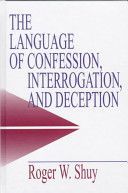
Using a linguistic point of view, The Language of Confession, Interrogation, and Deception is a practical explanation of how confessions work, written by the “father of forensic linguistics”, Roger W. Shuy. Using his 1993 benchmark work, Language Crimes as his model, Shuy examines criminal confessions, the interrogations that elicit them, and the deceptive language that plays a role in the confession event. He presents transcripts from numerous interrogations and analyzes how language is used, how constitutional rights are not protected, consistency and truthfulness, suggestibility, written confessions, as well as unvalidated confessions. He concludes the volume with explicit advice on how to conduct interrogations that will yield credible evidence. A landmark volume with cross-disciplinary applications, The Language of Confession, Interrogation, and Deception is useful for professionals and academics in linguistics, forensic linguistics, criminal justice, communication, and interpersonal violence.
This accessible introduction to religious ethics focuses on the major forms of moral reasoning encompassing the three ‘Abrahamic’ religions: Judaism, Christianity, and Islam. Draws on a range of moral issues, such as examples arising from friendship, marriage, homosexuality, lying, forgiveness and its limits, the death penalty, the environment, warfare, and the meaning of work, career, and vocation Looks at both ethical reasoning and importantly, “how” that reasoning reveals insights into a religious tradition Investigates the resources available to address common problems confronting Abrahamic faiths, and how each faith explains and defends its moral viewpoints Offering concrete topics for interfaith discussions, this is a timely and insightful introduction to a fast-growing field of interest
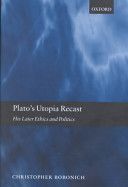
Plato’s Utopia Recast is an illuminating reappraisal of Plato’s later works, which reveals radical changes in his ethical and political theory. Christopher Bobonich examines later dialogues, with a special emphasis upon the Laws, and argues that in these late works, Plato both rethinks and revises the basic ethical and political positions that he held in his better-known earlier works, such as the Republic. This book will change our understanding of Plato. His controversial moral and political theory, so influential in Western thought, will henceforth be seen in a new light.
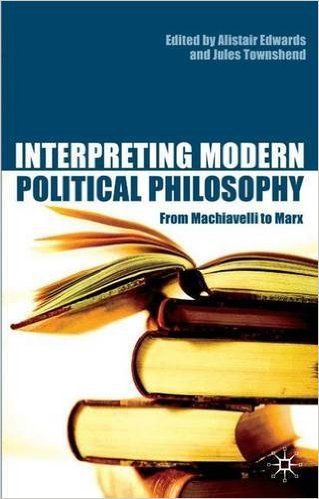
The interpretive literature in the history of political thought is now vast, complex, and esoteric, posing as much a barrier to the understanding of students as it offers assistance. This unique and innovative text provides an essential guide to the major positions and debates that surround the texts of key thinkers. It analyzes major problems of interpreting them, examines the sources of disagreement, and evaluates the different interpretations in terms of their strengths, weaknesses, and contributions to scholarship.
ما از اخلاق چه انتظاری داریم؟ این سوال شاید تاحدودی برای عموم مردم و یا متخصصان این رشته قابل پاسخ باشد؛ اینکه خوب بودن را به ما بیاموزد و در تنظیم روابط فردی م...

جشن کتاب تهران به ایستگاه سی و یکم رسیده است. حال و احوال نشر کتاب خوب نیست و باید فرهنگدوستان را به خرید و هدیه دادن کتاب ترغیب نمود. خانه اخلاقپژوهان جوان ب...

بنیاد کتابهای اخلاق اسلامی عمدتا پالایش جان از آلودگیها و آراستن آن به زیباییها است. اندیشه محوری این قبیل کتابها آن است که انسان فعلی آنی نیست که باید باشد...

-
0 Comments