
Notice: تابع WP_Block_Type_Registry::register به طورنادرست فراخوانی شد. نامهای نوع بلوک نباید حروف بزرگ داشته باشند. لطفاً برای اطلاعات بیشتر، اشکال زدایی در وردپرس را مشاهده کنید. (این پیام در نگارش 5.0.0 افزوده شده است.) in /home/ethicsho/public_html/wp-includes/functions.php on line 5313
Warning: Use of undefined constant TDC_PATH_LEGACY - assumed 'TDC_PATH_LEGACY' (this will throw an Error in a future version of PHP) in /home/ethicsho/public_html/wp-content/plugins/td-composer/td-composer.php on line 109
Warning: Use of undefined constant TDSP_THEME_PATH - assumed 'TDSP_THEME_PATH' (this will throw an Error in a future version of PHP) in /home/ethicsho/public_html/wp-content/plugins/td-composer/td-composer.php on line 113 بایگانیهای 179.3 - خانه اخلاق پژوهان جوان Notice: Trying to access array offset on value of type bool in /home/ethicsho/public_html/wp-content/plugins/wp-ulike/inc/general-functions.php on line 807
Between the Civil War and the early decades of the eighteenth century, English poets of the first rank devoted more of their time and creative energies to translating than they had ever done before or have ever done since. Paul Davis’s Translation and the Poet’s Life is the first study to range across the entirety of this golden age of poetic translation in England, taking as its organizing principle and object of inquiry the significances of translating itself as a distinctive mode of imaginative conduct. Composed of case studies of the five leading poet-translators of the age – John Denham, Henry Vaughan, Abraham Cowley, John Dryden, and Alexander Pope – it explores the part translation played in their lives as poets and thence in modelling ‘the poet’s life’ during what was a period of transition between early-modern and modern constructions of it. The argumentative method of the book is metaphorical. Each chapter explores the impact on the theory and practice of the poet at issue of a metaphor or group of metaphors broadly current in contemporary translation discourse: in particular, figurations of the translator as an exile, as a child, as a code-breaker, and as a slave; and comparisons of translation to friendship, sexual congress, metamorphosis and trade. The majority of these metaphors were wholly or potentially pejorative: translation remained a controversial practice throughout this period, widely depreciated and stigmatized. Turning translator accordingly forced the five major poets considered in Translation and the Poet’s Life to undertake strenuous efforts of self-inquiry and self-presentation; to find new answers to questions integral to their understandings of themselves and their standing in their culture: questions about vocation and career, fame and happiness, responsibility and freedom. Translation and the Poet’s Life tells the stories of these personal and public remakings.
How can we enhance police integrity? The authors surveyed over 3000 police officers from 30 U.S. police departments on how they would respond to typical scenarios where integrity is challenged. They studied three police agencies which scored highly on the integrity scale: Charlotte-Mecklenburg, North Carolina; Charleston, South Carolina; and St. Petersburg, Florida. The authors conclude that enhancing police integrity goes well beyond culling out “bad apple” police officers. Police administrators should focus on four aspects: organizational rulemaking; detecting, investigating and disciplining rule violations; circumscribing the informal “code of silence” that prohibits police from reporting the misconduct of their colleagues; and understanding the influence of public expectations and agency history.
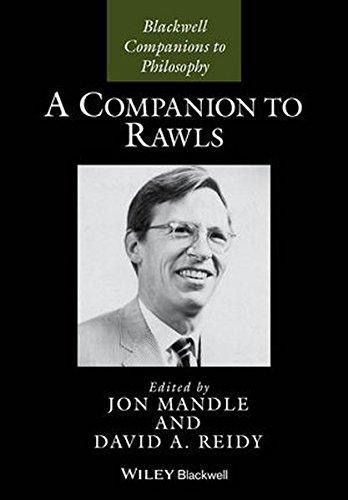
Wide ranging and up to date, this is the single most comprehensive treatment of the most influential political philosopher of the 20th century, John Rawls. An unprecedented survey that reflects the surge of Rawls scholarship since his death, and the lively debates that have emerged from his work Features an outstanding list of contributors, including senior as well as “next generation” Rawls scholars Provides careful, textually informed exegesis and well-developed critical commentary across all areas of his work, including non-Rawlsian perspectives Includes discussion of new material, covering Rawls’s work from the newly published undergraduate thesis to the final writings on public reason and the law of peoples Covers Rawls’s moral and political philosophy, his distinctive methodological commitments, and his relationships to the history of moral and political philosophy and to jurisprudence and the social sciences Includes discussion of his monumental 1971 book, A Theory of Justice, which is often credited as having revitalized political philosophy
ما از اخلاق چه انتظاری داریم؟ این سوال شاید تاحدودی برای عموم مردم و یا متخصصان این رشته قابل پاسخ باشد؛ اینکه خوب بودن را به ما بیاموزد و در تنظیم روابط فردی م...

جشن کتاب تهران به ایستگاه سی و یکم رسیده است. حال و احوال نشر کتاب خوب نیست و باید فرهنگدوستان را به خرید و هدیه دادن کتاب ترغیب نمود. خانه اخلاقپژوهان جوان ب...

بنیاد کتابهای اخلاق اسلامی عمدتا پالایش جان از آلودگیها و آراستن آن به زیباییها است. اندیشه محوری این قبیل کتابها آن است که انسان فعلی آنی نیست که باید باشد...

-
0 Comments