Notice: تابع WP_Block_Type_Registry::register به طورنادرست فراخوانی شد. نامهای نوع بلوک نباید حروف بزرگ داشته باشند. لطفاً برای اطلاعات بیشتر، اشکال زدایی در وردپرس را مشاهده کنید. (این پیام در نگارش 5.0.0 افزوده شده است.) in /home/ethicsho/public_html/wp-includes/functions.php on line 5313
Warning: Use of undefined constant TDC_PATH_LEGACY - assumed 'TDC_PATH_LEGACY' (this will throw an Error in a future version of PHP) in /home/ethicsho/public_html/wp-content/plugins/td-composer/td-composer.php on line 109
Warning: Use of undefined constant TDSP_THEME_PATH - assumed 'TDSP_THEME_PATH' (this will throw an Error in a future version of PHP) in /home/ethicsho/public_html/wp-content/plugins/td-composer/td-composer.php on line 113 بایگانیهای 171.9 - خانه اخلاق پژوهان جوان Notice: Trying to access array offset on value of type bool in /home/ethicsho/public_html/wp-content/plugins/wp-ulike/inc/general-functions.php on line 807
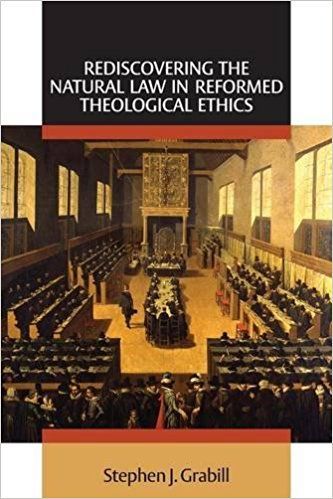
Is knowledge of right and wrong written on the human heart? Do people know God from the world around them? Does natural knowledge contribute to Christian doctrine? While these questions of natural theology and natural law have historically been part of theological reflection, twentieth-century Protestant theologians’ radical reliance on revelation has eclipsed this historic connection. Stephen Grabill attempts the treacherous task of reintegration of Reformed Protestant theology with natural law by appealing to reformation era theologians such as John Calvin, Peter Martyr Vermigli, Johannes Althusius, and Francis Turretin who carried over and refined the traditional understanding of this key doctrine. In Rediscovering the Natural Law in Reformed Theological Ethics Stephen Grabill calls Christian ethicists, theologians and laypersons to take another look at this vital element in the history of Christian ethical thought.
Book Summary of Aiming At Virtue In PlatoThis innovative study of Plato’s ethics focuses on the concept of virtue. Based on detailed readings of the most prominent Platonic dialogues on virtue, it argues that there is a central yet previously unnoticed conceptual distinction in Plato between the idea of virtue as the supreme aim of one’s actions and the determination of which action-tokens or -types are virtuous. Appreciating the ‘aiming/determining distinction’ provides detailed and mutually consistent readings of the most well-known Platonic dialogues on virtue as well as original interpretations of central Platonic questions. Unlike most examinations of Plato’s ethics, this study does not take as its centrepiece the ‘eudaimonist framework’, which focusses on the relationship between virtue and happiness. Instead Aiming at Virtue in Plato argues that the dialogues themselves begin with the idea of the supremacy of virtue, examine how that claim can be defended, and address how to determine what constitutes the virtuous action..
Ethics and Rock Art: Images and Power addresses the distinctive ways in which ethical considerations pertain to rock art research within the larger context of the archaeological ethical debate. Marks on stone, with their social and religious implications, give rise to distinctive ethical concerns within the scholarly enterprise as different perceptions between scholars and Native Americans are encountered in regard to worldviews, concepts of space, time, and in the interpretation of the imagery itself. This discourse addresses issues such as the conflicting paradigms of oral traditions and archaeological veracity, differing ideas about landscapes in which rock art occurs, the intrusion of “desired knowledge”, and how the past may be robbed by changing interpretations and values on both sides. Case studies are presented in regard to shamanism and war-related imagery. Also addressed are issues surrounding questions of art, aesthetics, and appropriation of imagery by outsiders. Overall, this discourse attempts to clarify points of contention between Euro-American scholars and Native Americans so that we can better recognize the origins of differences and thus promote better mutual understanding in these endeavors.
An introduction to the philosophy of law, which offers a modern and critical appraisal of all the main issues and problems. This has become a very active area in the last ten years, and one on which philosophers, legal practitioners and theorists and social scientists have tended to converge. The more abstract questions about the nature of law and its relationship to social norms and moral standards are now seen to be directly relevant to more practical and indeed pressing questions about the justification of punishment, civil disobedience, the enforcement of morality, and problems about justice, rights, welfare, and freedom. David Lyons is a shrewd, clear and systematic guide through this tangled area. The book presupposes no formal training in law or philosophy and is intended to serve as a textbook in a range of introductory courses.
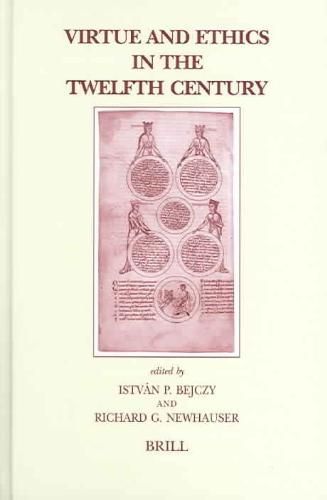
This volume analyses the renewal of Western moral thought in the twelfth century. This renewal was marked by a burgeoning of increasingly systematized texts, a lively reception of ancient moral philosophy and a greater emphasis on the psychology of the moral agent. Five contributions are devoted to monastic morality (Anselm of Canterbury, Bernard of Clairvaux, Hugh of Folieto, Hugh of Saint Victor, Peter Abelard); another five to (proto-)scholastic thought (John of Salisbury, Peter Abelard, Stephen Langton, the idea of natural virtue, the justification of lying); three discuss moral issues in a wider social context (liberality vs. avarice, royal justice in England, the cardinal virtues and the French monarchy). The two remaining contributions explore ethical traditions in Islamic and Jewish philosophy.
ما از اخلاق چه انتظاری داریم؟ این سوال شاید تاحدودی برای عموم مردم و یا متخصصان این رشته قابل پاسخ باشد؛ اینکه خوب بودن را به ما بیاموزد و در تنظیم روابط فردی م...

جشن کتاب تهران به ایستگاه سی و یکم رسیده است. حال و احوال نشر کتاب خوب نیست و باید فرهنگدوستان را به خرید و هدیه دادن کتاب ترغیب نمود. خانه اخلاقپژوهان جوان ب...

بنیاد کتابهای اخلاق اسلامی عمدتا پالایش جان از آلودگیها و آراستن آن به زیباییها است. اندیشه محوری این قبیل کتابها آن است که انسان فعلی آنی نیست که باید باشد...

-
0 Comments