Notice: تابع WP_Block_Type_Registry::register به طورنادرست فراخوانی شد. نامهای نوع بلوک نباید حروف بزرگ داشته باشند. لطفاً برای اطلاعات بیشتر، اشکال زدایی در وردپرس را مشاهده کنید. (این پیام در نگارش 5.0.0 افزوده شده است.) in /home/ethicsho/public_html/wp-includes/functions.php on line 5313
Warning: Use of undefined constant TDC_PATH_LEGACY - assumed 'TDC_PATH_LEGACY' (this will throw an Error in a future version of PHP) in /home/ethicsho/public_html/wp-content/plugins/td-composer/td-composer.php on line 109
Warning: Use of undefined constant TDSP_THEME_PATH - assumed 'TDSP_THEME_PATH' (this will throw an Error in a future version of PHP) in /home/ethicsho/public_html/wp-content/plugins/td-composer/td-composer.php on line 113 بایگانیهای 149.73 - خانه اخلاق پژوهان جوان Notice: Trying to access array offset on value of type bool in /home/ethicsho/public_html/wp-content/plugins/wp-ulike/inc/general-functions.php on line 807
Intention is one of the masterworks of twentieth-century philosophy in English. First published in 1957, it has acquired the status of a modern philosophical classic. The book attempts to show in detail that the natural and widely accepted picture of what we mean by an intention gives rise to insoluble problems and must be abandoned. This is a welcome reprint of a book that continues to grow in importance.
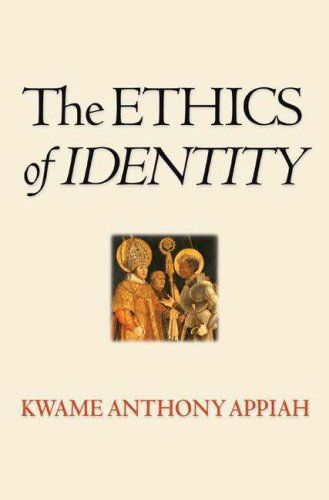
Race, ethnicity, nationality, religion, gender, sexuality: in the past couple of decades, a great deal of attention has been paid to such collective identities. They clamor for recognition and respect, sometimes at the expense of other things we value. But to what extent do “identities” constrain our freedom, our ability to make an individual life, and to what extent do they enable our individuality? In this beautifully written work, renowned philosopher and African Studies scholar Kwame Anthony Appiah draws on thinkers through the ages and across the globe to explore such questions.The Ethics of Identity takes seriously both the claims of individuality–the task of making a life—and the claims of identity, these large and often abstract social categories through which we define ourselves. What sort of life one should lead is a subject that has preoccupied moral and political thinkers from Aristotle to Mill. Here, Appiah develops an account of ethics, in just this venerable sense–but an account that connects moral obligations with collective allegiances, our individuality with our identities. As he observes, the question who we are has always been linked to the question what we are. Adopting a broadly interdisciplinary perspective, Appiah takes aim at the clichés and received ideas amid which talk of identity so often founders. Is “culture” a good? For that matter, does the concept of culture really explain anything? Is diversity of value in itself? Are moral obligations the only kind there are? Has the rhetoric of “human rights” been overstretched? In the end, Appiah’s arguments make it harder to think of the world as divided between the West and the Rest; between locals and cosmopolitans; between Us and Them. The result is a new vision of liberal humanism–one that can accommodate the vagaries and variety that make us human.
This book argues that the English law governing the end(ing) of life violates norms, such as the need for consistency and clarity, whose observance are vital for a properly functioning legal system. It will demonstrate that such difficulties stem from the law’s attempts to cleave to competing ethical injunctions concerning the value of human life and the individual’s proclaimed right to determine the ending of his or her life. In contrast to most contributions to the debate which tend to adopt more absolutist positions, this book concludes that a compromise position is defensible but that current compromise can be better articulated, thus restoring a measure of legal rationality.
This second edition of Ethics in Practice is a comprehensive collection of more than 60 new, newly-revised, and classic essays on fourteen contemporary moral questions. Through the selection of essays, organization of sections, and incisive general and section introductions, this book integrates ethical theory and the discussion of practical moral problems. In addition to the more familiar issues, such as abortion, euthanasia, animal rights, preferential treatment, and the environment, the volume includes coverage of less familiar, but equally important issues such as immigration, political correctness, free speech, the use of drugs, world hunger, and economic justice. The second edition includes 21 essays not in the first edition, with expanded sections discussing three more topics: reproductive technologies, gun control, and capital punishment. This volume features accessible and engaging, yet philosophically rigorous essays that encourage the student to think critically about a wide range of practical moral issues. The supporting website at http://www.stpt.usf.edu/hhl/papers/ethics.in.practice.2nd.htm contains extensive links to sources on the topics, ethical theories, and guides on writing papers. These features make Ethics in Practice the ideal text for introductory and applied ethics courses.
ما از اخلاق چه انتظاری داریم؟ این سوال شاید تاحدودی برای عموم مردم و یا متخصصان این رشته قابل پاسخ باشد؛ اینکه خوب بودن را به ما بیاموزد و در تنظیم روابط فردی م...

جشن کتاب تهران به ایستگاه سی و یکم رسیده است. حال و احوال نشر کتاب خوب نیست و باید فرهنگدوستان را به خرید و هدیه دادن کتاب ترغیب نمود. خانه اخلاقپژوهان جوان ب...

بنیاد کتابهای اخلاق اسلامی عمدتا پالایش جان از آلودگیها و آراستن آن به زیباییها است. اندیشه محوری این قبیل کتابها آن است که انسان فعلی آنی نیست که باید باشد...

-
0 Comments