Alasdair MacIntyre is one of the most controversial philosophers and social theorists of our time. He opposes liberalism and postmodernism with the teleological arguments of an updated Thomistic Aristotelianism. It is this tradition, he claims, which presents the best theory so far about the nature of rationality, morality and politics.…

This book examines the depiction of the social construction of male homosexuality, lesbianism, and women’s role in “The Bell”, “A Fairly Honourable Defeat”, “An Accidental Man”, “The Philosopher’s Pupil”, and “The Green Knight”. It also explores the representation of power dynamics in the portrayal of homosexuality in Murdoch’s fiction and…
Agnes Heller is one of the leading thinkers to come out of the tradition of critical theory. Her awesome intellectual range and output includes ethics, philosophical anthropology, political philosophy and a theory of modernity and its culture.Hungarian by birth, she was one of the best known dissident Marxists in central…
Thank you for using the free trial edition of Book Collector. We hope you enjoyed using it! However, your trial has now expired. Do you want to continue using Book Collector? Then please buy a Book Collector license here.
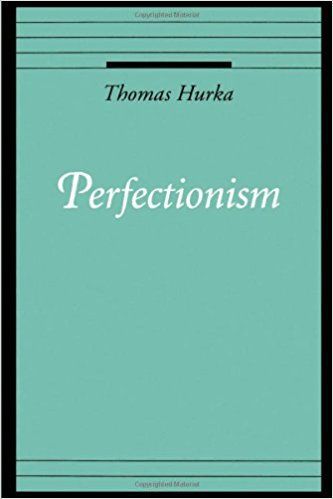
Perfectionism is one of the great moralities of the Western tradition. It holds that certain states of humans, such as knowledge, achievement, and friendship, are good apart from any pleasure they may bring, and that the morally right act is always the one that most promotes these states. Defined more…


Number of Books in Ethics House Library

Number of Books in Ethics House Library
3769