Notice: تابع WP_Block_Type_Registry::register به طورنادرست فراخوانی شد. نامهای نوع بلوک نباید حروف بزرگ داشته باشند. لطفاً برای اطلاعات بیشتر، اشکال زدایی در وردپرس را مشاهده کنید. (این پیام در نگارش 5.0.0 افزوده شده است.) in /home/ethicsho/public_html/wp-includes/functions.php on line 5313
Warning: Use of undefined constant TDC_PATH_LEGACY - assumed 'TDC_PATH_LEGACY' (this will throw an Error in a future version of PHP) in /home/ethicsho/public_html/wp-content/plugins/td-composer/td-composer.php on line 109
Warning: Use of undefined constant TDSP_THEME_PATH - assumed 'TDSP_THEME_PATH' (this will throw an Error in a future version of PHP) in /home/ethicsho/public_html/wp-content/plugins/td-composer/td-composer.php on line 113 بایگانیهای Vigen Guroian - خانه اخلاق پژوهان جوان Notice: Trying to access array offset on value of type bool in /home/ethicsho/public_html/wp-content/plugins/wp-ulike/inc/general-functions.php on line 807
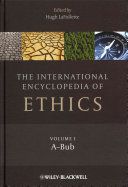
Unmatched in scholarship and scope, The International Encyclopedia of Ethics is the definitive single-source reference work on Ethics, available both in print and online. Comprises over 700 entries, ranging from 1000 to 10,000 words in length, written by an international cast of subject experts Is arranged across 9 fully cross-referenced volumes including a comprehensive index Provides clear definitions and explanations of all areas of ethics including the topics, movements, arguments, and key figures in Normative Ethics, Metaethics, and Practical Ethics Covers the major philosophical and religious traditions Offers an unprecedented level of authority, accuracy and balance with all entries being blind peer-reviewed
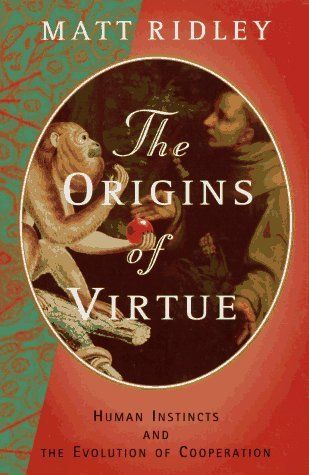
If evolution by natural selection relentlessly favors self-interest, why do human beings live in complex societies and show so much cooperative spirit? In The Origins of Virtue, Matt Ridley, a zoologist and former American editor of the Economist, shows that recent research in a number of fields has suggested a resolution of the apparent contradiction between self-interest and mutual aid.
The fundamental question of the ethics of belief is “What ought one to believe?” According to the traditional view of evidentialism, the strength of one’s beliefs should be proportionate to the evidence. Conventional ways of defending and challenging evidentialism rely on the idea that what one ought to believe is a matter of what it is rational, prudent, ethical, or personally fulfilling to believe. Common to all these approaches is that they look outside of belief itself to determine what one ought to believe.In this book Jonathan Adler offers a strengthened version of evidentialism, arguing that the ethics of belief should be rooted in the concept of belief—that evidentialism is belief’s own ethics. A key observation is that it is not merely that one ought not, but that one cannot, believe, for example, that the number of stars is even. The “cannot” represents a conceptual barrier, not just an inability. Therefore belief in defiance of one’s evidence (or evidentialism) is impossible. Adler addresses such questions as irrational beliefs, reasonableness, control over beliefs, and whether justifying beliefs requires a foundation. Although he treats the ethics of belief as a central topic in epistemology, his ideas also bear on rationality, argument and pragmatics, philosophy of religion, ethics, and social cognitive psychology.
ما از اخلاق چه انتظاری داریم؟ این سوال شاید تاحدودی برای عموم مردم و یا متخصصان این رشته قابل پاسخ باشد؛ اینکه خوب بودن را به ما بیاموزد و در تنظیم روابط فردی م...

جشن کتاب تهران به ایستگاه سی و یکم رسیده است. حال و احوال نشر کتاب خوب نیست و باید فرهنگدوستان را به خرید و هدیه دادن کتاب ترغیب نمود. خانه اخلاقپژوهان جوان ب...

بنیاد کتابهای اخلاق اسلامی عمدتا پالایش جان از آلودگیها و آراستن آن به زیباییها است. اندیشه محوری این قبیل کتابها آن است که انسان فعلی آنی نیست که باید باشد...

-
0 Comments