Notice: تابع WP_Block_Type_Registry::register به طورنادرست فراخوانی شد. نامهای نوع بلوک نباید حروف بزرگ داشته باشند. لطفاً برای اطلاعات بیشتر، اشکال زدایی در وردپرس را مشاهده کنید. (این پیام در نگارش 5.0.0 افزوده شده است.) in /home/ethicsho/public_html/wp-includes/functions.php on line 5313
Warning: Use of undefined constant TDC_PATH_LEGACY - assumed 'TDC_PATH_LEGACY' (this will throw an Error in a future version of PHP) in /home/ethicsho/public_html/wp-content/plugins/td-composer/td-composer.php on line 109
Warning: Use of undefined constant TDSP_THEME_PATH - assumed 'TDSP_THEME_PATH' (this will throw an Error in a future version of PHP) in /home/ethicsho/public_html/wp-content/plugins/td-composer/td-composer.php on line 113 بایگانیهای Steven Fesmire - خانه اخلاق پژوهان جوان Notice: Trying to access array offset on value of type bool in /home/ethicsho/public_html/wp-content/plugins/wp-ulike/inc/general-functions.php on line 807
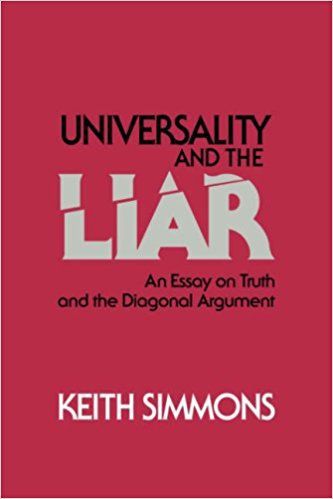
This book is about one of the most baffling of all paradoxes–the famous Liar paradox. Suppose we say: “We are lying now.” Then if we are lying, we are telling the truth; and if we are telling the truth we are lying. This paradox is more than an intriguing puzzle, since it involves the concept of truth. Thus any coherent theory of truth must deal with the Liar. Keith Simmons discusses the solutions proposed by medieval philosophers and offers his own solutions and in the process assesses other contemporary attempts to solve the paradox. Unlike such attempts, Simmons’ “singularity” solution does not abandon classical semantics and does not appeal to the kind of hierarchical view found in Barwise’s and Etchemendy’s The Liar. Moreover, Simmons’ solution resolves the vexing problem of semantic universality–the problem of whether there are semantic concepts beyond the expressive reach of a natural language such as English.
This evocative and broad-ranging book traces the history of moral regulation in Britain and the US from the late seventeenth century to the present day. Specific coverage is given to movements such as the Society for the Reformation of Manners and the Vice Society, the sexual abuse and anti-pornography movements, and contemporary self-help movements. Hunt argues that the main impetus for moral regulations often stems from the middle classes, rather than those with institutional power, but most significantly they provide classic instances of the intimate link between the ‘governance of others’ and the ‘governance of the self’. Using the work of Foucault, this book analyses how projects of self-regulation can manifest themselves into the regulation of others. Concurrent with this is the rise of health discourses, which play a central role in contemporary discussions of moral governance.
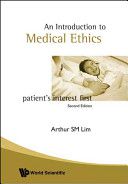
Throughout history, men have repeatedly made judgments regarding their own conduct and that of their fellow men. Some acts have been judged to be right or good, while other acts have been denounced as wrong or evil. Ethical judgment in medicine, as in other areas of life, is an attempt to distinguish between good and bad conduct.This book is based on three lectures given by the author as the Medical Director of Eye Clinic Singapura International. The first lecture was an address delivered to medical undergraduates at the National University of Singapore in 1975. The second was a Commonwealth Medical Association lecture delivered a decade ago. The third was a Singapore Medical Association lecture delivered in 1981. This volume, emphasizing the principles of medical ethics, has been kept simple and brief, and it is hoped that it will make interesting reading for both medical professionals and the general public.
ما از اخلاق چه انتظاری داریم؟ این سوال شاید تاحدودی برای عموم مردم و یا متخصصان این رشته قابل پاسخ باشد؛ اینکه خوب بودن را به ما بیاموزد و در تنظیم روابط فردی م...

جشن کتاب تهران به ایستگاه سی و یکم رسیده است. حال و احوال نشر کتاب خوب نیست و باید فرهنگدوستان را به خرید و هدیه دادن کتاب ترغیب نمود. خانه اخلاقپژوهان جوان ب...

بنیاد کتابهای اخلاق اسلامی عمدتا پالایش جان از آلودگیها و آراستن آن به زیباییها است. اندیشه محوری این قبیل کتابها آن است که انسان فعلی آنی نیست که باید باشد...

-
0 Comments