Notice: تابع WP_Block_Type_Registry::register به طورنادرست فراخوانی شد. نامهای نوع بلوک نباید حروف بزرگ داشته باشند. لطفاً برای اطلاعات بیشتر، اشکال زدایی در وردپرس را مشاهده کنید. (این پیام در نگارش 5.0.0 افزوده شده است.) in /home/ethicsho/public_html/wp-includes/functions.php on line 5313
Warning: Use of undefined constant TDC_PATH_LEGACY - assumed 'TDC_PATH_LEGACY' (this will throw an Error in a future version of PHP) in /home/ethicsho/public_html/wp-content/plugins/td-composer/td-composer.php on line 109
Warning: Use of undefined constant TDSP_THEME_PATH - assumed 'TDSP_THEME_PATH' (this will throw an Error in a future version of PHP) in /home/ethicsho/public_html/wp-content/plugins/td-composer/td-composer.php on line 113 بایگانیهای Samuel Pufendorf - خانه اخلاق پژوهان جوان Notice: Trying to access array offset on value of type bool in /home/ethicsho/public_html/wp-content/plugins/wp-ulike/inc/general-functions.php on line 807
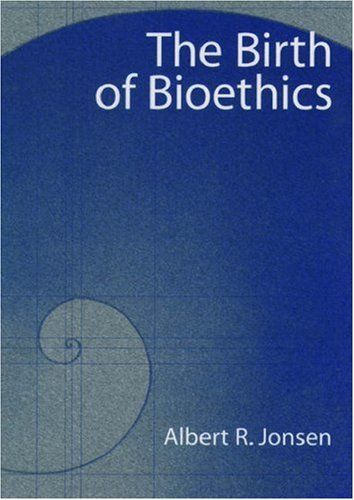
This book is the first broad history of the growing field of bioethics. Covering the period 1947-1987, it examines the origin and evolution of the debates over human experimentation, genetic engineering, organ transplantation, termination of life-sustaining treatment, and new reproductivetechnologies. It assesses the contributions of philosophy, theology, law and the social sciences to the expanding discourse of bioethics. Written by one of the field’s founders, it is based on extensive archival research into resources that are difficult to obtain and on interviews with manyleading figures. A very readable account of the development of bioethics, the book stresses the history of ideas but does not neglect the social and cultural context and the people involved.
In their new book, Emotion, Character, and Responsibility, John Sabini and Maury Silver examine a conflict in the way that psychologists, philosophers, and ordinary people think about character. Most of us share an intuition that emotions are central to who we are and the characters we have, even though emotions are unchosen. Yet we also share the intuition that action, choice, and responsibility are what count about our characters. This book deals with this conflict by exploring the relations between the chosen and unchosen, moral and nonmoral, in sincerity, loyalty, sympathy, shame, guilt, and embarrassment as they affect our characters. The conflict is resolved by finding an aesthetic as well as moral basis of character. Along the way the authors consider questions such as can one truly avow ones feelings and still be insincere? What, if anything, is lacking in the Star Trek character Mr. Spock? Why is loyalty toward particular people and not people in general a duty? Is it a good idea for guilt to replace shame? How can we describe genuine self-deception without relying on unconscious knowledge? The book ends with the radical proposal that some of the emotions do not exist, at least not in the way that motives exist. We will not find them on any present or future brain scan. And yet, the authors argue, emotions matter.
Recently, the first “zoopharming” product has reached market approval: it is a recombinant human protein for medical use that is produced in the milk of transgenic goats. In addition, other transgenic animals, including faster-growing salmon and „environmentally friendly” pigs with reduced levels of phosphate in their faeces are awaiting regulatory approval. These are only some examples of upcoming applications of genetic engineering in farm animals. Other potential applications include traditional breeding goals such as higher milk or meat yields, leaner meat, and disease resistance. While genetic engineering in livestock opens a huge range of possibilities, it also brings about concerns of safety and justification: does genetic engineering affect animal welfare? Is it safe and morally acceptable to apply genetic engineering to farm animals for the various purposes that are envisaged? It is against this background that the Europaische Akademie GmbH and the Berlin-Brandenburgische Akademie der Wissenschaften addressed the topic of transgenic farm animals in an interdisciplinary symposium in 2007. In these proceedings the following topics are covered: an analysis of the state of the art of the technology and its applications, an introduction to the specific application zoopharming (including its historical industrial development and the market for biopharmaceuticals), an assessment of ethical aspects, and considerations regarding the investigation of animal welfare implications of livestock biotechnology. The proceedings address science, industry, politics and the general public interested in the chances and risks of this upcoming field of biotechnology.
ما از اخلاق چه انتظاری داریم؟ این سوال شاید تاحدودی برای عموم مردم و یا متخصصان این رشته قابل پاسخ باشد؛ اینکه خوب بودن را به ما بیاموزد و در تنظیم روابط فردی م...

جشن کتاب تهران به ایستگاه سی و یکم رسیده است. حال و احوال نشر کتاب خوب نیست و باید فرهنگدوستان را به خرید و هدیه دادن کتاب ترغیب نمود. خانه اخلاقپژوهان جوان ب...

بنیاد کتابهای اخلاق اسلامی عمدتا پالایش جان از آلودگیها و آراستن آن به زیباییها است. اندیشه محوری این قبیل کتابها آن است که انسان فعلی آنی نیست که باید باشد...

-
0 Comments