Notice: تابع WP_Block_Type_Registry::register به طورنادرست فراخوانی شد. نامهای نوع بلوک نباید حروف بزرگ داشته باشند. لطفاً برای اطلاعات بیشتر، اشکال زدایی در وردپرس را مشاهده کنید. (این پیام در نگارش 5.0.0 افزوده شده است.) in /home/ethicsho/public_html/wp-includes/functions.php on line 5313
Warning: Use of undefined constant TDC_PATH_LEGACY - assumed 'TDC_PATH_LEGACY' (this will throw an Error in a future version of PHP) in /home/ethicsho/public_html/wp-content/plugins/td-composer/td-composer.php on line 109
Warning: Use of undefined constant TDSP_THEME_PATH - assumed 'TDSP_THEME_PATH' (this will throw an Error in a future version of PHP) in /home/ethicsho/public_html/wp-content/plugins/td-composer/td-composer.php on line 113 بایگانیهای Paul Cartledge - خانه اخلاق پژوهان جوان Notice: Trying to access array offset on value of type bool in /home/ethicsho/public_html/wp-content/plugins/wp-ulike/inc/general-functions.php on line 807
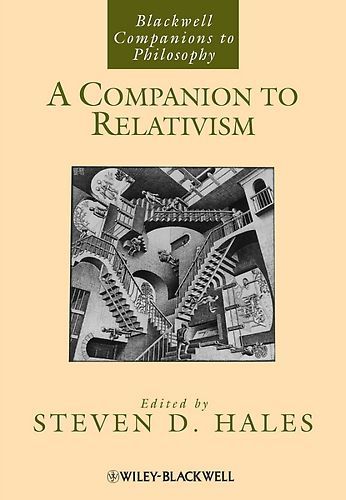
“Relativism is one of philosophy’s oldest — and most polarizing — concepts. It has captivated thinkers since the days of Protagoras (who supported the notion) and Plato (who did not). Relativism is assailed by popes as leading people away from absolute religious truths, and blamed by social commentators for many of society’s ills. With a few notable exceptions, 20th-century philosophers grew to dismiss relativism as an obviously mistaken or even self-refuting concept. But in the past decade, even its staunchest philosophical critics have come to realize that relativism is a legitimate option for explaining a variety of phenomena, including faultless disagreement, the utility of alternative logics, varieties of cross-cultural moralities, and differing ontological conceptual schemes. Reflecting this overdue reappraisal, A Companion to Relativism presents the latest thinking on the role of relativism in the philosophy of language, epistemology, ethics, philosophy of science, logic, and metaphysics. Original contributions to this volume feature cutting edge thinking from a variety of eminent scholars who approach relativism from various perspectives and philosophical subfields”–
Many words and expressions are viewed as ‘taboo’, such as those used to describe sex, our bodies and their functions, and those used to insult other people. This book provides a fascinating insight into taboo language and its role in everyday life. It looks at the ways we use language to be polite or impolite, politically correct or offensive, depending on whether we are ‘sweet-talking’, ‘straight-talking’ or being deliberately rude. Using a range of colourful examples, it shows how we use language playfully and figuratively in order to swear, to insult, and also to be politically correct, and what our motivations are for doing so. It goes on to examine the differences between institutionalized censorship and the ways individuals censor their own language. Lively and revealing, Forbidden Words will fascinate anyone who is interested in how and why we use and avoid taboos in daily conversation.
Nietzsche was surprisingly neglected by most English-language moral philosophers until recently. This volume capitalizes on a growth of interest in Nietzsche’s work on morality from two sides — from scholars of the history of philosophy and from contributors to current debates on ethical theory. In eleven new essays, leading philosophers aim both to advance philosophical understanding of Nietzsche’s ethical views — his normative and meta-ethics, his moral psychology, his views on free will and the nature of the self — and to make Nietzsche a live participant in contemporary debates in ethics and cognate fields.
ما از اخلاق چه انتظاری داریم؟ این سوال شاید تاحدودی برای عموم مردم و یا متخصصان این رشته قابل پاسخ باشد؛ اینکه خوب بودن را به ما بیاموزد و در تنظیم روابط فردی م...

جشن کتاب تهران به ایستگاه سی و یکم رسیده است. حال و احوال نشر کتاب خوب نیست و باید فرهنگدوستان را به خرید و هدیه دادن کتاب ترغیب نمود. خانه اخلاقپژوهان جوان ب...

بنیاد کتابهای اخلاق اسلامی عمدتا پالایش جان از آلودگیها و آراستن آن به زیباییها است. اندیشه محوری این قبیل کتابها آن است که انسان فعلی آنی نیست که باید باشد...

-
0 Comments