Notice: تابع WP_Block_Type_Registry::register به طورنادرست فراخوانی شد. نامهای نوع بلوک نباید حروف بزرگ داشته باشند. لطفاً برای اطلاعات بیشتر، اشکال زدایی در وردپرس را مشاهده کنید. (این پیام در نگارش 5.0.0 افزوده شده است.) in /home/ethicsho/public_html/wp-includes/functions.php on line 5313
Warning: Use of undefined constant TDC_PATH_LEGACY - assumed 'TDC_PATH_LEGACY' (this will throw an Error in a future version of PHP) in /home/ethicsho/public_html/wp-content/plugins/td-composer/td-composer.php on line 109
Warning: Use of undefined constant TDSP_THEME_PATH - assumed 'TDSP_THEME_PATH' (this will throw an Error in a future version of PHP) in /home/ethicsho/public_html/wp-content/plugins/td-composer/td-composer.php on line 113 بایگانیهای Mervyn Frost - خانه اخلاق پژوهان جوان Notice: Trying to access array offset on value of type bool in /home/ethicsho/public_html/wp-content/plugins/wp-ulike/inc/general-functions.php on line 807
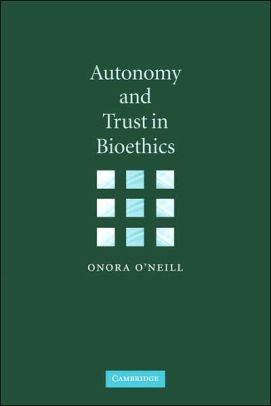
Why has autonomy been a leading idea in philosophical writing on bioethics, and why has trust been marginal? In this important book, Onora O’Neill suggests that the conceptions of individual autonomy so widely relied on in bioethics are philosophically and ethically inadequate, and that they undermine rather than support relations of trust. She shows how Kant’s non-individualistic view of autonomy provides a stronger basis for an approach to medicine, science and biotechnology, and does not marginalize untrustworthiness, while also explaining why trustworthy individuals and institutions are often undeservingly mistrusted. Her arguments are illustrated with issues raised by practices such as the use of genetic information by the police or insurers, research using human tissues, uses of new reproductive technologies, and media practices for reporting on medicine, science and technology. Autonomy and Trust in Bioethics will appeal to a wide range of readers in ethics, bioethics and related disciplines.
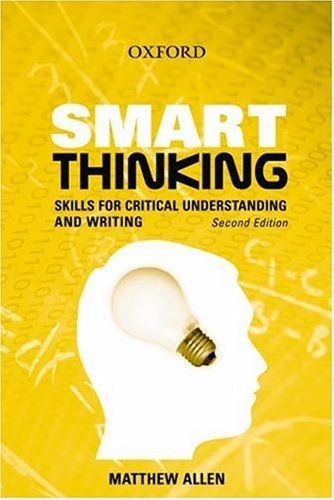
Smart Thinking: Skills for Critical Understanding and Writing 2E is a practical step-by-step guide to improving skills in analysis, critical thinking, and the effective communication of arguments and explanations. The book combines an accessible and straightforward style, with a strong foundation of knowledge. The text treats reasoning as an aspect of communication, not an abstract exercise in logic. The book not only provides detailed advice on how to practise analytical skills, but also demonstrates how these skills can be used in research and writing. In particular, it emphasises how to develop arguments that are coherent and that take account of their audience and context.
ما از اخلاق چه انتظاری داریم؟ این سوال شاید تاحدودی برای عموم مردم و یا متخصصان این رشته قابل پاسخ باشد؛ اینکه خوب بودن را به ما بیاموزد و در تنظیم روابط فردی م...

جشن کتاب تهران به ایستگاه سی و یکم رسیده است. حال و احوال نشر کتاب خوب نیست و باید فرهنگدوستان را به خرید و هدیه دادن کتاب ترغیب نمود. خانه اخلاقپژوهان جوان ب...

بنیاد کتابهای اخلاق اسلامی عمدتا پالایش جان از آلودگیها و آراستن آن به زیباییها است. اندیشه محوری این قبیل کتابها آن است که انسان فعلی آنی نیست که باید باشد...

-
0 Comments