Notice: تابع WP_Block_Type_Registry::register به طورنادرست فراخوانی شد. نامهای نوع بلوک نباید حروف بزرگ داشته باشند. لطفاً برای اطلاعات بیشتر، اشکال زدایی در وردپرس را مشاهده کنید. (این پیام در نگارش 5.0.0 افزوده شده است.) in /home/ethicsho/public_html/wp-includes/functions.php on line 5313
Warning: Use of undefined constant TDC_PATH_LEGACY - assumed 'TDC_PATH_LEGACY' (this will throw an Error in a future version of PHP) in /home/ethicsho/public_html/wp-content/plugins/td-composer/td-composer.php on line 109
Warning: Use of undefined constant TDSP_THEME_PATH - assumed 'TDSP_THEME_PATH' (this will throw an Error in a future version of PHP) in /home/ethicsho/public_html/wp-content/plugins/td-composer/td-composer.php on line 113 بایگانیهای Leslie Stevenson - خانه اخلاق پژوهان جوان Notice: Trying to access array offset on value of type bool in /home/ethicsho/public_html/wp-content/plugins/wp-ulike/inc/general-functions.php on line 807
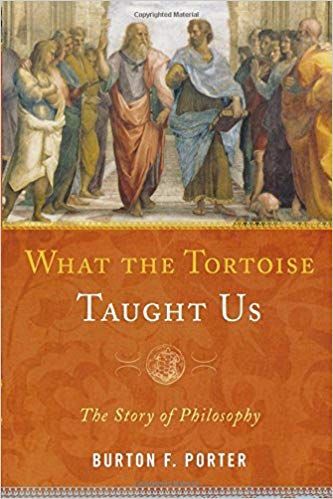
What the Tortoise Taught Us offers a lively, concise journey through Western philosophy that explores the lives of major philosophers, their ideas, and how their thinking continues to influence our lives today. Using a chronological approach, Burton F. Porter shows how various philosophers address life’s big questions. By putting each philosopher and their ideas into historical context, he helps us understand how certain ideas developed based on the thinking of the time and how those ideas have influenced our modern perspectives.Using familiar language and interesting anecdotes, Porter provides an extremely readable and lively history that takes themes that characterize each age to reflect on the greater human experience. The book includes the philosophies and lives of the ancient philosophers such as Socrates, Plato, and Aristotle and continues through time into the Middle Ages with St. Thomas Aquinas to the Renaissance and beyond. Porter explores the metaphysics of Descartes and Hobbes, the epistemology of Hume and Berkeley, and the ethics of Kant and Mill among others. Finally he concludes with contemporary issues, including racism, abortion, and modern feminism.
Each volume of this series of companions to major philosophers contains specially commissioned essays by an international team of scholars, together with a substantial bibliography, and will serve as a reference work for students and non-specialists. One aim of the series is to dispel the intimidation such readers often feel when faced with the work of a difficult and challenging thinker. The essays in this volume provide a systematic survey of Locke’s philosophy informed by the most recent scholarship. They cover Locke’s theory of ideas, his philosophies of body, mind, language, and religion, his theory of knowledge, his ethics, and his political philosophy. There are also chapters on Locke’s life and subsequent influence. New readers and non-specialists will find this the most convenient, accessible guide to Locke currently available.
This major collection of essays stands at the border of aesthetics and ethics and deals with charged issues of practical import: art and morality, the ethics of taste, and censorship. As such its potential interest is by no means confined to professional philosophers; it should also appeal to art historians and critics, literary theorists, and students of film. Prominent philosophers in both aesthetics and ethics tackle a wide array of issues. Some of the questions explored in the volume include: Can art be morally enlightening and, if so, how? If a work of art is morally better does that make it better as art? Is morally deficient art to be shunned, or even censored? Do subjects of artworks have rights as to how they are represented? Do artists have duties as artists and duties as human beings, and if so, to whom? How much tension is there between the demands of art and the demands of life?
ما از اخلاق چه انتظاری داریم؟ این سوال شاید تاحدودی برای عموم مردم و یا متخصصان این رشته قابل پاسخ باشد؛ اینکه خوب بودن را به ما بیاموزد و در تنظیم روابط فردی م...

جشن کتاب تهران به ایستگاه سی و یکم رسیده است. حال و احوال نشر کتاب خوب نیست و باید فرهنگدوستان را به خرید و هدیه دادن کتاب ترغیب نمود. خانه اخلاقپژوهان جوان ب...

بنیاد کتابهای اخلاق اسلامی عمدتا پالایش جان از آلودگیها و آراستن آن به زیباییها است. اندیشه محوری این قبیل کتابها آن است که انسان فعلی آنی نیست که باید باشد...

-
0 Comments