Notice: تابع WP_Block_Type_Registry::register به طورنادرست فراخوانی شد. نامهای نوع بلوک نباید حروف بزرگ داشته باشند. لطفاً برای اطلاعات بیشتر، اشکال زدایی در وردپرس را مشاهده کنید. (این پیام در نگارش 5.0.0 افزوده شده است.) in /home/ethicsho/public_html/wp-includes/functions.php on line 5313
Warning: Use of undefined constant TDC_PATH_LEGACY - assumed 'TDC_PATH_LEGACY' (this will throw an Error in a future version of PHP) in /home/ethicsho/public_html/wp-content/plugins/td-composer/td-composer.php on line 109
Warning: Use of undefined constant TDSP_THEME_PATH - assumed 'TDSP_THEME_PATH' (this will throw an Error in a future version of PHP) in /home/ethicsho/public_html/wp-content/plugins/td-composer/td-composer.php on line 113 بایگانیهای Justin Oakley - خانه اخلاق پژوهان جوان Notice: Trying to access array offset on value of type bool in /home/ethicsho/public_html/wp-content/plugins/wp-ulike/inc/general-functions.php on line 807
Deletelooks at the surprising phenomenon of perfect remembering in the digital age, and reveals why we must reintroduce our capacity to forget. Digital technology empowers us as never before, yet it has unforeseen consequences as well. Potentially humiliating content on Facebook is enshrined in cyberspace for future employers to see. Google remembers everything we’ve searched for and when. The digital realm remembers what is sometimes better forgotten, and this has profound implications for us all.InDelete, Viktor Mayer-Schouml;nberger traces the important role that forgetting has played throughout human history, from the ability to make sound decisions unencumbered by the past to the possibility of second chances. The written word made it possible for humans to remember across generations and time, yet now digital technology and global networks are overriding our natural ability to forget–the past is ever present, ready to be called up at the click of a mouse. Mayer-Schouml;nberger examines the technology that’s facilitating the end of forgetting–digitization, cheap storage and easy retrieval, global access, and increasingly powerful software–and describes the dangers of everlasting digital memory, whether it’s outdated information taken out of context or compromising photos the Web won’t let us forget. He explains why information privacy rights and other fixes can’t help us, and proposes an ingeniously simple solution–expiration dates on information–that may.Deleteis an eye-opening book that will help us remember how to forget in the digital age.
What are the resources and needs, the strengths and the vulnerabilities of patients, of society, or of nature? How do we evaluate the societal potential of scientific discovery? It is fairly well assured that we are influencing the terms of existence of many inhabitants of this planet, from flora to fauna to humans. Moreover, history has shown that while technologies can be used neutrally, they can be (and have been) used to the great benefit – or the great detriment – of human life and the fate of the world as a whole. How various types of knowledge and technological ability will be deployed is up to us, individually and collectively. How such information and ability should be deployed, and for what reasons, are questions at the core of bioethical inquiry. These are the “expanding horizons in bioethics” to which this volume refers. This volume is comprised of fourteen essays. It is a rare gathering of scholarly opinion, featuring well-known experts from a diversity of disciplines. The topics addressed are of immediate concern to the public. The essays ask questions about human nature, genetic technologies, reproductive rights, human subjects research, and environmental issues – all in provocative and challenging new ways. Yet the themes that emerge throughout the volume are of enduring interest to anyone concerned about the interactions of scientific development, ethics, and society. This volume is of interest to students and teachers of bioethics and related topics, as well as to professionals working in these disciplines. “The collection of essays makes an original contribution through the generally very high standard of scholarship of the papers, and through the engagement by those authors with very contemporary issues in bioethics… It is rare that so many highly original views are collected in one volume.” Quote from a pre-publication review.
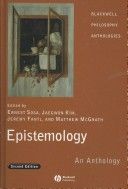
New and thoroughly updated, Epistemology: An Anthology continues to represent the most comprehensive and authoritative collection of canonical readings in the theory of knowledge. Concentrates on the central topics of the field, such as skepticism and the Pyrrhonian problematic, the definition of knowledge, and the structure of epistemic justification Offers coverage of more specific topics, such as foundationalism vs coherentism, and virtue epistemology Presents wholly new sections on ‘Testimony, Memory, and Perception’ and ‘The Value of Knowledge’ Features modified sections on ‘The Structure of Knowledge and Justification’, ‘The Non-Epistemic in Epistemology’, and ‘The Nature of the Epistemic’ Includes many of the most important contributions made in recent decades by several outstanding authors
In the context of the current financial crisis, and at a time of deep global change, growing attention is paid to the global norms and ethical values that could underpin future global policy. Water is a key global resource. At the 3rd Marcelino Botin Foundation Water Workshop, held in Santander, Spain, June 12-14, 2007, the role of ethics in the deep roots, values, and the potential commonalities of the global water policy were discussed. Experts from different cultural, geographic and religious backgrounds considered the different ethical points of view to enhance the debate on how ethical considerations can play a more significant and explicit role in water development and management. Common ground for all contributing authors was considered to be the UN Declaration of 1948, and more specifically the basic aspects related to water ethics: 1. the dignity of every human being and 2. the necessity of solidarity among all human beings.The book is divided in 8 sections which correspond to the papers presented at the Workshop: Some Cultural Traditional Approaches on Water Ethics Some Ethical Aspects of New Water Management Water as a Human Right and as an Economic Resource Water and Poverty Groundwater Use and its Ethical Aspects Ethics of Water Ownership and Management Corruption, Transparency and Participation in the Water Sector Ethical Aspects of Unforeseen and Extreme Events Management such as Floods and Droughts
ما از اخلاق چه انتظاری داریم؟ این سوال شاید تاحدودی برای عموم مردم و یا متخصصان این رشته قابل پاسخ باشد؛ اینکه خوب بودن را به ما بیاموزد و در تنظیم روابط فردی م...

جشن کتاب تهران به ایستگاه سی و یکم رسیده است. حال و احوال نشر کتاب خوب نیست و باید فرهنگدوستان را به خرید و هدیه دادن کتاب ترغیب نمود. خانه اخلاقپژوهان جوان ب...

بنیاد کتابهای اخلاق اسلامی عمدتا پالایش جان از آلودگیها و آراستن آن به زیباییها است. اندیشه محوری این قبیل کتابها آن است که انسان فعلی آنی نیست که باید باشد...

-
0 Comments