Notice: تابع WP_Block_Type_Registry::register به طورنادرست فراخوانی شد. نامهای نوع بلوک نباید حروف بزرگ داشته باشند. لطفاً برای اطلاعات بیشتر، اشکال زدایی در وردپرس را مشاهده کنید. (این پیام در نگارش 5.0.0 افزوده شده است.) in /home/ethicsho/public_html/wp-includes/functions.php on line 5313
Warning: Use of undefined constant TDC_PATH_LEGACY - assumed 'TDC_PATH_LEGACY' (this will throw an Error in a future version of PHP) in /home/ethicsho/public_html/wp-content/plugins/td-composer/td-composer.php on line 109
Warning: Use of undefined constant TDSP_THEME_PATH - assumed 'TDSP_THEME_PATH' (this will throw an Error in a future version of PHP) in /home/ethicsho/public_html/wp-content/plugins/td-composer/td-composer.php on line 113 بایگانیهای Jane Adamson - خانه اخلاق پژوهان جوان Notice: Trying to access array offset on value of type bool in /home/ethicsho/public_html/wp-content/plugins/wp-ulike/inc/general-functions.php on line 807
When philosophers address personal identity, they usually explore numerical identity: what are the criteria for a person’s continuing existence? When non-philosophers address personal identity, they often have in mind narrative identity: Which characteristics of a particular person are salient to her self-conception? This book develops accounts of both senses of identity, arguing that both are normatively important, and is unique in its exploration of a range of issues in bioethics through the lens of identity. Defending a biological view of our numerical identity and a framework for understanding narrative identity, DeGrazia investigates various issues for which considerations of identity prove critical: the definition of death; the authority of advance directives in cases of severe dementia; the use of enhancement technologies; prenatal genetic interventions; and certain types of reproductive choices. He demonstrates the power of personal identity theory to illuminate issues in bioethics as they bring philosophical theory to life.
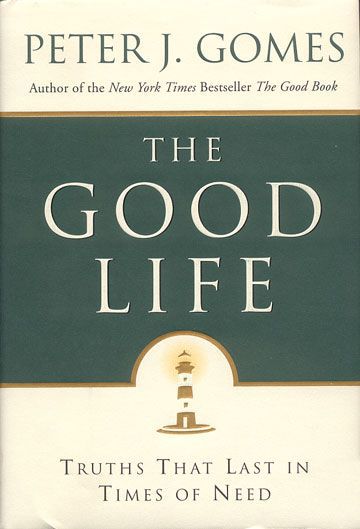
Urges readers to adopt deeper truths and more significant values, and challenges the allure of wealth and power, blind faith in science, and the desire for success, freedom, immortality, and personal happiness.
John Stuart Mill’sUtilitarianismis one of the most important philosophical works of the nineteenth century. Its advocacy of utilitarianism–the view that individual and political action should be directed at the “greatest happiness”–not only influenced political life, but attracted a great deal of criticism. This is the first book dedicated to the interpretation and critical discussion of this significant work.
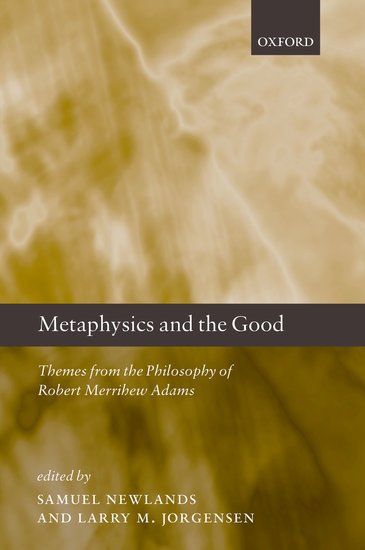
Throughout his philosophical career at Michigan, UCLA, Yale, and Oxford, Robert Merrihew Adams’s wide-ranging contributions have deeply shaped the structure of debates in metaphysics, philosophy of religion, history of philosophy, and ethics. Metaphysics and the Good: Themes from the Philosophy of Robert Merrihew Adams provides, for the first time, a collection of original essays by leading philosophers dedicated to exploring many of the facets of Adams’s thought, a philosophical outlook that combines Christian theism, neo-Platonism, moral realism, metaphysical idealism, and a commitment to both historical sensitivity and rigorous analytic engagement. Tied together by their aim of exploring, expanding, and experimenting with Adams’s views, these eleven essays are coupled with an intellectual autobiography by Adams himself that was commissioned especially for this volume. As the introduction to the volume explains, the purpose of Metaphysics and the Good is to explore Adams’s work in the very manner that he prescribes for understanding the ideas of others. By experimenting with Adams’s conclusions, “pulling a string here to see what moves over there, so to speak,” as Adams puts it, our authors throw into greater relief what makes Adams such an original and stimulating philosopher. In doing so, these essays contribute not only to the exploration of Adams’s continuing interests, but they also advance original and important philosophical insights of their own.
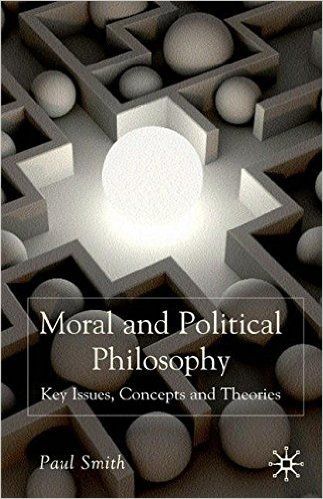
Paul Smith’s clear and concise introduction provides a comprehensive and incisive examination of key concepts and theories in moral and political philosophy. With a clear focus on the essentials of each topic, he presupposes no prior knowledge and relates moral philosophy to social and political issues. Chapters can be read independently, but are interconnected, enabling students to develop a coherent understanding of the subject, including: – the controversial and topical practical issues of drug laws, justifications of punishment, civil disobedience and whether there is a duty to obey the law, and global poverty. – key concepts in moral and political theory: liberty, reasons for laws that limit liberty (harm to others, offence, harm to self, and harmless wrongdoing), rights, equality and social justice. – critical evaluation of moral and political theories: moral relativism, utilitarianism, Kantian moral philosophy, and Rawls’s theory of justice, together with libertarian and egalitarian criticisms of Rawls.
ما از اخلاق چه انتظاری داریم؟ این سوال شاید تاحدودی برای عموم مردم و یا متخصصان این رشته قابل پاسخ باشد؛ اینکه خوب بودن را به ما بیاموزد و در تنظیم روابط فردی م...

جشن کتاب تهران به ایستگاه سی و یکم رسیده است. حال و احوال نشر کتاب خوب نیست و باید فرهنگدوستان را به خرید و هدیه دادن کتاب ترغیب نمود. خانه اخلاقپژوهان جوان ب...

بنیاد کتابهای اخلاق اسلامی عمدتا پالایش جان از آلودگیها و آراستن آن به زیباییها است. اندیشه محوری این قبیل کتابها آن است که انسان فعلی آنی نیست که باید باشد...

-
0 Comments