Notice: تابع WP_Block_Type_Registry::register به طورنادرست فراخوانی شد. نامهای نوع بلوک نباید حروف بزرگ داشته باشند. لطفاً برای اطلاعات بیشتر، اشکال زدایی در وردپرس را مشاهده کنید. (این پیام در نگارش 5.0.0 افزوده شده است.) in /home/ethicsho/public_html/wp-includes/functions.php on line 5313
Warning: Use of undefined constant TDC_PATH_LEGACY - assumed 'TDC_PATH_LEGACY' (this will throw an Error in a future version of PHP) in /home/ethicsho/public_html/wp-content/plugins/td-composer/td-composer.php on line 109
Warning: Use of undefined constant TDSP_THEME_PATH - assumed 'TDSP_THEME_PATH' (this will throw an Error in a future version of PHP) in /home/ethicsho/public_html/wp-content/plugins/td-composer/td-composer.php on line 113 بایگانیهای George D. Catalano - خانه اخلاق پژوهان جوان Notice: Trying to access array offset on value of type bool in /home/ethicsho/public_html/wp-content/plugins/wp-ulike/inc/general-functions.php on line 807
In 1972, the young philosopher Peter Singer published “Famine, Affluence and Morality,” which rapidly became one of the most widely discussed essays in applied ethics. Through this article, Singer presents his view that we have the same moral obligations to those far away as we do to those close to us. He argued that choosing not to send life-saving money to starving people on the other side of the earth is the moral equivalent of neglecting to save drowning children because we prefer not to muddy our shoes. If we can help, we must–and any excuse is hypocrisy. Singer’s extreme stand on our moral obligations to others became a powerful call to arms and continues to challenge people’s attitudes towards extreme poverty. Today, it remains a central touchstone for those who argue we should all help others more than we do. As Bill and Melinda Gates observe in their foreword, in the age of today’s global philanthropy, Singer’s essay is as relevant now as it ever was. This attractively packaged, concise edition collects the original article, two of Singer’s more recent popular writings on our obligations to others around the world, and a new introduction by Singer that discusses his current thinking.
“In this book, Michael Lynch argues that truth does matter, in both our personal and political lives. Lynch explains that the growing cynicism over truth stems in large part from our confusion over what truth is.” “True to Life defends four simple claims : that truth is objective; that it is good to believe what is true; that truth is a goal worthy of inquiry; and that truth can be worth caring about for its own sake – not just because it gets us other things we want. In defense of these “truisms about truth,” Lynch diagnoses the sources of our cynicism and argues that many contemporary theories of truth cannot adequately account for its value. He explains why we should care about truth, arguing that truth and its pursuit are part of living a happy life, important in our personal relationships and for our political values.”–BOOK JACKET.
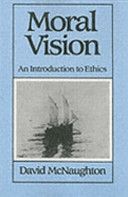
This book introduces the reader to ethics by examining a current and important debate. During the last fifty years the orthodox position in ethics has been a broadly non-cognitivist one: since there are no moral facts, moral remarks are best understood, not as attempting to describe the world, but as having some other function – such as expressing the attitudes or preferences of the speaker. In recent years this position has been increasingly challenged by moral realists who maintain that there are moral facts; there is a truth of the matter in ethics, which is independent of our views, and which we seek to discover. Unfortunately much of this interesting debate found in the work of McDowell, Wiggins, Putnam, Blackburn and others is not easily accessible to undergraduates. McNaughton presents many of the major issues in ethics by way of a clear exposition of both sides of this argument and assumes no prior knowledge of philosophy. Topics discussed include: moral observation, moral motivation, amoralism and wickedness, moral weakness, cultural relativism and utilitarianism. The book concludes that a convincing case can be made out for a radical form of moral realism in which moral virtue is found, not in the following of correct moral principles, but rather in the development of moral sensitivity. Moral Vision is a clear and engaged introduction to an important, and often troubling, debate.
ما از اخلاق چه انتظاری داریم؟ این سوال شاید تاحدودی برای عموم مردم و یا متخصصان این رشته قابل پاسخ باشد؛ اینکه خوب بودن را به ما بیاموزد و در تنظیم روابط فردی م...

جشن کتاب تهران به ایستگاه سی و یکم رسیده است. حال و احوال نشر کتاب خوب نیست و باید فرهنگدوستان را به خرید و هدیه دادن کتاب ترغیب نمود. خانه اخلاقپژوهان جوان ب...

بنیاد کتابهای اخلاق اسلامی عمدتا پالایش جان از آلودگیها و آراستن آن به زیباییها است. اندیشه محوری این قبیل کتابها آن است که انسان فعلی آنی نیست که باید باشد...

-
0 Comments