Notice: تابع WP_Block_Type_Registry::register به طورنادرست فراخوانی شد. نامهای نوع بلوک نباید حروف بزرگ داشته باشند. لطفاً برای اطلاعات بیشتر، اشکال زدایی در وردپرس را مشاهده کنید. (این پیام در نگارش 5.0.0 افزوده شده است.) in /home/ethicsho/public_html/wp-includes/functions.php on line 5313
Warning: Use of undefined constant TDC_PATH_LEGACY - assumed 'TDC_PATH_LEGACY' (this will throw an Error in a future version of PHP) in /home/ethicsho/public_html/wp-content/plugins/td-composer/td-composer.php on line 109
Warning: Use of undefined constant TDSP_THEME_PATH - assumed 'TDSP_THEME_PATH' (this will throw an Error in a future version of PHP) in /home/ethicsho/public_html/wp-content/plugins/td-composer/td-composer.php on line 113 بایگانیهای Diane Raymond - خانه اخلاق پژوهان جوان Notice: Trying to access array offset on value of type bool in /home/ethicsho/public_html/wp-content/plugins/wp-ulike/inc/general-functions.php on line 807
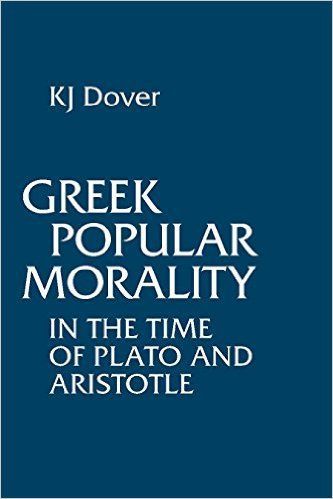
In ancient Greece, as today, popular moral attitudes differed importantly from the theories of moral philosophers. While for the latter we have Plato and Aristotle, this insightful work explores the everyday moral conceptions to which orators appealed in court and political assemblies, and which were reflected in non-philosophical literature. Oratory and comedy provide the primary testimony, and reference is also made to Sophocles, Euripides, Herodotus, Thucydides, Xenophon, and other sources. The selection of topics, the contrasts and comparisons with modern religious, social and legal principles, and accessibility to the non-specialist ensure the work’s appeal to all readers with an interest in ancient Greek culture and social life.
What happens when we engage with fictional characters? How do our imaginative engagements bear on our actions in the wider world? Moving between the literary and the philosophical, Sophie Ratcliffe onsiders the ways in which readers feel when they read, and how they understand ideas of feeling. On Sympathy uses dramatic monologues based on The Tempest as its focus, and broaches questions about fictional belief, morality, and the dynamics between readers, writers, and fictional characters. The book challenges conventionally accepted ideas of literary identification and sympathy, and asks why the idea of sympathy has been seen as so important to liberal humanist theories of literary value. Individual chapters on Robert Browning, W. H. Auden, and Samuel Beckett, who all drew on Shakespeare’s late play, offer new readings of some major works, while the book’s epilogue tackles questions of contemporary sympathy. Ranging from the nineteenth century to the present day, this important new study sets out to clarify and challenge current assumptions about reading and sympathetic belief, shedding new light on the idea and ideal of sympathy, the workings of affect and allusion, and the ethics of reading.
Containing material from hundreds of highly distinguished contributors representing the world’s top universities and institutions, the second edition has a truly global perspective. It contains more than 2,100 entries — including more than 450 new articles. Among the many topics covered are African, Islamic, Jewish, Russian, Chinese, and Buddhist philosophies; bioethics and biomedical ethics; art and aesthetics; epistemology; metaphysics; peace and war; social and political philosophy; the Holocaust; feminist thought; and much more. Additionally, the second edition also features 1,000 biographical entries on major figures in philosophical thought throughout history.
ما از اخلاق چه انتظاری داریم؟ این سوال شاید تاحدودی برای عموم مردم و یا متخصصان این رشته قابل پاسخ باشد؛ اینکه خوب بودن را به ما بیاموزد و در تنظیم روابط فردی م...

جشن کتاب تهران به ایستگاه سی و یکم رسیده است. حال و احوال نشر کتاب خوب نیست و باید فرهنگدوستان را به خرید و هدیه دادن کتاب ترغیب نمود. خانه اخلاقپژوهان جوان ب...

بنیاد کتابهای اخلاق اسلامی عمدتا پالایش جان از آلودگیها و آراستن آن به زیباییها است. اندیشه محوری این قبیل کتابها آن است که انسان فعلی آنی نیست که باید باشد...

-
0 Comments