Notice: تابع WP_Block_Type_Registry::register به طورنادرست فراخوانی شد. نامهای نوع بلوک نباید حروف بزرگ داشته باشند. لطفاً برای اطلاعات بیشتر، اشکال زدایی در وردپرس را مشاهده کنید. (این پیام در نگارش 5.0.0 افزوده شده است.) in /home/ethicsho/public_html/wp-includes/functions.php on line 5313
Warning: Use of undefined constant TDC_PATH_LEGACY - assumed 'TDC_PATH_LEGACY' (this will throw an Error in a future version of PHP) in /home/ethicsho/public_html/wp-content/plugins/td-composer/td-composer.php on line 109
Warning: Use of undefined constant TDSP_THEME_PATH - assumed 'TDSP_THEME_PATH' (this will throw an Error in a future version of PHP) in /home/ethicsho/public_html/wp-content/plugins/td-composer/td-composer.php on line 113 بایگانیهای Brian Duignan - خانه اخلاق پژوهان جوان Notice: Trying to access array offset on value of type bool in /home/ethicsho/public_html/wp-content/plugins/wp-ulike/inc/general-functions.php on line 807
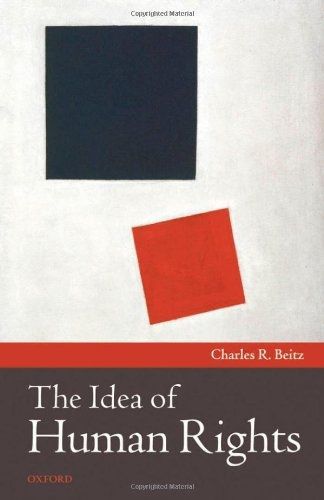
Human rights have become one of the most important moral concepts in global political life over the last 60 years. Charles Beitz, one of the world’s leading philosophers, offers a compelling new examination of the idea of a human right.–
Unmatched in scholarship and scope, The International Encyclopedia of Ethics is the definitive single-source reference work on Ethics, available both in print and online. Comprises over 700 entries, ranging from 1000 to 10,000 words in length, written by an international cast of subject experts Is arranged across 9 fully cross-referenced volumes including a comprehensive index Provides clear definitions and explanations of all areas of ethics including the topics, movements, arguments, and key figures in Normative Ethics, Metaethics, and Practical Ethics Covers the major philosophical and religious traditions Offers an unprecedented level of authority, accuracy and balance with all entries being blind peer-reviewed
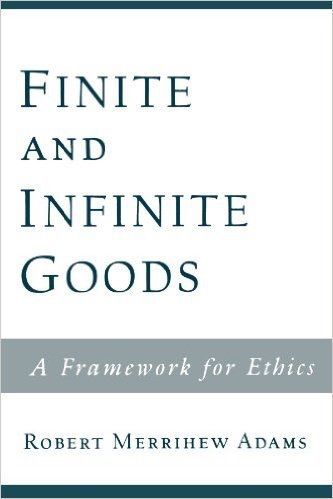
Renowned scholar Robert Adams explores the relation between religion and ethics through a comprehensive philosophical account of a theistically-based framework for ethics. Adams’ framework begins with the good rather than the right, and with excellence rather than usefulness. He argues that loving the excellent, of which adoring God is a clear example, is the most fundamental aspect of a life well lived. Developing his original and detailed theory, Adams contends that devotion, the sacred, grace, martyrdom, worship, vocation, faith, and other concepts drawn from religious ethics have been sorely overlooked in moral philosophy and can enrich the texture of ethical thought.
Human beings have the unique ability to consciously reflect on the nature of the self. But reflection has its costs. We can ask what the self is, but as David Hume pointed out, the self, once reflected upon, may be nowhere to be found. The favored view is that we are material beings living in the material world. But if so, a host of destabilizing questions surface. If persons are just a sophisticated sort of animal, then what sense is there to the idea that we are free agents who control our own destinies? What makes the life of any animal, even one as sophisticated as Homo sapiens, worth anything? What place is there in a material world for God? And if there is no place for a God, then what hold can morality possibly have on us–why isn’t everything allowed? Flanagan’s collection of essays takes on these questions and more. He continues the old philosophical project of reconciling a scientific view of ourselves with a view of ourselves as agents of free will and meaning-makers. But to this project he brings the latest insights of neuroscience, cognitive science, and psychiatry, exploring topics such as whether the conscious mind can be explained scientifically, whether dreams are self-expressive or just noise, the moral socialization of children, and the nature of psychological phenomena such as multiple personality disorder and false memory syndrome. What emerges from these explorations is a liberating vision which can make sense of the self, agency, character transformation, and the value and worth of human life. Flanagan concludes that nothing about a scientific view of persons must lead to nihilism.
ما از اخلاق چه انتظاری داریم؟ این سوال شاید تاحدودی برای عموم مردم و یا متخصصان این رشته قابل پاسخ باشد؛ اینکه خوب بودن را به ما بیاموزد و در تنظیم روابط فردی م...

جشن کتاب تهران به ایستگاه سی و یکم رسیده است. حال و احوال نشر کتاب خوب نیست و باید فرهنگدوستان را به خرید و هدیه دادن کتاب ترغیب نمود. خانه اخلاقپژوهان جوان ب...

بنیاد کتابهای اخلاق اسلامی عمدتا پالایش جان از آلودگیها و آراستن آن به زیباییها است. اندیشه محوری این قبیل کتابها آن است که انسان فعلی آنی نیست که باید باشد...

-
0 Comments