Notice: تابع WP_Block_Type_Registry::register به طورنادرست فراخوانی شد. نامهای نوع بلوک نباید حروف بزرگ داشته باشند. لطفاً برای اطلاعات بیشتر، اشکال زدایی در وردپرس را مشاهده کنید. (این پیام در نگارش 5.0.0 افزوده شده است.) in /home/ethicsho/public_html/wp-includes/functions.php on line 5313
Warning: Use of undefined constant TDC_PATH_LEGACY - assumed 'TDC_PATH_LEGACY' (this will throw an Error in a future version of PHP) in /home/ethicsho/public_html/wp-content/plugins/td-composer/td-composer.php on line 109
Warning: Use of undefined constant TDSP_THEME_PATH - assumed 'TDSP_THEME_PATH' (this will throw an Error in a future version of PHP) in /home/ethicsho/public_html/wp-content/plugins/td-composer/td-composer.php on line 113 بایگانیهای Bernard Hoose - خانه اخلاق پژوهان جوان Notice: Trying to access array offset on value of type bool in /home/ethicsho/public_html/wp-content/plugins/wp-ulike/inc/general-functions.php on line 807
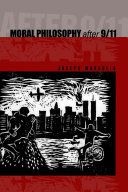
Were the perpetrators of the 9/11 attacks courageous “freedom fighters” or despicable terrorist murderers? Eschewing the resort to universal moral principles favored by traditional Anglo-American analytic philosophy, Joseph Margolis sets out to sketch an alternative approach that accepts the lack of any neutral ground or privileged normative perspective for deciding moral disputes.
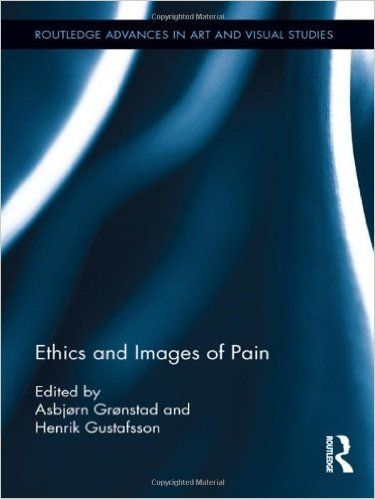
Few phenomena are as formative of our experience of the visual world as displays of suffering. But what does it mean to have an ethical experience of disturbing or traumatizing images? What kind of ethical proposition does an image of pain mobilize? How may the spectator learn from and make use of the painful image as a source of ethical reflection? Engaging with a wide range of visual media–from painting, theatre, and sculpture, to photography, film, and video–this interdisciplinary collection of essays by leading and emerging scholars of visual culture offers a reappraisal of the increasingly complex relationship between images of pain and the ethics of viewing. Ethics and Images of Pain reconsiders the persistent and ever pertinent nexus of aesthetics and ethics, the role of painful images as generators of unpredictable forms of affect, the moral transformation of spectatorship, the ambivalence of the witness and the representation of afflication as a fundamental form of our shared scopic experience. The instructive and illuminating essays in the collection introduce a phenomenological context in which to make sense of our current ecology of excruciating images, one that accentuates notions of responsibility, empathy, and imagination. Contributors trace the images of pain across a miscellany of case studies, and amongst the topics addressed are: the work of artists as disparate as Doris Salcedo, Anselm Kiefer and Bendik Riis; photographs from Abu Ghraib and Rwanda; Hollywood war films and animated documentaries; performances of self-immolations and incidents of police brutality captured on mobile phones.
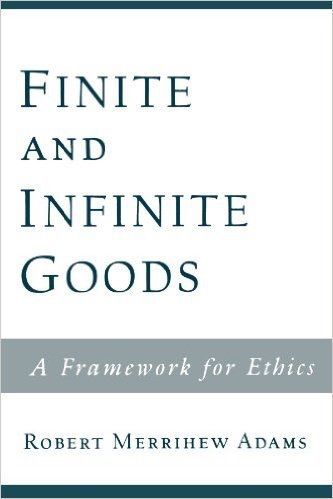
Renowned scholar Robert Adams explores the relation between religion and ethics through a comprehensive philosophical account of a theistically-based framework for ethics. Adams’ framework begins with the good rather than the right, and with excellence rather than usefulness. He argues that loving the excellent, of which adoring God is a clear example, is the most fundamental aspect of a life well lived. Developing his original and detailed theory, Adams contends that devotion, the sacred, grace, martyrdom, worship, vocation, faith, and other concepts drawn from religious ethics have been sorely overlooked in moral philosophy and can enrich the texture of ethical thought.
ما از اخلاق چه انتظاری داریم؟ این سوال شاید تاحدودی برای عموم مردم و یا متخصصان این رشته قابل پاسخ باشد؛ اینکه خوب بودن را به ما بیاموزد و در تنظیم روابط فردی م...

جشن کتاب تهران به ایستگاه سی و یکم رسیده است. حال و احوال نشر کتاب خوب نیست و باید فرهنگدوستان را به خرید و هدیه دادن کتاب ترغیب نمود. خانه اخلاقپژوهان جوان ب...

بنیاد کتابهای اخلاق اسلامی عمدتا پالایش جان از آلودگیها و آراستن آن به زیباییها است. اندیشه محوری این قبیل کتابها آن است که انسان فعلی آنی نیست که باید باشد...

-
0 Comments