Notice: تابع WP_Block_Type_Registry::register به طورنادرست فراخوانی شد. نامهای نوع بلوک نباید حروف بزرگ داشته باشند. لطفاً برای اطلاعات بیشتر، اشکال زدایی در وردپرس را مشاهده کنید. (این پیام در نگارش 5.0.0 افزوده شده است.) in /home/ethicsho/public_html/wp-includes/functions.php on line 5313
Warning: Use of undefined constant TDC_PATH_LEGACY - assumed 'TDC_PATH_LEGACY' (this will throw an Error in a future version of PHP) in /home/ethicsho/public_html/wp-content/plugins/td-composer/td-composer.php on line 109
Warning: Use of undefined constant TDSP_THEME_PATH - assumed 'TDSP_THEME_PATH' (this will throw an Error in a future version of PHP) in /home/ethicsho/public_html/wp-content/plugins/td-composer/td-composer.php on line 113 بایگانیهای Bartha Maria Knoppers - خانه اخلاق پژوهان جوان Notice: Trying to access array offset on value of type bool in /home/ethicsho/public_html/wp-content/plugins/wp-ulike/inc/general-functions.php on line 807
After World War II, U.S. policy experts–convinced that unchecked population growth threatened global disaster–successfully lobbied bipartisan policy-makers in Washington to initiate federally-funded family planning. In Intended Consequences, Donald T. Critchlow deftly chronicles how the government’s involvement in contraception and abortion evolved into one of the most bitter, partisan controversies in American political history. The growth of the feminist movement in the late 1960s fundamentally altered the debate over the federal family planning movement, shifting its focus from population control directed by established interests in the philanthropic community to highly polarized pro-abortion and anti-abortion groups mobilized at the grass-roots level. And when the Supreme Court granted women the Constitutional right to legal abortion in 1973, what began as a bi-partisan, quiet revolution during the administrations of Kennedy and Johnson exploded into a contentious argument over sexuality, welfare, the role of women, and the breakdown of traditional family values. Intended Consequences encompasses over four decades of political history, examining everything from the aftermath of the Republican “moral revolution” during the Reagan and Bush years to the current culture wars concerning unwed motherhood, homosexuality, and the further protection of women’s abortion rights. Critchlow’s carefully balanced appraisal of federal birth control and abortion policy reveals that despite the controversy, the family planning movement has indeed accomplished much in the way of its intended goal–the reduction of population growth in many parts of the world. Written with authority, fresh insight, and impeccable research, Intended Consequences skillfully unfolds the history of how the federal government found its way into the private bedrooms of the American family.
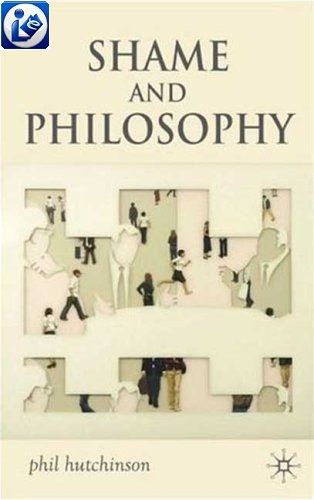
Engaging with current research in the philosophy of emotions, both analytic and continental, the author argues that reductionist accounts of emotions leave us in a state of poverty regarding our understanding of our world and of ourselves.
What is objectivity? What is the rule of law? Are the operations of legal systems objective? If so, in what ways and to what degrees are they objective? Does anything of importance depend on the objectivity of law? These are some of the principal questions addressed by Matthew H. Kramer in this lucid and wide-ranging study that introduces readers to vital areas of philosophical enquiry.
What is the status of belief in God? Must a rational case be made or can such belief be properly basic? Is it possible to reconcile the concept of a good God with evil and suffering? In light of great differences among religions, can only one religion be true? The most comprehensive work of its kind, Reason and Religious Belief, now in its fourth edition, explores these and other perennial questions in the philosophy of religion. Drawing from the best in both classical and contemporary discussions, the authors examine religious experience, faith and reason, the divine attributes, arguments for and against the existence of God, divine action (in various forms of theism), Reformed epistemology, religious language, religious diversity, religion and science, and much more. Retaining the engaging style and thorough coverage of previous editions, the fourth edition adds a critical new chapter on the ontological status of religion and the nature of religious claims. It also features revised treatments of omnipotence, miracles, and providence and updated suggestions for further reading. A sophisticated yet accessible introduction, Reason and Religious Belief, Fourth Edition, is ideally suited for use with the authors’ companion anthology, Philosophy of Religion: Selected Readings, Third Edition (OUP, 2006).
ما از اخلاق چه انتظاری داریم؟ این سوال شاید تاحدودی برای عموم مردم و یا متخصصان این رشته قابل پاسخ باشد؛ اینکه خوب بودن را به ما بیاموزد و در تنظیم روابط فردی م...

جشن کتاب تهران به ایستگاه سی و یکم رسیده است. حال و احوال نشر کتاب خوب نیست و باید فرهنگدوستان را به خرید و هدیه دادن کتاب ترغیب نمود. خانه اخلاقپژوهان جوان ب...

بنیاد کتابهای اخلاق اسلامی عمدتا پالایش جان از آلودگیها و آراستن آن به زیباییها است. اندیشه محوری این قبیل کتابها آن است که انسان فعلی آنی نیست که باید باشد...

-
0 Comments