Notice: تابع WP_Block_Type_Registry::register به طورنادرست فراخوانی شد. نامهای نوع بلوک نباید حروف بزرگ داشته باشند. لطفاً برای اطلاعات بیشتر، اشکال زدایی در وردپرس را مشاهده کنید. (این پیام در نگارش 5.0.0 افزوده شده است.) in /home/ethicsho/public_html/wp-includes/functions.php on line 5313
Warning: Use of undefined constant TDC_PATH_LEGACY - assumed 'TDC_PATH_LEGACY' (this will throw an Error in a future version of PHP) in /home/ethicsho/public_html/wp-content/plugins/td-composer/td-composer.php on line 109
Warning: Use of undefined constant TDSP_THEME_PATH - assumed 'TDSP_THEME_PATH' (this will throw an Error in a future version of PHP) in /home/ethicsho/public_html/wp-content/plugins/td-composer/td-composer.php on line 113 بایگانیهای Arthur W. Galston - خانه اخلاق پژوهان جوان Notice: Trying to access array offset on value of type bool in /home/ethicsho/public_html/wp-content/plugins/wp-ulike/inc/general-functions.php on line 807
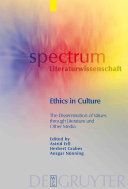
Alongside the recent cultural turn in the humanities, there has been a noticeable return to ethical considerations. With regard to literature as well as other media, this has rekindled awareness of a tension, antagonism, or even disparity between ethics and aesthetics. This volume of articles takes a more systematic and cross-disciplinary approach to the widely mooted ethical turn in literature and other media than has been pursued so far. It brings together a wide range of critical perspectives from literary studies, media and cultural memory studies, and philosophy, tracing the complex and sometimes conflicting relationship between ethics and aesthetics in theoretical contexts and individual case studies as diverse as colonial architecture, nineteenth-century literary histories, and postmodern writing and art.
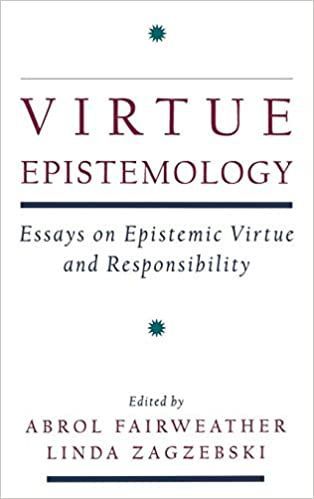
Virtue epistemology is an exciting, new movement receiving an enormous amount of attention from top epistemologists and ethicists; this pioneering volume reflects the best work in that vein. Featuring superb writing from contemporary American philosophers, it includes thirteen never before published essays that focus on the place of the concept of virtue in epistemology. In recent years, philosophers have been debating how this concept functions in definitions of knowledge. They question the extent to which knowledge is both normative (i.e., with a moral component) and non-normative, and many of them dispute the focus on justification, which has proven to be too restrictive. Epistemologists are searching for a way to combine the traditional concepts of ethical theory with epistemic concepts; the result is a new approach called virtue epistemology–one that has established itself as a particularly favorable alternative. Containing the fruits of recent study on virtue epistemology, this volume offers a superb selection of contributors–including Robert Audi, Simon Blackburn, Richard Foley, Alvin Goldman, Hilary Kornblith, Keith Lehrer, Ernest Sosa, and Linda Zagzebski–whose work brings epistemology into dialogue with everyday issues.
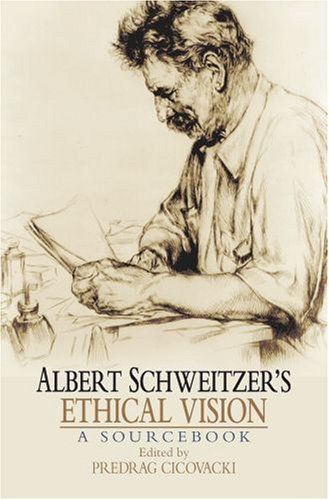
The philosophy of Albert Schweitzer has proved widely influential in modern thinking, especially in the field of ethics. His leading ethical idea can be summarized in the phrase “reverence for life” – namely, that good consists in maintaining and perfecting life, and evil consists in destroying and obstructing life. For Schweitzer, all life is sacred. Ethics thus deals with human attitudes and behavior toward all living beings. Unlike many moral philosophers, Schweitzer argues that knowledge of human nature does not provide a sufficient foundation for any adequate moral theory. That is why he bases his ethics on much broader foundations, articulated in his philosophy of civilization and the philosophy of religion. Schweitzer argues that the material aspect of our civilization has become far more important than its spiritual counterpart. Even organized religion has put itself in the service of politics and economy, thereby losing its vitality and moral authority. Schweitzer’s ethics of reverence for life, argues Predrag Cicovacki, offers a viable alternative at a time when traditional ethical theories are found inadequate. Schweitzer’s robust and un-dogmatic idealism may offer the best antidote to the prevailing relativism and nihilism of the postmodern epoch. His ethical vision directs us toward a new way of building a more just and more peaceful world. Collecting sixteen of Schweitzer’s most effective essays, this volume serves as a compelling introduction to this remarkable thinker and humanist.
ما از اخلاق چه انتظاری داریم؟ این سوال شاید تاحدودی برای عموم مردم و یا متخصصان این رشته قابل پاسخ باشد؛ اینکه خوب بودن را به ما بیاموزد و در تنظیم روابط فردی م...

جشن کتاب تهران به ایستگاه سی و یکم رسیده است. حال و احوال نشر کتاب خوب نیست و باید فرهنگدوستان را به خرید و هدیه دادن کتاب ترغیب نمود. خانه اخلاقپژوهان جوان ب...

بنیاد کتابهای اخلاق اسلامی عمدتا پالایش جان از آلودگیها و آراستن آن به زیباییها است. اندیشه محوری این قبیل کتابها آن است که انسان فعلی آنی نیست که باید باشد...

-
0 Comments