Notice: تابع WP_Block_Type_Registry::register به طورنادرست فراخوانی شد. نامهای نوع بلوک نباید حروف بزرگ داشته باشند. لطفاً برای اطلاعات بیشتر، اشکال زدایی در وردپرس را مشاهده کنید. (این پیام در نگارش 5.0.0 افزوده شده است.) in /home/ethicsho/public_html/wp-includes/functions.php on line 5313
Warning: Use of undefined constant TDC_PATH_LEGACY - assumed 'TDC_PATH_LEGACY' (this will throw an Error in a future version of PHP) in /home/ethicsho/public_html/wp-content/plugins/td-composer/td-composer.php on line 109
Warning: Use of undefined constant TDSP_THEME_PATH - assumed 'TDSP_THEME_PATH' (this will throw an Error in a future version of PHP) in /home/ethicsho/public_html/wp-content/plugins/td-composer/td-composer.php on line 113 بایگانیهای Aaron Quinn - خانه اخلاق پژوهان جوان Notice: Trying to access array offset on value of type bool in /home/ethicsho/public_html/wp-content/plugins/wp-ulike/inc/general-functions.php on line 807
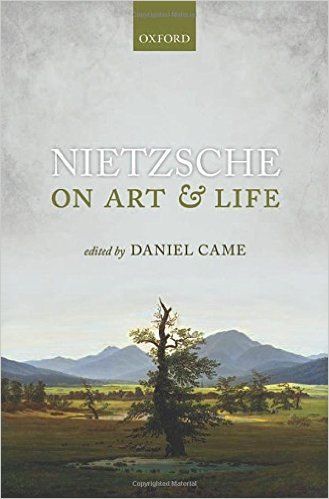
Nietzsche was not interested in the nature of art as such, or in providing an aesthetic theory of a traditional sort. For he regarded the significance of art to lie not in l’art pour l’art, but in the role that it might be play in enabling us positively to “revalue” the world and human experience. This volume brings together a number of distinguished figures in contemporary Anglo-American Nietzsche scholarship to examine his views on art and the aesthetic in the context of this wider philosophical project. All of the major themes of Nietzsche’s aesthetics are discussed: art and the affirmation of life, the relationship between art and truth, music, tragedy, the nature of aesthetic experience, the role of art in Nietzsche’s positive ethics, his critique of romanticism, and his ambivalent attitude towards Richard Wagner.–
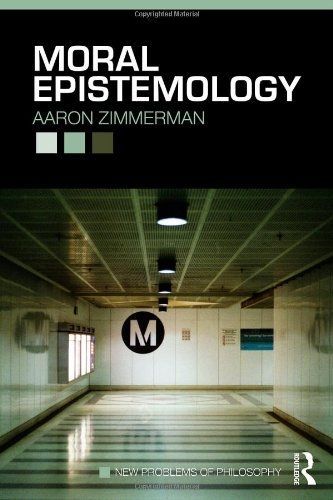
How do we know right from wrong? Do we even have moral knowledge? Moral epistemology studies these and related questions about our understanding of virtue and vice. It is one of philosophy’s perennial problems, reaching back to Plato, Aristotle, Aquinas, Locke, Hume and Kant, and has recently been the subject of intense debate as a result of findings in developmental and social psychology.In this outstanding introduction to the subject Aaron Zimmerman covers the following key topics: What is moral epistemology? What are its methods? Including a discussion of Socrates, Gettier and contemporary theories of knowledgeSkepticism about moral knowledge based on the anthropological record of deep and persistent moral disagreement, including contextualismMoral nihilism, including debates concerning God and morality and the relation between moral knowledge and our motives and reasons to act morallyEpistemic moral scepticism, intuitionism and the possibility of inferring ‘ought’ from ‘is,’ discussing the views of Locke, Hume, Kant, Ross, Audi, Thomson, Harman, Sturgeon and many othersHow children acquire moral concepts and become more reliable judges.Criticisms of those who would reduce moral knowledge to value-neutral knowledge or attempt to replace moral belief with emotion.Throughout the book Zimmerman argues that our belief in moral knowledge can survive sceptical challenges. He also draws on a rich range of examples from Plato’s Meno and Dickens’s David Copperfield to Bernard Madoff and Saddam Hussein.Including chapter summaries and annotated further reading at the end of each chapter, Moral Epistemology is essential reading for all students of ethics, epistemology and moral psychology.
Throughout history, men have repeatedly made judgments regarding their own conduct and that of their fellow men. Some acts have been judged to be right or good, while other acts have been denounced as wrong or evil. Ethical judgment in medicine, as in other areas of life, is an attempt to distinguish between good and bad conduct.This book is based on three lectures given by the author as the Medical Director of Eye Clinic Singapura International. The first lecture was an address delivered to medical undergraduates at the National University of Singapore in 1975. The second was a Commonwealth Medical Association lecture delivered a decade ago. The third was a Singapore Medical Association lecture delivered in 1981. This volume, emphasizing the principles of medical ethics, has been kept simple and brief, and it is hoped that it will make interesting reading for both medical professionals and the general public.
ما از اخلاق چه انتظاری داریم؟ این سوال شاید تاحدودی برای عموم مردم و یا متخصصان این رشته قابل پاسخ باشد؛ اینکه خوب بودن را به ما بیاموزد و در تنظیم روابط فردی م...

جشن کتاب تهران به ایستگاه سی و یکم رسیده است. حال و احوال نشر کتاب خوب نیست و باید فرهنگدوستان را به خرید و هدیه دادن کتاب ترغیب نمود. خانه اخلاقپژوهان جوان ب...

بنیاد کتابهای اخلاق اسلامی عمدتا پالایش جان از آلودگیها و آراستن آن به زیباییها است. اندیشه محوری این قبیل کتابها آن است که انسان فعلی آنی نیست که باید باشد...

-
0 Comments