Notice: تابع WP_Block_Type_Registry::register به طورنادرست فراخوانی شد. نامهای نوع بلوک نباید حروف بزرگ داشته باشند. لطفاً برای اطلاعات بیشتر، اشکال زدایی در وردپرس را مشاهده کنید. (این پیام در نگارش 5.0.0 افزوده شده است.) in /home/ethicsho/public_html/wp-includes/functions.php on line 5313
Warning: Use of undefined constant TDC_PATH_LEGACY - assumed 'TDC_PATH_LEGACY' (this will throw an Error in a future version of PHP) in /home/ethicsho/public_html/wp-content/plugins/td-composer/td-composer.php on line 109
Warning: Use of undefined constant TDSP_THEME_PATH - assumed 'TDSP_THEME_PATH' (this will throw an Error in a future version of PHP) in /home/ethicsho/public_html/wp-content/plugins/td-composer/td-composer.php on line 113 بایگانیهای Will - History - خانه اخلاق پژوهان جوان Notice: Trying to access array offset on value of type bool in /home/ethicsho/public_html/wp-content/plugins/wp-ulike/inc/general-functions.php on line 807
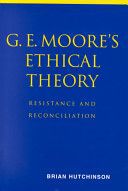
This is a comprehensive study of the ethics of G. E. Moore, the most important English-speaking ethicist of the twentieth century. Mooreās ethical project, set out in his seminal text Principia Ethica, is to preserve common moral insight from scepticism and, in effect, persuade his readers to accept the objective character of goodness. Brian Hutchinson explores Mooreās arguments in detail and in the process relates the ethical thought to Mooreās anti-sceptical epistemology. Moore was, without perhaps fully realizing it, sceptical about the very enterprise of philosophy itself, and in this regard, as Brian Hutchinson reveals, was much closer in his thinking to Wittgenstein than has been previously realized. This book shows Mooreās ethical work to be much richer and more sophisticated than his critics have acknowledged.
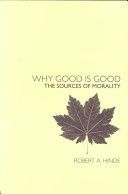
Where do our moral beliefs come from? Theologians and scientists provide often conflicting answers. Robert Hinde resolves these conflicts in offering a groundbreaking, multidisciplinary response, drawing on psychology, philosophy, evolutionary biology and social anthropology. Hinde argues that understanding the origins of our morality can clarify the debates surrounding contemporary ethical dilemmas such as genetic modification, increasing consumerism and globalization.
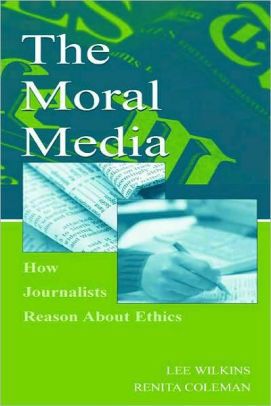
“Andrew Sayer undertakes a fundamental critique of social science’s difficulties in acknowledging that people’s relation to the world is one of concern. As sentient beings, capable of flourishing and suffering, and particularly vulnerable to how others treat us, our view of the world is substantially evaluative. Yet modernist ways of thinking encourage the common but extraordinary belief that values are beyond reason, and merely subjective or matters of convention, with little or nothing to do with the kind of beings people are, the quality of their social relations, their material circumstances or well-being. The author shows how social theory and philosophy need to change to reflect the complexity of everyday ethical concerns and the importance people attach to dignity. He argues for a robustly critical social science that explains and evaluates social life from the standpoint of human flourishing”–
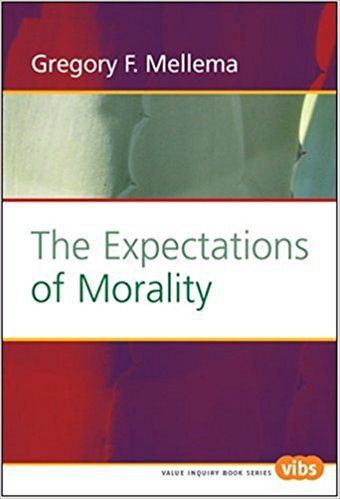
ما از اخلاق چه انتظاری داریم؟ این سوال شاید تاحدودی برای عموم مردم و یا متخصصان این رشته قابل پاسخ باشد؛ اینکه خوب بودن را به ما بیاموزد و در تنظیم روابط فردی م...

جشن کتاب تهران به ایستگاه سی و یکم رسیده است. حال و احوال نشر کتاب خوب نیست و باید فرهنگدوستان را به خرید و هدیه دادن کتاب ترغیب نمود. خانه اخلاقپژوهان جوان ب...

بنیاد کتابهای اخلاق اسلامی عمدتا پالایش جان از آلودگیها و آراستن آن به زیباییها است. اندیشه محوری این قبیل کتابها آن است که انسان فعلی آنی نیست که باید باشد...

-
0 Comments