Notice: تابع WP_Block_Type_Registry::register به طورنادرست فراخوانی شد. نامهای نوع بلوک نباید حروف بزرگ داشته باشند. لطفاً برای اطلاعات بیشتر، اشکال زدایی در وردپرس را مشاهده کنید. (این پیام در نگارش 5.0.0 افزوده شده است.) in /home/ethicsho/public_html/wp-includes/functions.php on line 5313
Warning: Use of undefined constant TDC_PATH_LEGACY - assumed 'TDC_PATH_LEGACY' (this will throw an Error in a future version of PHP) in /home/ethicsho/public_html/wp-content/plugins/td-composer/td-composer.php on line 109
Warning: Use of undefined constant TDSP_THEME_PATH - assumed 'TDSP_THEME_PATH' (this will throw an Error in a future version of PHP) in /home/ethicsho/public_html/wp-content/plugins/td-composer/td-composer.php on line 113 بایگانیهای Torture - Religious Aspects - خانه اخلاق پژوهان جوان Notice: Trying to access array offset on value of type bool in /home/ethicsho/public_html/wp-content/plugins/wp-ulike/inc/general-functions.php on line 807
Russell Hardin presents a new explication of David Hume’s moral and political theory. With Hume, he holds that our normative views can be scientifically explained but they cannot be justified as true. Hume argued for the psychological basis of such views. In particular, he argued for sympathy as the mirroring of the psychological sensations and emotions of others. By placing Hume in the developing tradition of social science, as a strong forerunner of his younger friend Adam Smith, Hardin demonstrates Hume’s strong strategic sense, his nascent utilitarianism, his powerful theory of convention as a main source of social and political order, and his recognition of moral and political theory as a single enterprise.
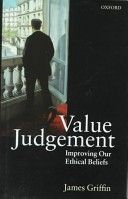
How can we improve our ethical beliefs? How great are our capacities for moral improvement? What constitutes a good life? What role can philosophy play in answering these questions? In this important new book, one of our leading moral philosophers looks at central issues of ethics and emerges with the fullest and most elegant account of his fundamental ethical theory. James Griffin examines influential schools of ethical thought and finds deontology, virtue ethics, and most forms of utilitarianism to be overly ambitious. He argues that ethics cannot be what philosophers in these traditions expect because agents cannot be what the philosophies need them to be. Clear, compelling, and original, this new account of ethics will be of interest to anyone concerned with thinking about values: not only philosophers but legal, political, and economic theorists as well.
‘These essays, including a masterful introduction by the editors & a useful glossary of Pali terms, constitute a rich addition to the emerging field of comparative religion ethics & demonstrate the fruitfulness of collaborative studies.’–Journal of Religion.
What is ethics? Where does it come from? Can we really hope to find any rational way of deciding how we ought to live? If we can, what would it be like, and how are we going to know when we have found it? To capture the essentials of what we know about the origins and nature of ethics, Peter Singer has drawn on anthropology, evolution, game theory, and works of fiction, in addition to the classic moral philosophy of such thinkers as Nietzsche, Kant, and Confucius. By choosing some of the finest pieces of writing, old and new, in and about ethics, he conveys the intellectual excitement of the search for answers to basic questions about how we ought to live. From the debates of Socrates and the profound writing of Rousseau to Jane Goodall’s reflections on the ethics of chimpanzee kinship and Luther’s commentary on the Sixth Commandment (thou shalt not kill), this engaging reader offers a complete and thorough introduction to the fascinating world of ethical debate.
ما از اخلاق چه انتظاری داریم؟ این سوال شاید تاحدودی برای عموم مردم و یا متخصصان این رشته قابل پاسخ باشد؛ اینکه خوب بودن را به ما بیاموزد و در تنظیم روابط فردی م...

جشن کتاب تهران به ایستگاه سی و یکم رسیده است. حال و احوال نشر کتاب خوب نیست و باید فرهنگدوستان را به خرید و هدیه دادن کتاب ترغیب نمود. خانه اخلاقپژوهان جوان ب...

بنیاد کتابهای اخلاق اسلامی عمدتا پالایش جان از آلودگیها و آراستن آن به زیباییها است. اندیشه محوری این قبیل کتابها آن است که انسان فعلی آنی نیست که باید باشد...

-
0 Comments