
Notice: تابع WP_Block_Type_Registry::register به طورنادرست فراخوانی شد. نامهای نوع بلوک نباید حروف بزرگ داشته باشند. لطفاً برای اطلاعات بیشتر، اشکال زدایی در وردپرس را مشاهده کنید. (این پیام در نگارش 5.0.0 افزوده شده است.) in /home/ethicsho/public_html/wp-includes/functions.php on line 5313
Warning: Use of undefined constant TDC_PATH_LEGACY - assumed 'TDC_PATH_LEGACY' (this will throw an Error in a future version of PHP) in /home/ethicsho/public_html/wp-content/plugins/td-composer/td-composer.php on line 109
Warning: Use of undefined constant TDSP_THEME_PATH - assumed 'TDSP_THEME_PATH' (this will throw an Error in a future version of PHP) in /home/ethicsho/public_html/wp-content/plugins/td-composer/td-composer.php on line 113 بایگانیهای Thought And Thinking - خانه اخلاق پژوهان جوان Notice: Trying to access array offset on value of type bool in /home/ethicsho/public_html/wp-content/plugins/wp-ulike/inc/general-functions.php on line 807
In this book, S. A. Lloyd offers a radically new interpretation of Hobbes’s laws of nature, revealing them to be not egoistic precepts of personal prudence but rather moral instructions for obtaining the common good. This account of Hobbes’s moral philosophy stands in contrast to both divine command and rational choice interpretations. Drawing from the core notion of reciprocity, Lloyd explains Hobbes’s system of “cases in the law of nature” and situates Hobbes’s moral philosophy in the broader context of his political philosophy and views on religion. Offering ingenious new arguments, Lloyd defends a reciprocity interpretation of the laws of nature through which humanity’s common good is secured.
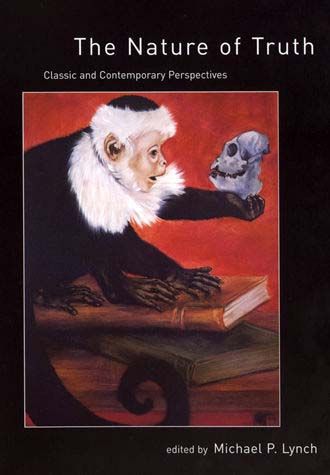
“What is truth?” has long been the philosophical question par excellence. The Nature of Truth collects in one volume the twentieth century’s most influential philosophical work on the subject. The coverage strikes a balance between classic works and the leading edge of current philosophical research.The essays center around two questions: Does truth have an underlying nature? And if so, what sort of nature does it have? Thus the book discusses both traditional and deflationary theories of truth, as well as phenomenological, postmodern, and pluralist approaches to the problem. The essays are organized by theory. Each of the seven sections opens with a detailed introduction that not only discusses the essays in that section but relates them to other relevant essays in the book. Eleven of the essays are previously unpublished or substantially revised. The book also includes suggestions for further reading.Contributors:Linda Martin Alcoff, William P. Alston, J. L. Austin, Brand Blanshard, Marian David, Donald Davidson, Michael Devitt, Michael Dummett, Hartry Field, Michel Foucault, Dorothy Grover, Anil Gupta, Martin Heidegger, Terence Horgan, Jennifer Hornsby, Paul Horwich, William James, Michael P. Lynch, Charles Sanders Pierce, Hilary Putnam, W. V. O. Quine, F. P. Ramsey, Richard Rorty, Bertrand Russell, Scott Soames, Ernest Sosa, P. F. Strawson, Alfred Tarski, Ralph C. Walker, Crispin Wright.
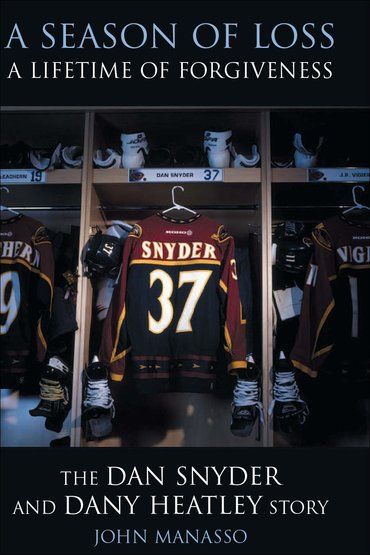
This narrative about two boys from different backgrounds touches on family, forgiveness, sport, and making peace with tragedy. Dan Snyder was not a sure thing in professional hockey, but defied expectations—playing for both the minor league’s Chicago Wolves and the NHL’s Atlanta Thrashers. Dany Heatley, on the other hand, had been tapped for success from the start as a college star and high draft pick. The two made an unlikely pair, but became friends. In September of 2003, the then 22-year-old Heatley lost control of his speeding Ferrari; Snyder was thrown from the vehicle and died six days later. The loss of their teammate, friend, and son sent those who knew Snyder looking for healing or revenge. As the legal story unfolds, so too does a story of forgiveness, rooted in the Canadian Mennonite tradition from which Snyder hailed. Snyder’s family, taking an approach to their loss dictated by their faith, chose to make peace with both Heatley and his parents. This story of forgiveness reveals a lesson in loss, hope, and peace in the face of tragedy.
ما از اخلاق چه انتظاری داریم؟ این سوال شاید تاحدودی برای عموم مردم و یا متخصصان این رشته قابل پاسخ باشد؛ اینکه خوب بودن را به ما بیاموزد و در تنظیم روابط فردی م...

جشن کتاب تهران به ایستگاه سی و یکم رسیده است. حال و احوال نشر کتاب خوب نیست و باید فرهنگدوستان را به خرید و هدیه دادن کتاب ترغیب نمود. خانه اخلاقپژوهان جوان ب...

بنیاد کتابهای اخلاق اسلامی عمدتا پالایش جان از آلودگیها و آراستن آن به زیباییها است. اندیشه محوری این قبیل کتابها آن است که انسان فعلی آنی نیست که باید باشد...

-
0 Comments