Notice: تابع WP_Block_Type_Registry::register به طورنادرست فراخوانی شد. نامهای نوع بلوک نباید حروف بزرگ داشته باشند. لطفاً برای اطلاعات بیشتر، اشکال زدایی در وردپرس را مشاهده کنید. (این پیام در نگارش 5.0.0 افزوده شده است.) in /home/ethicsho/public_html/wp-includes/functions.php on line 5313
Warning: Use of undefined constant TDC_PATH_LEGACY - assumed 'TDC_PATH_LEGACY' (this will throw an Error in a future version of PHP) in /home/ethicsho/public_html/wp-content/plugins/td-composer/td-composer.php on line 109
Warning: Use of undefined constant TDSP_THEME_PATH - assumed 'TDSP_THEME_PATH' (this will throw an Error in a future version of PHP) in /home/ethicsho/public_html/wp-content/plugins/td-composer/td-composer.php on line 113 بایگانیهای Sociology - Methodology - خانه اخلاق پژوهان جوان Notice: Trying to access array offset on value of type bool in /home/ethicsho/public_html/wp-content/plugins/wp-ulike/inc/general-functions.php on line 807
Suicide has long posed problems for philosophy. Philosophers, such Albert Camus, have situated in the center of the debate about metaphysics and the meaning of life. Hegel understood death to be the raison d’etre of philosophical project. And scores of other since them have treated suicide as central to the West’s understanding of itself. InContemplating Suicide, Gavin Fairbairn takes a fresh and philosophical look at suicide. He examines the nomenclature of suicide, and how the language of suicide affects our understanding and denigration of “suicidal bodies.” Fairbairn offers cogent reasons for abandoning the mindless use of terms such asattempted suicideandparasuicide, and introduces a number of terms includingcosmic roulette, which he uses to describe a family of human acts in which people gamble with their lives. By elaborating a richer model of suicidal self harm than most philosophers and most practitioners of caring professionscurrently inhabit, Fairbairn has contributed to the development of understanding in this area. Among other things a richer model and vocabulary may reduce the likelihood that those who come into contact with suicidal self harm, will believe that familiarity with the physical facts of the matter – the actions of the suicider and the presence or absence of a corpse – is always sufficient to justify a definite conclusion about the nature of the self harming act.
‘It’s all relative’. In a world of increasing cultural diversity, it can seem that everything is indeed relative. But should we concede that there is no such thing as right and wrong, and no objective truth? Can we reconcile relativism and pluralism? Relativism surveys the different varieties of relativism and the arguments for and against them, and examines why relativism has survived for two thousand years despite all the criticisms levelled against it. Beginning with a historical overview of relativism, from Pythagoras in ancient Greece to Derrida and postmodernism, Maria Baghramian explores the resurgence of relativism throughout the history of philosophy. She then turns to the arguments for and against the many subdivisions of relativism, including Kuhn and Feyerabend’s ideas of relativism in science, Rorty’s relativism about truth, and the conceptual relativism of Quine and Putnam. Baghramian questions whether moral relativism leads to moral indifference or even nihilism, and whether feminist epistemology’s concerns about the very notion of objectivity can be considered a form of relativism. She concludes the relativism debate by assessing the recent criticisms such as Quine’s argument from translation and Davidson’s claim that even the motivations behind relativism are unintelligible. Finding these criticisms lacking, Baghramian proposes a moderate form of pluralism which addresses the legitimate worries that give rise to relativism without incurring charges of nihilism or anarchy. Relativism is essential reading for anyone interested in contemporary philosophy, sociology and politics.
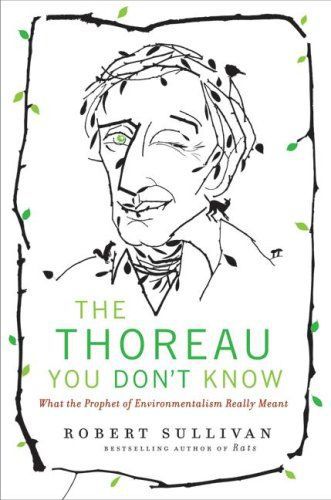
“Thoreau is one of those authors that readers think they know, even if they don’t. He’s the solitary curmudgeon with the shack out in the woods, the mystic worshipping solemnly in the quiet church of nature. He’s our national Natural Man, the prophet of environmentalism. But here Robert Sullivan–who himself has been called an ‘urban Thoreau’ (New York Times Book Review) –presents the Thoreau you don’t know: the activist, the organizer, the gregarious adventurer, the guy who likes to go camping with friends (even if they sometimes accidentally burn the woods down). Sullivan shows us not a lonely eccentric but a man in his growing village, and argues that Walden was a book intended to revive America, a communal work forever pigeonholed as a reclusive one–and that this misreading is at the heart of our troubled relationship with the environment today.”–From publisher description.
ما از اخلاق چه انتظاری داریم؟ این سوال شاید تاحدودی برای عموم مردم و یا متخصصان این رشته قابل پاسخ باشد؛ اینکه خوب بودن را به ما بیاموزد و در تنظیم روابط فردی م...

جشن کتاب تهران به ایستگاه سی و یکم رسیده است. حال و احوال نشر کتاب خوب نیست و باید فرهنگدوستان را به خرید و هدیه دادن کتاب ترغیب نمود. خانه اخلاقپژوهان جوان ب...

بنیاد کتابهای اخلاق اسلامی عمدتا پالایش جان از آلودگیها و آراستن آن به زیباییها است. اندیشه محوری این قبیل کتابها آن است که انسان فعلی آنی نیست که باید باشد...

-
0 Comments