Notice: تابع WP_Block_Type_Registry::register به طورنادرست فراخوانی شد. نامهای نوع بلوک نباید حروف بزرگ داشته باشند. لطفاً برای اطلاعات بیشتر، اشکال زدایی در وردپرس را مشاهده کنید. (این پیام در نگارش 5.0.0 افزوده شده است.) in /home/ethicsho/public_html/wp-includes/functions.php on line 5313
Warning: Use of undefined constant TDC_PATH_LEGACY - assumed 'TDC_PATH_LEGACY' (this will throw an Error in a future version of PHP) in /home/ethicsho/public_html/wp-content/plugins/td-composer/td-composer.php on line 109
Warning: Use of undefined constant TDSP_THEME_PATH - assumed 'TDSP_THEME_PATH' (this will throw an Error in a future version of PHP) in /home/ethicsho/public_html/wp-content/plugins/td-composer/td-composer.php on line 113 بایگانیهای Quotations/ Translations Into English - خانه اخلاق پژوهان جوان Notice: Trying to access array offset on value of type bool in /home/ethicsho/public_html/wp-content/plugins/wp-ulike/inc/general-functions.php on line 807
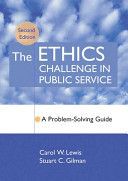
Since it was first published in 1991, The Ethics Challenge in Public Service has become a classic text used by public managers and in public management programs across the country. This second edition is filled with practical tools and techniques for making ethical choices in the ambiguous, pressured world of public service. It explores the day-to-day ethical dilemmas managers face in their work, including what to do when rules recommend one action and compassion another, and whether it is ethical to dissent from agency policy. This essential text explores managers’ accountability to different stakeholders and how to balance the often competing responsibilities.
On its first appearance in 1960, the Concise Encyclopedia of Western Philosophy established itself as a classic; this third edition builds on its original strengths but brings it completely up to date. The Concise Encyclopedia offers a lively, readable, comprehensive and authoritative treatment of Western philosophy as a whole, incorporating scintillating articles by many leading philosophical authors. It serves not only as a convenient reference work, but also as an engaging introduction to philosophy.
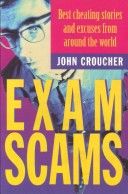
— More than two-thirds of the student population admits to cheating on examsEveryone hates taking exams; and there are always a few bad seeds in every class who will try to avoid them at all costs. Exam Scams contains a myriad of cheating tips and excuses for skipping class on exam day. From underwear inspections to student riots, this uncovers the most ingenious and outrageous ways that students attempt to dodge exams, assist their memories during them, and explain poor marks after they’re all over. The old excuse that “the dog ate my notes” won’t cut it in today’s classrooms. Therefore, students must devise much more creative excuses and cheating methods. This book is filled with original deceits from students around the globe. Though none of these scams are guaranteed to work, Exam Scams is hilarious reading for any student who has taken an exam and for every teacher who has graded a paper.
Because of the didactic nature of the historical genre, many scholars ancient and modern have seen connections between history and rhetoric. So far, discussion has centered on fifth-century authors — Herodotus and Thucydides, along with the sophists and early philosophers. Pownall extends the focus of this discussion into an important period. By focusing on key intellectuals and historians of the fourth century (Plato and the major historians — Xenophon, Ephorus, and Theopompus), she examines how these prose writers created an aristocratic version of the past as an alternative to the democratic version of the oratorical tradition.Frances Pownall is Professor of History and Classics, University of Alberta.
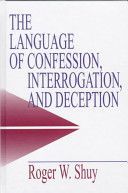
Using a linguistic point of view, The Language of Confession, Interrogation, and Deception is a practical explanation of how confessions work, written by the “father of forensic linguistics”, Roger W. Shuy. Using his 1993 benchmark work, Language Crimes as his model, Shuy examines criminal confessions, the interrogations that elicit them, and the deceptive language that plays a role in the confession event. He presents transcripts from numerous interrogations and analyzes how language is used, how constitutional rights are not protected, consistency and truthfulness, suggestibility, written confessions, as well as unvalidated confessions. He concludes the volume with explicit advice on how to conduct interrogations that will yield credible evidence. A landmark volume with cross-disciplinary applications, The Language of Confession, Interrogation, and Deception is useful for professionals and academics in linguistics, forensic linguistics, criminal justice, communication, and interpersonal violence.
ما از اخلاق چه انتظاری داریم؟ این سوال شاید تاحدودی برای عموم مردم و یا متخصصان این رشته قابل پاسخ باشد؛ اینکه خوب بودن را به ما بیاموزد و در تنظیم روابط فردی م...

جشن کتاب تهران به ایستگاه سی و یکم رسیده است. حال و احوال نشر کتاب خوب نیست و باید فرهنگدوستان را به خرید و هدیه دادن کتاب ترغیب نمود. خانه اخلاقپژوهان جوان ب...

بنیاد کتابهای اخلاق اسلامی عمدتا پالایش جان از آلودگیها و آراستن آن به زیباییها است. اندیشه محوری این قبیل کتابها آن است که انسان فعلی آنی نیست که باید باشد...

-
0 Comments