Notice: تابع WP_Block_Type_Registry::register به طورنادرست فراخوانی شد. نامهای نوع بلوک نباید حروف بزرگ داشته باشند. لطفاً برای اطلاعات بیشتر، اشکال زدایی در وردپرس را مشاهده کنید. (این پیام در نگارش 5.0.0 افزوده شده است.) in /home/ethicsho/public_html/wp-includes/functions.php on line 5313
Warning: Use of undefined constant TDC_PATH_LEGACY - assumed 'TDC_PATH_LEGACY' (this will throw an Error in a future version of PHP) in /home/ethicsho/public_html/wp-content/plugins/td-composer/td-composer.php on line 109
Warning: Use of undefined constant TDSP_THEME_PATH - assumed 'TDSP_THEME_PATH' (this will throw an Error in a future version of PHP) in /home/ethicsho/public_html/wp-content/plugins/td-composer/td-composer.php on line 113 بایگانیهای Politics - Current Events - خانه اخلاق پژوهان جوان Notice: Trying to access array offset on value of type bool in /home/ethicsho/public_html/wp-content/plugins/wp-ulike/inc/general-functions.php on line 807
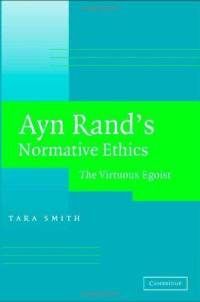
Ayn Rand is well known for advocating egoism, but the substance of that egoisms instruction is rarely understood. Far from representing the rejection of morality, selfishness, in Rands view, actually demands the practice of a systematic code of ethics. This book explains the fundamental virtues that Rand considers vital for a person to achieve his objective well-being: rationality, honesty, independence, justice, integrity, productiveness, and pride. Tara Smith examines what each of these virtues consists in, why it is a virtue, and what it demands of a person in practice.
Why did a group of teenagers watch a friend die instead of putting their own reputations at risk? Why did a top White House official decide to come clean and accept a prison sentence during Watergate? Why did a finance executive turn down millions out of respect for her employer? Why are some willing to risk their futures to uphold principles? What gives us the strength to stand up for what we believe? As these questions suggest, the topic of moral courage is front and center in today’s culture. Enron, Arthur Andersen, the U.S. Olympic Committee, abusive priests, cheating students, domestic violence — all these remind us that taking ethical stands should be a higher priority in our culture. Why, when people discern wrongdoing, are they sometimes unready, unable, or unwilling to act? In a book rich with examples, Rushworth Kidder reveals that moral courage is the bridge between talking ethics and doing ethics. Defining it as a readiness to endure danger for the sake of principle, he explains that the courage to act is found at the intersection of three elements: action based on core values, awareness of the risks, and a willingness to endure necessary hardship. By exploring how moral courage spurs us to strive for core values, he demonstrates the benefits of ethical action to the individual and to society — and the severe consequences that can result from remaining morally dormant. Moral Courage puts indispensable concepts and tools into our hands, equipping us to respond to the increasingly complicated moral challenges we face at work, at home, and in our communities. It enables us to make clear, confident decisions by exploring some litmus-test questions: Is the benefit worth the risk? Am I motivated by my desire to uphold my beliefs or just to impose them on others? Will my actions create collateral damage among those with no stake in the outcome? While physical courage may no longer be a necessary survival skill or an essential rite of passage out of childhood, few would dispute the growing need for moral courage as the true gauge of maturity. Treating this subject not as an esoteric branch of philosophy but as a practical necessity for modern life, Kidder deftly leads us to a clear understanding of what moral courage is, what it does, and how to get it.
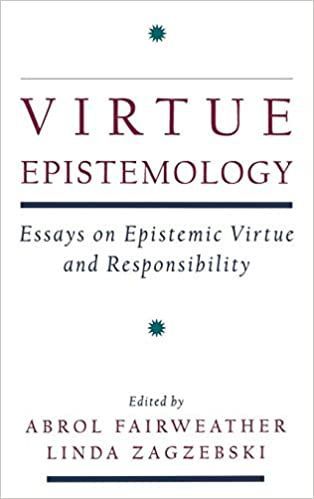
Virtue epistemology is an exciting, new movement receiving an enormous amount of attention from top epistemologists and ethicists; this pioneering volume reflects the best work in that vein. Featuring superb writing from contemporary American philosophers, it includes thirteen never before published essays that focus on the place of the concept of virtue in epistemology. In recent years, philosophers have been debating how this concept functions in definitions of knowledge. They question the extent to which knowledge is both normative (i.e., with a moral component) and non-normative, and many of them dispute the focus on justification, which has proven to be too restrictive. Epistemologists are searching for a way to combine the traditional concepts of ethical theory with epistemic concepts; the result is a new approach called virtue epistemology–one that has established itself as a particularly favorable alternative. Containing the fruits of recent study on virtue epistemology, this volume offers a superb selection of contributors–including Robert Audi, Simon Blackburn, Richard Foley, Alvin Goldman, Hilary Kornblith, Keith Lehrer, Ernest Sosa, and Linda Zagzebski–whose work brings epistemology into dialogue with everyday issues.
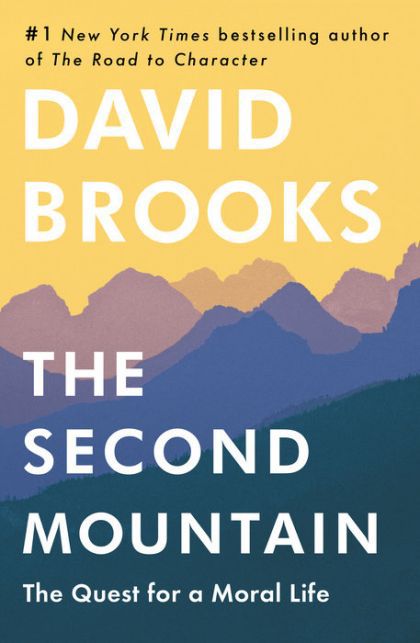
Conservative columnist David Brooks explores the four commitments that define a life of meaning and purpose: to a spouse and family, to a vocation, to a philosophy or faith, and to a community. Our personal fulfillment depends on how well we choose and execute these commitments. Brooks looks at a range of people who have lived joyous, committed lives, and who have embraced the necessity and beauty of dependence. He gathers their wisdom on how to choose a partner, how to pick a vocation, how to live out a philosophy, and how we can begin to integrate our commitments into one overriding purpose.
ما از اخلاق چه انتظاری داریم؟ این سوال شاید تاحدودی برای عموم مردم و یا متخصصان این رشته قابل پاسخ باشد؛ اینکه خوب بودن را به ما بیاموزد و در تنظیم روابط فردی م...

جشن کتاب تهران به ایستگاه سی و یکم رسیده است. حال و احوال نشر کتاب خوب نیست و باید فرهنگدوستان را به خرید و هدیه دادن کتاب ترغیب نمود. خانه اخلاقپژوهان جوان ب...

بنیاد کتابهای اخلاق اسلامی عمدتا پالایش جان از آلودگیها و آراستن آن به زیباییها است. اندیشه محوری این قبیل کتابها آن است که انسان فعلی آنی نیست که باید باشد...

-
0 Comments