Notice: تابع WP_Block_Type_Registry::register به طورنادرست فراخوانی شد. نامهای نوع بلوک نباید حروف بزرگ داشته باشند. لطفاً برای اطلاعات بیشتر، اشکال زدایی در وردپرس را مشاهده کنید. (این پیام در نگارش 5.0.0 افزوده شده است.) in /home/ethicsho/public_html/wp-includes/functions.php on line 5313
Warning: Use of undefined constant TDC_PATH_LEGACY - assumed 'TDC_PATH_LEGACY' (this will throw an Error in a future version of PHP) in /home/ethicsho/public_html/wp-content/plugins/td-composer/td-composer.php on line 109
Warning: Use of undefined constant TDSP_THEME_PATH - assumed 'TDSP_THEME_PATH' (this will throw an Error in a future version of PHP) in /home/ethicsho/public_html/wp-content/plugins/td-composer/td-composer.php on line 113 بایگانیهای Philosophy, American/ 19th Century - خانه اخلاق پژوهان جوان Notice: Trying to access array offset on value of type bool in /home/ethicsho/public_html/wp-content/plugins/wp-ulike/inc/general-functions.php on line 807
Recently, the first “zoopharming” product has reached market approval: it is a recombinant human protein for medical use that is produced in the milk of transgenic goats. In addition, other transgenic animals, including faster-growing salmon and „environmentally friendly” pigs with reduced levels of phosphate in their faeces are awaiting regulatory approval. These are only some examples of upcoming applications of genetic engineering in farm animals. Other potential applications include traditional breeding goals such as higher milk or meat yields, leaner meat, and disease resistance. While genetic engineering in livestock opens a huge range of possibilities, it also brings about concerns of safety and justification: does genetic engineering affect animal welfare? Is it safe and morally acceptable to apply genetic engineering to farm animals for the various purposes that are envisaged? It is against this background that the Europaische Akademie GmbH and the Berlin-Brandenburgische Akademie der Wissenschaften addressed the topic of transgenic farm animals in an interdisciplinary symposium in 2007. In these proceedings the following topics are covered: an analysis of the state of the art of the technology and its applications, an introduction to the specific application zoopharming (including its historical industrial development and the market for biopharmaceuticals), an assessment of ethical aspects, and considerations regarding the investigation of animal welfare implications of livestock biotechnology. The proceedings address science, industry, politics and the general public interested in the chances and risks of this upcoming field of biotechnology.
What are the acceptable limits of scientific investigation and genetic engineering, the rights and wrongs of animal rights, euthanasia and civil disobedience? This book confronts these dilemmas, tracing arguments of moral thinkers, including Socrates, Plato, Aristotle, and brings us up to date with postmodern critics.
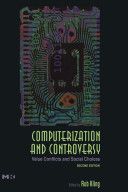
The Second Edition of Computerization and Controversy: Value Conflicts and Social Choices is a collection of 78 articles that examine the social aspects of computerization from a variety of perspectives, many presenting important viewpoints not often discussed in the conventional literature. A number of paired articles comprise thought-provoking head-on debate. Fields represented include computer science, information systems, management, journalism, psychology, law, library science, and sociology.This volume introduces some of the major controversies surrounding the computerization of society and helps readers recognize the social processes that drive and shape computerization.Division into eight provocatively titled sections facilitates course planning for classroom or seminar use. A lead article for each section frames the major controversies, locates the selections within the debates, and points to other relevant literature.Key Features* A fully revised and updated version of the first anthological treatment of the subject* Organized to facilitate course planning for classroom or seminar use* Provides coverage of the influence of computers on a wide variety of fields including computer science, information systems, management, journalism, psychology, law, library science, and sociology* Includes discussion of the following issues related to computerization:* Does computerization demonstrably improve the productivity of organizations?* Should computer systems be designed to empower workers?* Does electronic mail facilitate the formation of new communities, or does it undermine intimate interaction?* Is computerization likely to reduce privacy and personal freedom?
ما از اخلاق چه انتظاری داریم؟ این سوال شاید تاحدودی برای عموم مردم و یا متخصصان این رشته قابل پاسخ باشد؛ اینکه خوب بودن را به ما بیاموزد و در تنظیم روابط فردی م...

جشن کتاب تهران به ایستگاه سی و یکم رسیده است. حال و احوال نشر کتاب خوب نیست و باید فرهنگدوستان را به خرید و هدیه دادن کتاب ترغیب نمود. خانه اخلاقپژوهان جوان ب...

بنیاد کتابهای اخلاق اسلامی عمدتا پالایش جان از آلودگیها و آراستن آن به زیباییها است. اندیشه محوری این قبیل کتابها آن است که انسان فعلی آنی نیست که باید باشد...

-
0 Comments