Notice: تابع WP_Block_Type_Registry::register به طورنادرست فراخوانی شد. نامهای نوع بلوک نباید حروف بزرگ داشته باشند. لطفاً برای اطلاعات بیشتر، اشکال زدایی در وردپرس را مشاهده کنید. (این پیام در نگارش 5.0.0 افزوده شده است.) in /home/ethicsho/public_html/wp-includes/functions.php on line 5313
Warning: Use of undefined constant TDC_PATH_LEGACY - assumed 'TDC_PATH_LEGACY' (this will throw an Error in a future version of PHP) in /home/ethicsho/public_html/wp-content/plugins/td-composer/td-composer.php on line 109
Warning: Use of undefined constant TDSP_THEME_PATH - assumed 'TDSP_THEME_PATH' (this will throw an Error in a future version of PHP) in /home/ethicsho/public_html/wp-content/plugins/td-composer/td-composer.php on line 113 بایگانیهای Obscenity (Law) - United States - خانه اخلاق پژوهان جوان Notice: Trying to access array offset on value of type bool in /home/ethicsho/public_html/wp-content/plugins/wp-ulike/inc/general-functions.php on line 807
A paradox can be defined as an unacceptable conclusion derived by apparently acceptable reasoning from apparently acceptable premises. Many paradoxes raise serious philosophical problems, and they are associated with crises of thought and revolutionary advances. The expanded and revised third edition of this intriguing book considers a range of knotty paradoxes including Zeno’s paradoxical claim that the runner can never overtake the tortoise, a new chapter on paradoxes about morals, paradoxes about belief, and hardest of all, paradoxes about truth. The discussion uses a minimum of technicality but also grapples with complicated and difficult considerations, and is accompanied by helpful questions designed to engage the reader with the arguments. The result is not only an explanation of paradoxes but also an excellent introduction to philosophical thinking.
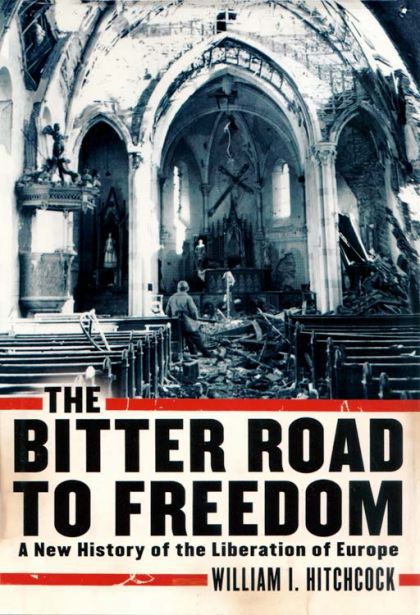
American s are justly proud of th e role their country played in liberating Europe from Nazi tyranny. For many years, we have celebrated the courage of Allied soldiers, sailors, and aircrews who defeated Hitler’s regime and restored freedom to the continent. But in recounting the heroism of the “greatest generation,” Americans often overlook the wartime experiences of European people themselves — the very people for whom the war was fought.In this brilliant new book, historian William I. Hitchcock surveys the European continent from D-Day to the final battles of the war and the first few months of the peace. Based on exhaustive research in five nations and dozens of archives, Hitchcock’s groundbreaking account shows that the liberation of Europe was both a military triumph and a human tragedy of epic proportions.Hitchcock gives voice to those who were on the receiving end of liberation, moving them from the edge of the story to the center. From France to Poland to Germany, from concentration-camp internees to refugees, farmers to shopkeepers, husbands and wives to children, the experience of liberation was often difficult and dangerous. Their gratitude was mixed with guilt or resentment. Their lives were difficult to reassemble.This strikingly original, multinational history of liberation brings to light the interactions of soldiers and civilians, the experiences of noncombatants, and the trauma of displacement and loss amid unprecedented destruction. This book recounts a surprising story, often jarring and uncomfortable, and one that has never been told with such richness and depth.Ranging from the ferocious battle for Normandy (where as many French civilians died on D-Day as U.S. servicemen) to the plains of Poland, from the icy ravines of the Ardennes to the shattered cities and refugee camps of occupied Germany, The Bitter Road to Freedom depicts in searing detail the shocking price that Europeans paid for their freedom.Today, with American soldiers once again waging wars of liberation in faraway lands, this book serves as a timely and sharp reminder of the terrible human toll exacted by even the most righteous of wars.
Looks at the moral questions raised about lying throughout history and then carefully examines the justifications offered for all kinds of lies in public and private life and looks at the consequences of lying for the individual and for society
In this eloquent collection of essays, Rebecca Martusewicz positions a philosophy of education that relies on what transpires between teachers and learners in various contexts. She thoughtfully analyzes how, in the relationship between teachers and learners, all kinds of ideas, beliefs, interpretations, and meanings are generated as a result of potent generative forces that depend, as she demonstrates using post-structuralist theories, on difference as their fuel. Ultimately she argues that to become educated requires an attention to the welfare of self and others and a willingness to confront and shift one’s own habits, practices, and beliefs for that purpose. This work contains: clear translations of post-structuralist theories such as those of Deleuze, Serres, and Derrida; well-written essays that blend good storytelling, theory, and ethical analysis to reconceptualize education as the means toward social justice; and a clear argument for the drawing together of analyses of difference introduced by post-structuralism with attention to ethics and social justice as they apply to education.
ما از اخلاق چه انتظاری داریم؟ این سوال شاید تاحدودی برای عموم مردم و یا متخصصان این رشته قابل پاسخ باشد؛ اینکه خوب بودن را به ما بیاموزد و در تنظیم روابط فردی م...

جشن کتاب تهران به ایستگاه سی و یکم رسیده است. حال و احوال نشر کتاب خوب نیست و باید فرهنگدوستان را به خرید و هدیه دادن کتاب ترغیب نمود. خانه اخلاقپژوهان جوان ب...

بنیاد کتابهای اخلاق اسلامی عمدتا پالایش جان از آلودگیها و آراستن آن به زیباییها است. اندیشه محوری این قبیل کتابها آن است که انسان فعلی آنی نیست که باید باشد...

-
0 Comments