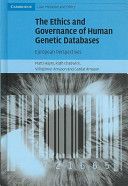
The Medical Biobank of UmeÃ¥ in Sweden, deCODE’s Health Sector Database in Iceland, the Estonian Genome Project and the UK Biobank contain health data and genetic data from large populations. Some include genealogical or lifestyle information. They are resources for research in human genetics and medicine, exploring interaction between genes, lifestyle, environmental factors and health and diseases. The collection, storage and use of this data raise ethical, legal and social issues. In this book, bioethics scholars examine whether existing ethical frameworks and social policies reflect people’s concerns, and how they may need to change in light of new scientific and technological developments. The ethical issues of social justice, genetic discrimination, informational privacy, trust in science and consent to participation in database research are analyzed, whilst an empirical survey, conducted in the four countries, demonstrates public views of privacy and related moral values in the context of human genetic databases.
Ayn Rand is well known for advocating egoism, but the substance of that egoisms instruction is rarely understood. Far from representing the rejection of morality, selfishness, in Rands view, actually demands the practice of a systematic code of ethics. This book explains the fundamental virtues that Rand considers vital for a person to achieve his objective well-being: rationality, honesty, independence, justice, integrity, productiveness, and pride. Tara Smith examines what each of these virtues consists in, why it is a virtue, and what it demands of a person in practice.
This volume provides a selection of the shorter writings of the great nineteenth-century moral philosopher Henry Sidgwick. Sidgwick’s monumental work The Methods of Ethics is a classic of philosophy, and this new volume is a fascinating complement to it. It will be a rich resource for anyone interested in moral philosophy or the development of modern analytical philosophy.
“In this fresh and comprehensive introduction to animal ethics, Lori Gruen weaves together poignant and provocative case studies with discussions of ethical theory, urging readers to engage critically and empathetically reflect on our treatment of other animals. In clear and accessible language, Gruen provides a survey of the issues central to human-animal relations and a reasoned new perspective on current key debates in the field. She analyses and explains a range of theoretical positions and poses challenging questions that directly encourage readers to hone their ethical reasoning skills and to develop a defensible position about their own practices. Her book will be an invaluable resource for students in a wide range of disciplines including ethics, environmental studies, veterinary science, women’s studies, and the emerging field of animal studies and is an engaging account of the subject for general readers with no prior background in philosophy”–
ما از اخلاق چه انتظاری داریم؟ این سوال شاید تاحدودی برای عموم مردم و یا متخصصان این رشته قابل پاسخ باشد؛ اینکه خوب بودن را به ما بیاموزد و در تنظیم روابط فردی م...

جشن کتاب تهران به ایستگاه سی و یکم رسیده است. حال و احوال نشر کتاب خوب نیست و باید فرهنگدوستان را به خرید و هدیه دادن کتاب ترغیب نمود. خانه اخلاقپژوهان جوان ب...

بنیاد کتابهای اخلاق اسلامی عمدتا پالایش جان از آلودگیها و آراستن آن به زیباییها است. اندیشه محوری این قبیل کتابها آن است که انسان فعلی آنی نیست که باید باشد...

-
0 Comments