
Notice: تابع WP_Block_Type_Registry::register به طورنادرست فراخوانی شد. نامهای نوع بلوک نباید حروف بزرگ داشته باشند. لطفاً برای اطلاعات بیشتر، اشکال زدایی در وردپرس را مشاهده کنید. (این پیام در نگارش 5.0.0 افزوده شده است.) in /home/ethicsho/public_html/wp-includes/functions.php on line 5313
Warning: Use of undefined constant TDC_PATH_LEGACY - assumed 'TDC_PATH_LEGACY' (this will throw an Error in a future version of PHP) in /home/ethicsho/public_html/wp-content/plugins/td-composer/td-composer.php on line 109
Warning: Use of undefined constant TDSP_THEME_PATH - assumed 'TDSP_THEME_PATH' (this will throw an Error in a future version of PHP) in /home/ethicsho/public_html/wp-content/plugins/td-composer/td-composer.php on line 113 بایگانیهای Literature And Morals - خانه اخلاق پژوهان جوان Notice: Trying to access array offset on value of type bool in /home/ethicsho/public_html/wp-content/plugins/wp-ulike/inc/general-functions.php on line 807
Academic perspectives on addictive behaviour usually come from clinical and scientific standpoints, rejecting the ‘moral model’. Cook reassesses the nature of addiction and considers the ethical challenges presented by alcohol use and misuse to both individuals and society, arguing that theology should not be excluded from serious discourse about addiction.
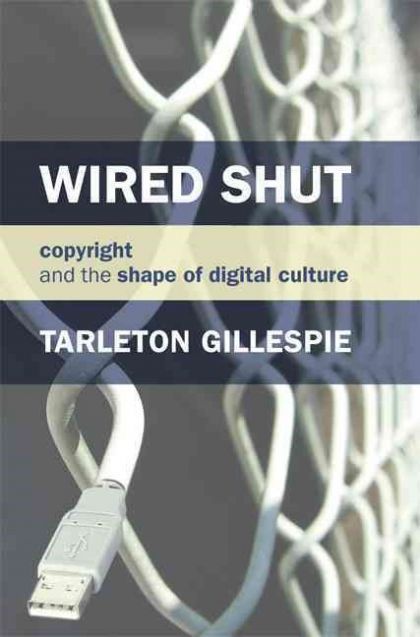
Winner, ICA 2009 Outstanding Book Award given by the International Communication Association. and Winner, 2009 CITASA Book Award given by the Communication and Information Technologies Section of the American Sociological AssociationWhile the public and the media have been distracted by the story of Napster, warnings about the evils of “piracy,” and lawsuits by the recording and film industries, the enforcement of copyright law in the digital world has quietly shifted from regulating copying to regulating the design of technology. Lawmakers and commercial interests are pursuing what might be called a technical fix: instead of specifying what can and cannot be done legally with a copyrighted work, this new approach calls for the strategic use of encryption technologies to build standards of copyright directly into digital devices so that some uses are possible and others rendered impossible. In Wired Shut, Tarleton Gillespie examines this shift to “technical copy protection” and its profound political, economic, and cultural implications.Gillespie reveals that the real story is not the technological controls themselves but the political, economic, and cultural arrangements being put in place to make them work. He shows that this approach to digital copyright depends on new kinds of alliances among content and technology industries, legislators, regulators, and the courts, and is changing the relationship between law and technology in the process. The film and music industries, he claims, are deploying copyright in order to funnel digital culture into increasingly commercial patterns that threaten to undermine the democratic potential of a network society.In this broad context, Gillespie examines three recent controversies over digital copyright: the failed effort to develop copy protection for portable music players with the Strategic Digital Music Initiative (SDMI); the encryption system used in DVDs, and the film industry’s legal response to the tools that challenged them; and the attempt by the FCC to mandate the “broadcast flag” copy protection system for digital television. In each, he argues that whether or not such technical constraints ever succeed, the political alignments required will profoundly shape the future of cultural expression in a digital age.
Despite the emergence of computer games as a dominant cultural industry (and the accompanying emergence of computer games as the subject of scholarly research), we know little or nothing about the ethics of computer games. Considerations of the morality of computer games seldom go beyond intermittent portrayals of them in the mass media as training devices for teenage serial killers. In this first scholarly exploration of the subject, Miguel Sicart addresses broader issues about the ethics of games, the ethics of playing the games, and the ethical responsibilities of game designers. He argues that computer games are ethical objects, that computer game players are ethical agents, and that the ethics of computer games should be seen as a complex network of responsibilities and moral duties. Players should not be considered passive amoral creatures; they reflect, relate, and create with ethical minds. The games they play are ethical systems, with rules that create gameworlds with values at play.Drawing on concepts from philosophy and game studies, Sicart proposes a framework for analyzing the ethics of computer games as both designed objects and player experiences. After presenting his core theoretical arguments and offering a general theory for understanding computer game ethics, Sicart offers case studies examining single-player games (using Bioshock as an example), multiplayer games (illustrated by Defcon), and online gameworlds (illustrated by World of Warcraft) from an ethical perspective. He explores issues raised by unethical content in computer games and its possible effect on players and offers a synthesis of design theory and ethics that could be used as both analytical tool and inspiration in the creation of ethical gameplay.
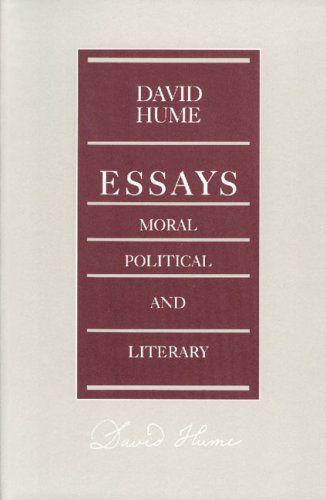
This edition contains the thirty-nine essays included in Essays, Moral, and Literary, that made up Volume I of the 1777 posthumous Essays and Treatises on Several Subjects. It also includes ten essays that were withdrawn or left unpublished by Hume for various reasons. The two most important were deemed too controversial for the religious climate of his time. This revised edition reflects changes based on further comparisons with eighteenth-century texts and an extensive reworking of the index.
ما از اخلاق چه انتظاری داریم؟ این سوال شاید تاحدودی برای عموم مردم و یا متخصصان این رشته قابل پاسخ باشد؛ اینکه خوب بودن را به ما بیاموزد و در تنظیم روابط فردی م...

جشن کتاب تهران به ایستگاه سی و یکم رسیده است. حال و احوال نشر کتاب خوب نیست و باید فرهنگدوستان را به خرید و هدیه دادن کتاب ترغیب نمود. خانه اخلاقپژوهان جوان ب...

بنیاد کتابهای اخلاق اسلامی عمدتا پالایش جان از آلودگیها و آراستن آن به زیباییها است. اندیشه محوری این قبیل کتابها آن است که انسان فعلی آنی نیست که باید باشد...

-
0 Comments