Notice: تابع WP_Block_Type_Registry::register به طورنادرست فراخوانی شد. نامهای نوع بلوک نباید حروف بزرگ داشته باشند. لطفاً برای اطلاعات بیشتر، اشکال زدایی در وردپرس را مشاهده کنید. (این پیام در نگارش 5.0.0 افزوده شده است.) in /home/ethicsho/public_html/wp-includes/functions.php on line 5313
Warning: Use of undefined constant TDC_PATH_LEGACY - assumed 'TDC_PATH_LEGACY' (this will throw an Error in a future version of PHP) in /home/ethicsho/public_html/wp-content/plugins/td-composer/td-composer.php on line 109
Warning: Use of undefined constant TDSP_THEME_PATH - assumed 'TDSP_THEME_PATH' (this will throw an Error in a future version of PHP) in /home/ethicsho/public_html/wp-content/plugins/td-composer/td-composer.php on line 113 بایگانیهای Justice - History - خانه اخلاق پژوهان جوان Notice: Trying to access array offset on value of type bool in /home/ethicsho/public_html/wp-content/plugins/wp-ulike/inc/general-functions.php on line 807
A CHOICE Outstanding Academic Title for 2009In the early 1880s, proponents of what came to be called “the social gospel” founded what is now known as social ethics. This ambitious and magisterial book describes the tradition of social ethics: one that began with the distinctly modern idea that Christianity has a social-ethical mission to transform the structures of society in the direction of social justice. Charts the story of social ethics – the idea that Christianity has a social-ethical mission to transform society – from its roots in the nineteenth century through to the present day Discusses and analyzes how different traditions of social ethics evolved in the realms of the academy, church, and general public Looks at the wide variety of individuals who have been prominent exponents of social ethics from academics and self-styled “public intellectuals” through to pastors and activists Set to become the definitive reference guide to the history and development of social ethics
Not just another media ethics book, this engaging and unconventional text breaks away from the usual practice of presenting the ethical theories of well-known philosophers in watered-down form. Instead, the contributors select a poem, movie, song, speech, or other cultural document, analyze it for implied or explicit ethical lessons, and then apply the lessons to a specific case that involved controversial media conduct.
On the basis of Dewey’s principles, Paul G. Woodford explores the social foundation of current music education practices in the context of democratic values of freedom, creativity, and contribution to society. He then critiques the means by which this ideal is learned by teachers and taught to students. Woodford concludes with recommendations for acknowledging democratic and non-democratic values in music teaching, teacher training, and performance, and suggests steps toward a “liberal” music education.
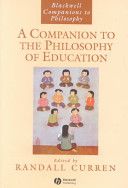
A Companion to the Philosophy of Education is a comprehensive guide to philosophical thinking about education. Offers a state-of-the-art account of current and controversial issues in education, including issues pertaining to multiculturalism, special education, sex education, and academic freedom. Written by an international team of leading experts, who are directly engaged with these profound and complex educational problems. Serves as an indispensable guide to the field of philosophy of education.
ما از اخلاق چه انتظاری داریم؟ این سوال شاید تاحدودی برای عموم مردم و یا متخصصان این رشته قابل پاسخ باشد؛ اینکه خوب بودن را به ما بیاموزد و در تنظیم روابط فردی م...

جشن کتاب تهران به ایستگاه سی و یکم رسیده است. حال و احوال نشر کتاب خوب نیست و باید فرهنگدوستان را به خرید و هدیه دادن کتاب ترغیب نمود. خانه اخلاقپژوهان جوان ب...

بنیاد کتابهای اخلاق اسلامی عمدتا پالایش جان از آلودگیها و آراستن آن به زیباییها است. اندیشه محوری این قبیل کتابها آن است که انسان فعلی آنی نیست که باید باشد...

-
0 Comments