Notice: تابع WP_Block_Type_Registry::register به طورنادرست فراخوانی شد. نامهای نوع بلوک نباید حروف بزرگ داشته باشند. لطفاً برای اطلاعات بیشتر، اشکال زدایی در وردپرس را مشاهده کنید. (این پیام در نگارش 5.0.0 افزوده شده است.) in /home/ethicsho/public_html/wp-includes/functions.php on line 5313
Warning: Use of undefined constant TDC_PATH_LEGACY - assumed 'TDC_PATH_LEGACY' (this will throw an Error in a future version of PHP) in /home/ethicsho/public_html/wp-content/plugins/td-composer/td-composer.php on line 109
Warning: Use of undefined constant TDSP_THEME_PATH - assumed 'TDSP_THEME_PATH' (this will throw an Error in a future version of PHP) in /home/ethicsho/public_html/wp-content/plugins/td-composer/td-composer.php on line 113 بایگانیهای Holocaust, Jewish (1939-1945) - خانه اخلاق پژوهان جوان Notice: Trying to access array offset on value of type bool in /home/ethicsho/public_html/wp-content/plugins/wp-ulike/inc/general-functions.php on line 807
This book offers a sophisticated analysis of central political concepts in the light of recent debates in political theory. It introduces readers to some of the main interpretations, pointing out their strengths and weaknesses, including a broad range of the main concepts used in contemporary debates on political theory. It tackles the principle concepts employed to justify any policy or institution and examines the main domestic purposes and functions of the state. It goes on to study the relationship between state and civil society and finally looks beyond the state to issues of global concern and inter-state relations.
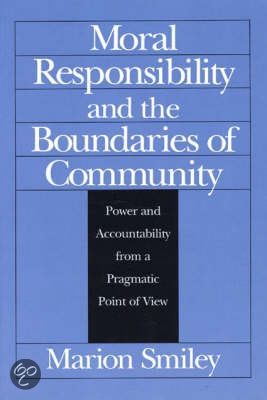
The question of responsibility plays a critical role not only in our attempts to resolve social and political problems, but in our very conceptions of what those problems are. Who, for example, is to blame for apartheid in South Africa? Is the South African government responsible? What about multinational corporations that do business there? Will uncovering the “true facts of the matter” lead us to the right answer? In an argument both compelling and provocative, Marion Smiley demonstrates how attributions of blame–far from being based on an objective process of factual discovery–are instead judgments that we ourselves make on the basis of our own political and social points of view. She argues that our conception of responsibility is a singularly modern one that locates the source of blameworthiness in an individual’s free will. After exploring the flaws inherent in this conception, she shows how our judgments of blame evolve out of our configuration of social roles, our conception of communal boundaries, and the distribution of power upon which both are based. The great strength of Smiley’s study lies in the way in which it brings together both rigorous philosophical analysis and an appreciation of the dynamics of social and political practice. By developing a pragmatic conception of moral responsibility, this work illustrates both how moral philosophy can enhance our understanding of social and political practices and why reflection on these practices is necessary to the reconstruction of our moral concepts.
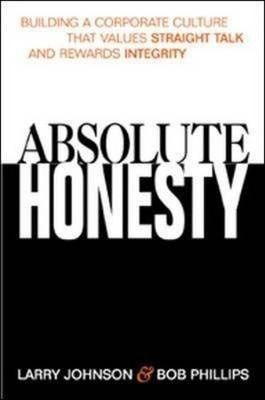
Dishonesty doesn’t pay, and in the wake of headlines involving the likes of Enron, WorldCom and Tyco, organizations need to establish ways of maintainingcultures where open, honest communication is the norm. Absolute Honesty demonstrates how readers can maintain an environment in which employees speak their mind without fearing reprisal, and truthfulness and accountabilityshow themselves for what they are: business assets.Demonstrates that cultivating a culture of honesty will help companies reap huge competitive benefitsContains a toolbox of strategies readers can use to improve their organizations’ ability to confront and resolve difficult issues.Uniquely structured around the Six Laws of Absolute Honesty, which readers can practice and encourage: “The Worst Truth Beats the Best Lie,” “Don’t Kill the Messenger,” “Use Constructive Confrontation,” and more. Covers provocative and sensitive issues such as dealing with a difficult or even dishonest boss, “agreeing to disagree,”and accepting criticism without becoming defensive.
ما از اخلاق چه انتظاری داریم؟ این سوال شاید تاحدودی برای عموم مردم و یا متخصصان این رشته قابل پاسخ باشد؛ اینکه خوب بودن را به ما بیاموزد و در تنظیم روابط فردی م...

جشن کتاب تهران به ایستگاه سی و یکم رسیده است. حال و احوال نشر کتاب خوب نیست و باید فرهنگدوستان را به خرید و هدیه دادن کتاب ترغیب نمود. خانه اخلاقپژوهان جوان ب...

بنیاد کتابهای اخلاق اسلامی عمدتا پالایش جان از آلودگیها و آراستن آن به زیباییها است. اندیشه محوری این قبیل کتابها آن است که انسان فعلی آنی نیست که باید باشد...

-
0 Comments