
Notice: تابع WP_Block_Type_Registry::register به طورنادرست فراخوانی شد. نامهای نوع بلوک نباید حروف بزرگ داشته باشند. لطفاً برای اطلاعات بیشتر، اشکال زدایی در وردپرس را مشاهده کنید. (این پیام در نگارش 5.0.0 افزوده شده است.) in /home/ethicsho/public_html/wp-includes/functions.php on line 5313
Warning: Use of undefined constant TDC_PATH_LEGACY - assumed 'TDC_PATH_LEGACY' (this will throw an Error in a future version of PHP) in /home/ethicsho/public_html/wp-content/plugins/td-composer/td-composer.php on line 109
Warning: Use of undefined constant TDSP_THEME_PATH - assumed 'TDSP_THEME_PATH' (this will throw an Error in a future version of PHP) in /home/ethicsho/public_html/wp-content/plugins/td-composer/td-composer.php on line 113 بایگانیهای Ethics - History - خانه اخلاق پژوهان جوان Notice: Trying to access array offset on value of type bool in /home/ethicsho/public_html/wp-content/plugins/wp-ulike/inc/general-functions.php on line 807
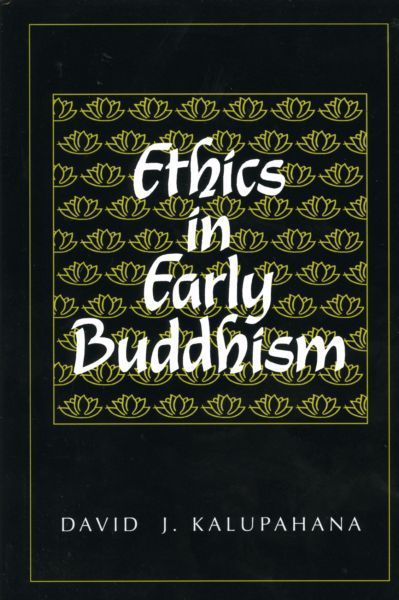
Throughout the centuries, moral philosophers, both Eastern and Western, considered a permanent and eternal law a necessary requirement for the formulation of a moral principle. If such a law was not empirically given, it had to be determined through reason. In contrast, early Buddhism presented a radical theory of impermanence.
This book reflects philosophically about the socio-political dimension of economics.Part I provides normative reflections on the economy: Section I reflects on the interconnections between the multiple discourses on the economy, section II presents Hegel’s claim that the economic order is an ethical institution and defends his ontological view of the economy against the one of Adam Smith. Section III dialogues with economists about their concepts of public and merit goods. This section defends a Hegelian ontology of the economy through an analysis of technical concepts used by economists. Part II provides applications derived from the normative analysis: Section I presents the views of authors in different academic disciplines pointing to failures in late capitalism, in particular failures of American capitalism and section II asks the question: ” What must one pay attention to in a transition from a command economy to a free market?”Section III draws attention to an overlap of ideas found in Catholic Social Thought and in the publications of some recent Nobel prize winners in economics (Buchanan, Sen, Stiglitz).
Moral Animals offers a brand new approach to moral theory. Drawing on anthropology, sociology, and evolutionary theory, as well as philosophy of language and philosophy of science, Catherine Wilson shows how to understand and reconcile our moral aspirations for a just world with the constraints human nature places on us. This ambitious book will spark fresh debates within philosophy and across the social sciences.
ما از اخلاق چه انتظاری داریم؟ این سوال شاید تاحدودی برای عموم مردم و یا متخصصان این رشته قابل پاسخ باشد؛ اینکه خوب بودن را به ما بیاموزد و در تنظیم روابط فردی م...

جشن کتاب تهران به ایستگاه سی و یکم رسیده است. حال و احوال نشر کتاب خوب نیست و باید فرهنگدوستان را به خرید و هدیه دادن کتاب ترغیب نمود. خانه اخلاقپژوهان جوان ب...

بنیاد کتابهای اخلاق اسلامی عمدتا پالایش جان از آلودگیها و آراستن آن به زیباییها است. اندیشه محوری این قبیل کتابها آن است که انسان فعلی آنی نیست که باید باشد...

-
0 Comments