Notice: تابع WP_Block_Type_Registry::register به طورنادرست فراخوانی شد. نامهای نوع بلوک نباید حروف بزرگ داشته باشند. لطفاً برای اطلاعات بیشتر، اشکال زدایی در وردپرس را مشاهده کنید. (این پیام در نگارش 5.0.0 افزوده شده است.) in /home/ethicsho/public_html/wp-includes/functions.php on line 5313
Warning: Use of undefined constant TDC_PATH_LEGACY - assumed 'TDC_PATH_LEGACY' (this will throw an Error in a future version of PHP) in /home/ethicsho/public_html/wp-content/plugins/td-composer/td-composer.php on line 109
Warning: Use of undefined constant TDSP_THEME_PATH - assumed 'TDSP_THEME_PATH' (this will throw an Error in a future version of PHP) in /home/ethicsho/public_html/wp-content/plugins/td-composer/td-composer.php on line 113 بایگانیهای Environmental Policy - خانه اخلاق پژوهان جوان Notice: Trying to access array offset on value of type bool in /home/ethicsho/public_html/wp-content/plugins/wp-ulike/inc/general-functions.php on line 807
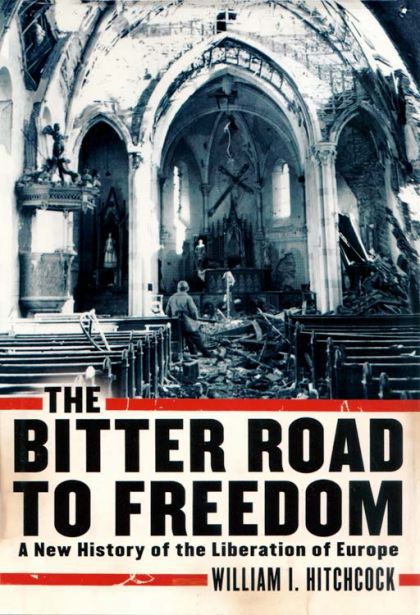
American s are justly proud of th e role their country played in liberating Europe from Nazi tyranny. For many years, we have celebrated the courage of Allied soldiers, sailors, and aircrews who defeated Hitler’s regime and restored freedom to the continent. But in recounting the heroism of the “greatest generation,” Americans often overlook the wartime experiences of European people themselves — the very people for whom the war was fought.In this brilliant new book, historian William I. Hitchcock surveys the European continent from D-Day to the final battles of the war and the first few months of the peace. Based on exhaustive research in five nations and dozens of archives, Hitchcock’s groundbreaking account shows that the liberation of Europe was both a military triumph and a human tragedy of epic proportions.Hitchcock gives voice to those who were on the receiving end of liberation, moving them from the edge of the story to the center. From France to Poland to Germany, from concentration-camp internees to refugees, farmers to shopkeepers, husbands and wives to children, the experience of liberation was often difficult and dangerous. Their gratitude was mixed with guilt or resentment. Their lives were difficult to reassemble.This strikingly original, multinational history of liberation brings to light the interactions of soldiers and civilians, the experiences of noncombatants, and the trauma of displacement and loss amid unprecedented destruction. This book recounts a surprising story, often jarring and uncomfortable, and one that has never been told with such richness and depth.Ranging from the ferocious battle for Normandy (where as many French civilians died on D-Day as U.S. servicemen) to the plains of Poland, from the icy ravines of the Ardennes to the shattered cities and refugee camps of occupied Germany, The Bitter Road to Freedom depicts in searing detail the shocking price that Europeans paid for their freedom.Today, with American soldiers once again waging wars of liberation in faraway lands, this book serves as a timely and sharp reminder of the terrible human toll exacted by even the most righteous of wars.
Based on a non-consequentialist ethical theory, this book critically examines the prevalent view that if a fetus has the moral standing of a person, it has a right to life and abortion is impermissible. Most discussion of abortion has assumed that this view is correct, and so has focused on the question of the personhood of the fetus. Kamm begins by considering in detail the permissibility of killing in non-abortion cases which are similar to abortion cases. She goes on to consider the case for the permissibility of abortion in many types of pregnancies, including ones resulting from rape, voluntary pregnancy, and pregnancy resulting from a voluntary sex act, even if the fetus is considered a person. This argument emerges as part of a broader theory of creating new people responsibly. Kamm explores the implications of this argument for informed consent to abortion; responsibilities in pregnancy that is not aborted, and the significance of extra-uterine gestation devices for the permissibility of abortion.
ما از اخلاق چه انتظاری داریم؟ این سوال شاید تاحدودی برای عموم مردم و یا متخصصان این رشته قابل پاسخ باشد؛ اینکه خوب بودن را به ما بیاموزد و در تنظیم روابط فردی م...

جشن کتاب تهران به ایستگاه سی و یکم رسیده است. حال و احوال نشر کتاب خوب نیست و باید فرهنگدوستان را به خرید و هدیه دادن کتاب ترغیب نمود. خانه اخلاقپژوهان جوان ب...

بنیاد کتابهای اخلاق اسلامی عمدتا پالایش جان از آلودگیها و آراستن آن به زیباییها است. اندیشه محوری این قبیل کتابها آن است که انسان فعلی آنی نیست که باید باشد...

-
0 Comments