Notice: تابع WP_Block_Type_Registry::register به طورنادرست فراخوانی شد. نامهای نوع بلوک نباید حروف بزرگ داشته باشند. لطفاً برای اطلاعات بیشتر، اشکال زدایی در وردپرس را مشاهده کنید. (این پیام در نگارش 5.0.0 افزوده شده است.) in /home/ethicsho/public_html/wp-includes/functions.php on line 5313
Warning: Use of undefined constant TDC_PATH_LEGACY - assumed 'TDC_PATH_LEGACY' (this will throw an Error in a future version of PHP) in /home/ethicsho/public_html/wp-content/plugins/td-composer/td-composer.php on line 109
Warning: Use of undefined constant TDSP_THEME_PATH - assumed 'TDSP_THEME_PATH' (this will throw an Error in a future version of PHP) in /home/ethicsho/public_html/wp-content/plugins/td-composer/td-composer.php on line 113 بایگانیهای Dementia - Religious Aspects - خانه اخلاق پژوهان جوان Notice: Trying to access array offset on value of type bool in /home/ethicsho/public_html/wp-content/plugins/wp-ulike/inc/general-functions.php on line 807
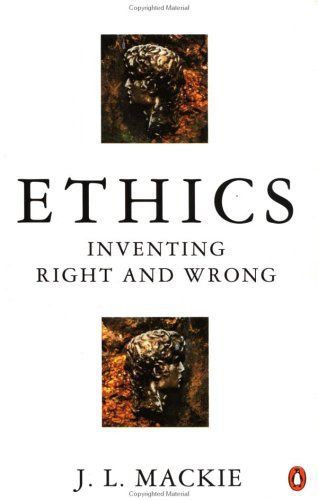
John Mackie’s stimulating book is a complete and clear treatise on moral theory. His writings on normative ethics-the moral principles he recommends-offer a fresh approach on a much neglected subject, and the work as a whole is undoubtedly a major contribution to modern philosophy.The author deals first with the status of ethics, arguing that there are not objective values, that morality cannot be discovered but must be made. He examines next the content of ethics, seeing morality as a functional device, basically the same at all times but changing significantly in response to changes in the human condition. He sketches a practical moral system, criticizing but also borrowing from both utilitarian and absolutist views. Thirdly, the frontiers of ethics, areas of contact with psychology, metaphysics, theology, law and politcs, are explored.Throughout, his aim is to discuss a wide range of questions that are both philosophical and practical, working within a distinctive version of subjectivism-an “error” theory of the apparent objectivity of values. John Mackie has drawn on the contributions of such classic thinkers as Plato, Aristotle, Hobbes, Hume, Kant and Sidgwick, and on more recent discussions, to produce a thought-provoking account that will inspire both the general reader and the student of philosophy.
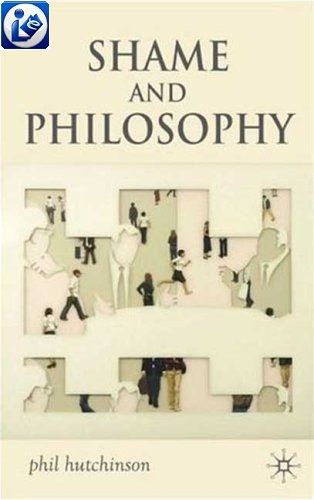
Engaging with current research in the philosophy of emotions, both analytic and continental, the author argues that reductionist accounts of emotions leave us in a state of poverty regarding our understanding of our world and of ourselves.
In 1972, the young philosopher Peter Singer published “Famine, Affluence and Morality,” which rapidly became one of the most widely discussed essays in applied ethics. Through this article, Singer presents his view that we have the same moral obligations to those far away as we do to those close to us. He argued that choosing not to send life-saving money to starving people on the other side of the earth is the moral equivalent of neglecting to save drowning children because we prefer not to muddy our shoes. If we can help, we must–and any excuse is hypocrisy. Singer’s extreme stand on our moral obligations to others became a powerful call to arms and continues to challenge people’s attitudes towards extreme poverty. Today, it remains a central touchstone for those who argue we should all help others more than we do. As Bill and Melinda Gates observe in their foreword, in the age of today’s global philanthropy, Singer’s essay is as relevant now as it ever was. This attractively packaged, concise edition collects the original article, two of Singer’s more recent popular writings on our obligations to others around the world, and a new introduction by Singer that discusses his current thinking.
ما از اخلاق چه انتظاری داریم؟ این سوال شاید تاحدودی برای عموم مردم و یا متخصصان این رشته قابل پاسخ باشد؛ اینکه خوب بودن را به ما بیاموزد و در تنظیم روابط فردی م...

جشن کتاب تهران به ایستگاه سی و یکم رسیده است. حال و احوال نشر کتاب خوب نیست و باید فرهنگدوستان را به خرید و هدیه دادن کتاب ترغیب نمود. خانه اخلاقپژوهان جوان ب...

بنیاد کتابهای اخلاق اسلامی عمدتا پالایش جان از آلودگیها و آراستن آن به زیباییها است. اندیشه محوری این قبیل کتابها آن است که انسان فعلی آنی نیست که باید باشد...

-
0 Comments