Notice: تابع WP_Block_Type_Registry::register به طورنادرست فراخوانی شد. نامهای نوع بلوک نباید حروف بزرگ داشته باشند. لطفاً برای اطلاعات بیشتر، اشکال زدایی در وردپرس را مشاهده کنید. (این پیام در نگارش 5.0.0 افزوده شده است.) in /home/ethicsho/public_html/wp-includes/functions.php on line 5313
Warning: Use of undefined constant TDC_PATH_LEGACY - assumed 'TDC_PATH_LEGACY' (this will throw an Error in a future version of PHP) in /home/ethicsho/public_html/wp-content/plugins/td-composer/td-composer.php on line 109
Warning: Use of undefined constant TDSP_THEME_PATH - assumed 'TDSP_THEME_PATH' (this will throw an Error in a future version of PHP) in /home/ethicsho/public_html/wp-content/plugins/td-composer/td-composer.php on line 113 بایگانیهای Data Protection - خانه اخلاق پژوهان جوان Notice: Trying to access array offset on value of type bool in /home/ethicsho/public_html/wp-content/plugins/wp-ulike/inc/general-functions.php on line 807
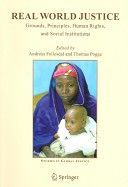
The concept of global justice makes visible how we citizens of affluent countries are potentially implicated in the horrors so many must endure in the so-called less developed countries.Distinct conceptions of global justice differ in their specific criteria of global justice. However, they agree that the touchstone is how well our global institutional order is doing, compared to its feasible alternatives, in regard to the fundamental human interests that matter from a moral point of view.We are responsible for global regimes such as the global trading system and the rules governing military interventions. These institutional arrangements affect human beings worldwide, for instance by shaping the options and incentives of governments and corporations. Alternative paths of globalization would have differed in how much violence, oppression, and extreme poverty they engender. And global institutional reforms could greatly enhance human rights fullfillment in the future.The importance of this global justice approach reaches well beyond philosophy. It helps ordinary citizens evaluate their options and their responsibility for global institutional factors, and it challenges social scientists to address the causes of poverty and hunger that act across borders.The present volume addresses four main topics regarding global justice: The normative grounds for claims regarding the global institutional order, the substantive normative principles for a legitimate global order, the roles of legal human rights standards, and some institutional arrangements that may make the present world order less unjust.All royalties from this book have been assigned to Oxfam.
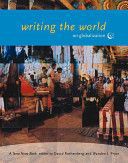
This collection of essays, memoirs, poems, stories, and artwork looks at globalization as a worldwide exchange of art and ideas. Writing the World focuses on the cultural realities of globalism—the opportunities it provides to learn from other cultures. This knowledge, argue David Rothenberg and Wandee Pryor in their introduction, can be power: “When all of us learn enough about our differences to respect the diversity that exists, we will be unable to pretend we are the same. We will never accept the old innocence and ignorance bred by oppression and exploitation.” For the contributors to Writing the World, to dream of the global village is to see the world not as a vast market but as a place of shared values and linked wonder.”It is time to listen to the many literate voices the world speaks,” say Rothenberg and Pryor. The voices of Writing the World range from Arundhati Roy on the “colonization of knowledge” in her essay “The Ladies Have Feelings, So… Shall We Leave It to the Experts?” to Naomi Klein’s meditation on fences, ownership, and property. They include Bill McKibben on women farmers in Bangladesh, Hannes Westberg’s account of being shot by Swedish police at a demonstration, James Barilla on invading and indigenous plant species in “The Aliens in the Garden,” and many other vivid, compelling, and provocative writings that celebrate—and illustrate—”the poetry of cultural contact.” Artists and photographers whose work appears in the book include Adam Clayman, Jenny Matthews, Richard Robinson, and Arpita Singh.
This book is written by leading international experts in Christian ethics and is aimed at students in upper-level undergraduate courses, at teachers and at graduate students. It will be useful as well to ministers and other professionals within the church. Its eighteen chapters provide a thorough introduction to Christian ethics that is both authoritative and up-to-date. All contributors have been chosen because they are significant scholars with a proven track record of balanced, comprehensive and comprehensible writing.
ما از اخلاق چه انتظاری داریم؟ این سوال شاید تاحدودی برای عموم مردم و یا متخصصان این رشته قابل پاسخ باشد؛ اینکه خوب بودن را به ما بیاموزد و در تنظیم روابط فردی م...

جشن کتاب تهران به ایستگاه سی و یکم رسیده است. حال و احوال نشر کتاب خوب نیست و باید فرهنگدوستان را به خرید و هدیه دادن کتاب ترغیب نمود. خانه اخلاقپژوهان جوان ب...

بنیاد کتابهای اخلاق اسلامی عمدتا پالایش جان از آلودگیها و آراستن آن به زیباییها است. اندیشه محوری این قبیل کتابها آن است که انسان فعلی آنی نیست که باید باشد...

-
0 Comments