
Notice: تابع WP_Block_Type_Registry::register به طورنادرست فراخوانی شد. نامهای نوع بلوک نباید حروف بزرگ داشته باشند. لطفاً برای اطلاعات بیشتر، اشکال زدایی در وردپرس را مشاهده کنید. (این پیام در نگارش 5.0.0 افزوده شده است.) in /home/ethicsho/public_html/wp-includes/functions.php on line 5313
Warning: Use of undefined constant TDC_PATH_LEGACY - assumed 'TDC_PATH_LEGACY' (this will throw an Error in a future version of PHP) in /home/ethicsho/public_html/wp-content/plugins/td-composer/td-composer.php on line 109
Warning: Use of undefined constant TDSP_THEME_PATH - assumed 'TDSP_THEME_PATH' (this will throw an Error in a future version of PHP) in /home/ethicsho/public_html/wp-content/plugins/td-composer/td-composer.php on line 113 بایگانیهای Clinical Medicine - خانه اخلاق پژوهان جوان Notice: Trying to access array offset on value of type bool in /home/ethicsho/public_html/wp-content/plugins/wp-ulike/inc/general-functions.php on line 807
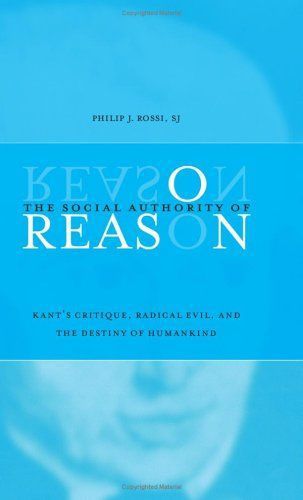
In “The Social Authority of Reason, Philip J. Rossi, SJ argues that the current cultural milieu of globalization is strikingly reflective of the human condition appraised by kant, in which mutual social interaction for human good is hamstrung by our contentious “unsociable sociability.” He situates the paradoxical nature of contemporary society–“its opportunities for deepening the bonds of our common human mutuality along with its potential for enlarging the fissures that arise from our human differences–“in the context of Kant’s notion of radical evil. As a corrective, Rossi proposes that we draw upon the social charcater of Kant’s critique of reason, which offers a communal trajectory for human moral effort and action. This trajectory still has power to open the path to what Kant called “the highest political good”–“lasting peace among nations.
The Philosophy of Death is a lively and engaging discussion of the basic philosophical issues concerning death, and a critical introduction to the relevant contemporary philosophical literature. It ranges over many questions about those who die, about the nature of death, and about the permissibility or otherwise of killing.
When does a person qualify for protected and continuing life? At a time when technology can sustain marginal life, it is ever more important to understand what constitutes a person. What are the medical, ethical, mental, legal, and philosophical criteria that determine protectable human life? By providing a much-needed religious/philosophical context for the discussion – examining contemporary thinking on just what constitutes valuable life – Walters broadens his inquiry beyond the human to include other animals and also deals with the phenomenon of anencephalic infants, those who are born without higher brains. Searching for a measurable and humane standard of personhood, Walters looks at its current definition and declares it inadequate. He offers instead the idea of proximate personhood, with criteria for helping to determine which individuals possess a unique claim to life.
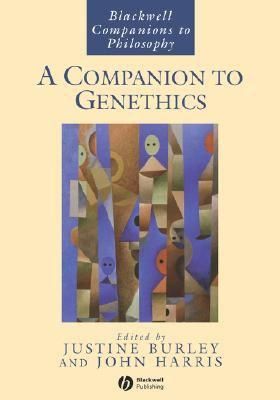
A Companion to Genethics is the first substantial study of the multifaceted dimensions of the genetic revolution and its philosophical, ethical, social and political significance.Brings together the best and most influential writing about the ethics of genetics; Includes 33 newly-commissioned essays, all written by prominent figures in the field; Shows how there is scarcely a part of our lives left unaffected by the impact of the new genetics.
ما از اخلاق چه انتظاری داریم؟ این سوال شاید تاحدودی برای عموم مردم و یا متخصصان این رشته قابل پاسخ باشد؛ اینکه خوب بودن را به ما بیاموزد و در تنظیم روابط فردی م...

جشن کتاب تهران به ایستگاه سی و یکم رسیده است. حال و احوال نشر کتاب خوب نیست و باید فرهنگدوستان را به خرید و هدیه دادن کتاب ترغیب نمود. خانه اخلاقپژوهان جوان ب...

بنیاد کتابهای اخلاق اسلامی عمدتا پالایش جان از آلودگیها و آراستن آن به زیباییها است. اندیشه محوری این قبیل کتابها آن است که انسان فعلی آنی نیست که باید باشد...

-
0 Comments