Notice: تابع WP_Block_Type_Registry::register به طورنادرست فراخوانی شد. نامهای نوع بلوک نباید حروف بزرگ داشته باشند. لطفاً برای اطلاعات بیشتر، اشکال زدایی در وردپرس را مشاهده کنید. (این پیام در نگارش 5.0.0 افزوده شده است.) in /home/ethicsho/public_html/wp-includes/functions.php on line 5313
Warning: Use of undefined constant TDC_PATH_LEGACY - assumed 'TDC_PATH_LEGACY' (this will throw an Error in a future version of PHP) in /home/ethicsho/public_html/wp-content/plugins/td-composer/td-composer.php on line 109
Warning: Use of undefined constant TDSP_THEME_PATH - assumed 'TDSP_THEME_PATH' (this will throw an Error in a future version of PHP) in /home/ethicsho/public_html/wp-content/plugins/td-composer/td-composer.php on line 113 بایگانیهای Capitalism - Social Aspects - خانه اخلاق پژوهان جوان Notice: Trying to access array offset on value of type bool in /home/ethicsho/public_html/wp-content/plugins/wp-ulike/inc/general-functions.php on line 807
Integrating concepts from multiple theoretical disciplines and detailed analyses of the evolution of Internet-related innovations (including computer networking, the World Wide Web and the Linux open source operating system), this book develops foundations for a new theoretical and practical understanding of innovation. It covers topics ranging from fashion to history of art, and includes the most detailed analysis of the open source development model so far published.
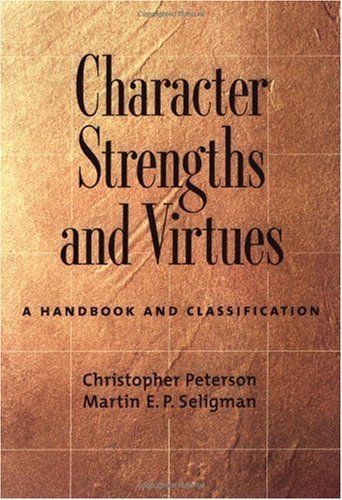
“Character” has become a front-and-center topic in contemporary discourse, but this term does not have a fixed meaning. Character may be simply defined by what someone does not do, but a more active and thorough definition is necessary, one that addresses certain vital questions. Is character a singular characteristic of an individual, or is it composed of different aspects? Does character–however we define it–exist in degrees, or is it simply something one happens to have? How can character be developed? Can it be learned? Relatedly, can it be taught, and who might be the most effective teacher? What roles are played by family, schools, the media, religion, and the larger culture? This groundbreaking handbook of character strengths and virtues is the first progress report from a prestigious group of researchers who have undertaken the systematic classification and measurement of widely valued positive traits. They approach good character in terms of separate strengths-authenticity, persistence, kindness, gratitude, hope, humor, and so on-each of which exists in degrees. Character Strengths and Virtues classifies twenty-four specific strengths under six broad virtues that consistently emerge across history and culture: wisdom, courage, humanity, justice, temperance, and transcendence. Each strength is thoroughly examined in its own chapter, with special attention to its meaning, explanation, measurement, causes, correlates, consequences, and development across the life span, as well as to strategies for its deliberate cultivation. This book demands the attention of anyone interested in psychology and what it can teach about the good life.
“Thoreau’s Living Ethics is the first full, rigorous account of Henry Thoreau’s ethical philosophy. Focused on “Walden but ranging widely across his writings, the study situates Thoreau within a long tradition of ethical thinking in the West, from the ancients to the romantics and on to the present day. Philip Cafaro shows Thoreau grappling with important ethical questions that agitated his own society and discusses his value for those seeking to understand contemporary ethical issues. Cafaro’s particular interest is in Thoreau’s treatment of virtue ethics: the branch of ethics centered on personal and social flourishing. Ranging across the central elements of Thoreau’s philosophy–life, virtue, economy, solitude and society, nature, and politics–Cafaro shows Thoreau developing a comprehensive virtue ethics, less based in ancient philosophy than many recent efforts and more grounded in modern life and experience. He presents Thoreau’s evolutionary, experimental ethics as superior to the more static foundational efforts of current virtue ethicists. Another main focus is Thoreau’s environmental ethics. The book shows Thoreau not only anticipating recent arguments for wild nature’s intrinsic value, but also demonstrating how a personal connection to nature furthers self-development, moral character, knowledge, and creativity. Thoreau’s life and writings, argues Cafaro, present a positive, life-affirming environmental ethics, combining respect and restraint with an appreciation for human possibilities for flourishing within nature.
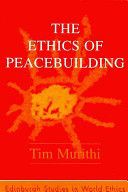
In the aftermath of the Cold War the hope for a more stable and just international order rapidly dissolved underneath the pressure of internecine conflicts raging on all continents.The Rwanda and Srebrenica genocides especially proved that promoting peace is a particularly fraught challenge in the face of intra-state conflict and sub-national groups that boldy confront nation-states.Tim Murithi investigates the role that ethics plays in promoting and consolidating peacebuilding, synthesizing the fields of moral philosophy and international relations through an analysis of the ethics of negotiation, mediation, forgiveness, and reconciliation. In its exploration of the extent to which ethical concerns influence and inform peacebuilding, this book contributes to a growing body of literature on ethics and international relations that enable students, scholars, and practitioners to contextualize their understanding of a principled peacebuilding.
ما از اخلاق چه انتظاری داریم؟ این سوال شاید تاحدودی برای عموم مردم و یا متخصصان این رشته قابل پاسخ باشد؛ اینکه خوب بودن را به ما بیاموزد و در تنظیم روابط فردی م...

جشن کتاب تهران به ایستگاه سی و یکم رسیده است. حال و احوال نشر کتاب خوب نیست و باید فرهنگدوستان را به خرید و هدیه دادن کتاب ترغیب نمود. خانه اخلاقپژوهان جوان ب...

بنیاد کتابهای اخلاق اسلامی عمدتا پالایش جان از آلودگیها و آراستن آن به زیباییها است. اندیشه محوری این قبیل کتابها آن است که انسان فعلی آنی نیست که باید باشد...

-
0 Comments